
WestJet Plans Winnipeg Hangar for Boeing 737 MAX 10
WestJet intends to build a 73,000-square-foot, two-aircraft maintenance hangar in Winnipeg, designed for the Boeing 737 MAX 10. The project targets late 2028 but still needs board and regulatory approvals.
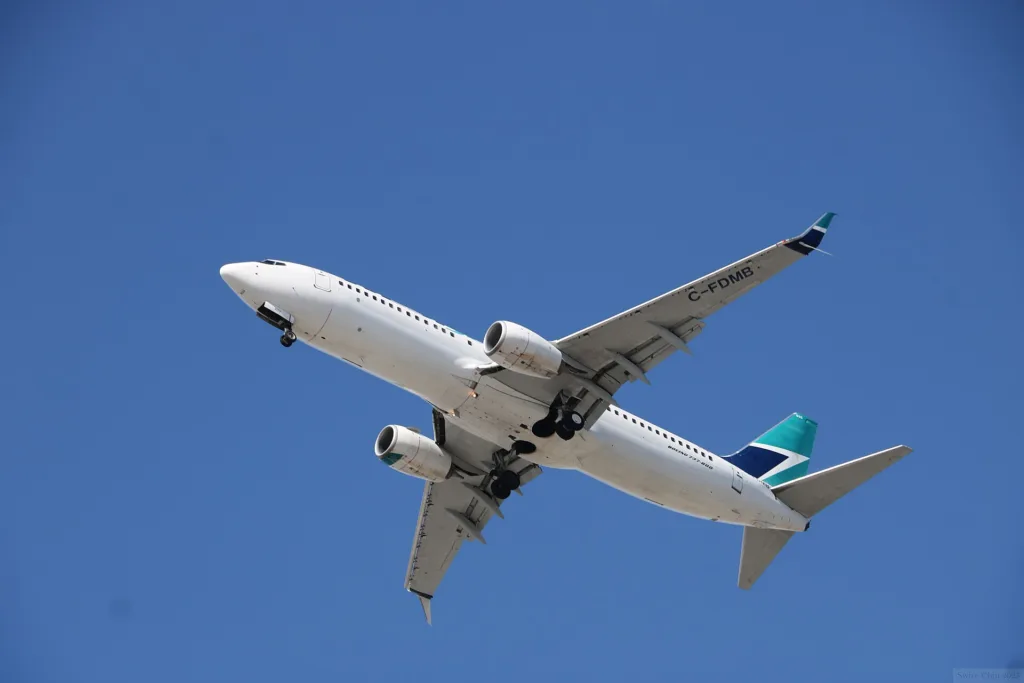
WestJet plans a 73,000-square-foot maintenance hangar in Winnipeg to support its expanding fleet, including the Boeing 737 MAX 10. The proposed building would accommodate two jets and could support up to 42 aircraft based at the airport. WestJet and Winnipeg Airports Authority announced the project on November 4, 2026. Construction still depends on corporate and regulatory approvals.
WestJet targets a two-aircraft maintenance hangar at Winnipeg
In their November 4 announcement, WestJet and Winnipeg Airports Authority said the airline intends to anchor the new AirLink Business Park. The proposed hangar would occupy more than nine acres west of Winnipeg Richardson International Airport’s existing campus.
With 73,000 square feet of floor space, the building would handle two aircraft at a time. It is designed for the Boeing 737 MAX 10, the largest 737 MAX variant. That requires suitable clearances for the jet’s dimensions, maintenance access and equipment.
A local hangar could reduce the need to send aircraft elsewhere for some maintenance work. It could also support Winnipeg as a larger base for WestJet. However, the airline has not quantified any savings from the planned site.
Hangar remains conditional despite late-2028 target
WestJet is targeting completion in late 2028. Yet the company still needs to finalize the project and secure board approval, permits and regulatory clearances. The announcement does not establish a construction start date.
Once operating, the facility could support up to 42 narrowbody aircraft based in Winnipeg, the partners said. They also expect hundreds of jobs, although they did not provide a final headcount. These are projected benefits, not existing positions created by the announcement.
For Winnipeg, additional aircraft maintenance could mean more skilled technical employment and business for local suppliers. Actual hiring will depend on the project’s approval and eventual scale.
AirLink development has C$32 million in announced support
Winnipeg Airports Authority has allocated C$17 million to the first phase of AirLink Business Park. The Canadian federal government committed C$10 million, while Manitoba added C$5 million. Together, those contributions total C$32 million.
Importantly, the money supports the wider development’s first phase. The partners did not identify C$32 million as the construction cost of WestJet’s own hangar. Treating those figures as the hangar’s price would overstate what has been disclosed.
The business park sits on airport land earmarked for commercial development. Its supporting infrastructure could make the site attractive to aviation service providers beyond WestJet, although no additional tenants were confirmed in the announcement.
Boeing 737 MAX 10 shapes WestJet’s maintenance plans
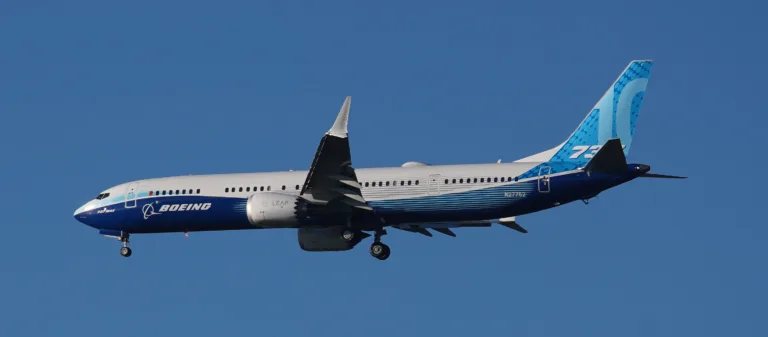
The planned building would accommodate the Boeing 737 MAX 10. WestJet said it expects to be the aircraft’s global launch customer. That explains why the largest MAX variant is central to the proposed hangar design.
The building could also service other narrowbody aircraft once operational. Still, a hangar designed for the MAX 10 does not establish when individual jets will arrive or enter service at Winnipeg.
AeroSillage previously covered the FAA’s certification decision for the Boeing 737 MAX 10. That regulatory milestone is separate from WestJet’s Winnipeg infrastructure proposal.
What the Winnipeg project changes for travelers
The announcement does not introduce a new passenger route or an immediate change to WestJet’s schedule. Its direct significance is fleet maintenance, airport investment and the potential to base more aircraft in Manitoba.
For travelers, more maintenance capacity could help the airline manage its Winnipeg operation over time. However, WestJet has not published a forecast for improved punctuality or additional flights tied to this hangar.
Before construction proceeds, the airline must complete approvals and Winnipeg Airports Authority must advance AirLink’s infrastructure. Separately, AeroSillage has reported on Porter Airlines’ Canadian route expansion, which concerns passenger services rather than maintenance facilities.
Read next
JOIN THE CONVERSATION
Let’s discuss this story.
A question, a clarification or a different perspective? Share it with us.