
Ryanair plans to double Baltic traffic by 2031
Ryanair is proposing a $1.6bn Baltic expansion to reach 11 million annual seats and 16 based aircraft by 2031.
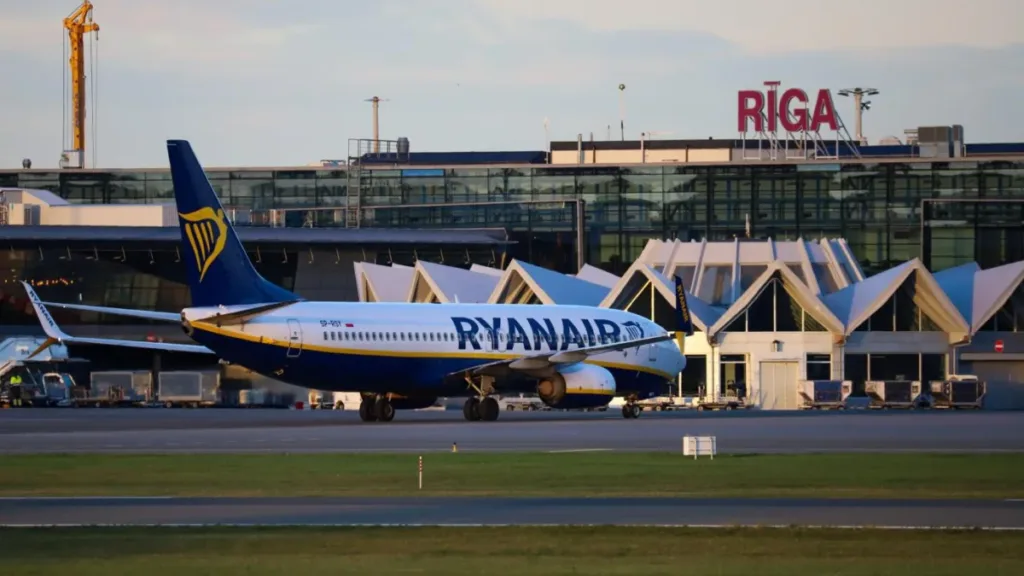
Ryanair sees an opportunity to reshape the Baltic air-travel market as airBaltic contracts. But its proposed $1.6 billion expansion, announced on 17 September 2026, is not simply a timetable of aircraft deliveries and route launches: it is also a negotiation over what airlines must pay to operate from airports in Estonia, Latvia and Lithuania. The announcement comes shortly after airBaltic entered Chapter 11 protection in the United States and while the Latvian carrier is preparing a substantial fleet reduction.
Ryanair says it could offer up to 11 million seats a year across the Baltic states by 2031. The airline also wants to increase the number of aircraft based in the region from seven to 16. It presents the plan as a potential $1.6 billion investment that could support new routes and several thousand direct and indirect jobs.
The pace and scale of the expansion will depend on airport and government cost conditions. Ryanair is pressing in particular for lower aviation taxes and airport charges.
Riga gains capacity while Tallinn and Vilnius lose some
For winter 2026, Ryanair plans two based aircraft in Riga, 16 routes and a 6% capacity increase, equivalent to roughly 40,000 additional seats. Ten routes are set to receive more frequencies, including Alicante, Barcelona and Milan Bergamo.
By contrast, the carrier says it will cut winter capacity in Estonia and Lithuania by 25%, or around 550,000 seats, and redeploy aircraft to markets it considers more competitive, including Poland, Slovakia, Italy and Sweden.
The move comes as airBaltic undertakes a major restructuring. The Latvian airline, currently under Chapter 11 protection, plans to reduce its fleet from 54 to 36 aircraft by the end of 2026. Ryanair has made clear that it sees an opportunity to strengthen its position as airBaltic contracts.
For passengers, the near-term picture is not an across-the-board expansion. Riga may gain flights and frequencies while Tallinn and Vilnius face a cut in Ryanair capacity. Lower fares and more choice in one market can therefore coincide with fewer options in another. The proposal marks a potentially significant shift in the Baltic aviation market. It is not, however, a fully committed investment yet: Ryanair says the growth plan depends on the future cost of access to each market.
Sources: Ryanair, 17 September 2026; Reuters, 17 September 2026.
Related: Ryanair trims traffic target as fuel prices rise, for wider context on the airline’s growth strategy and constraints.
Read next

JOIN THE CONVERSATION
Let’s discuss this story.
A question, a clarification or a different perspective? Share it with us.