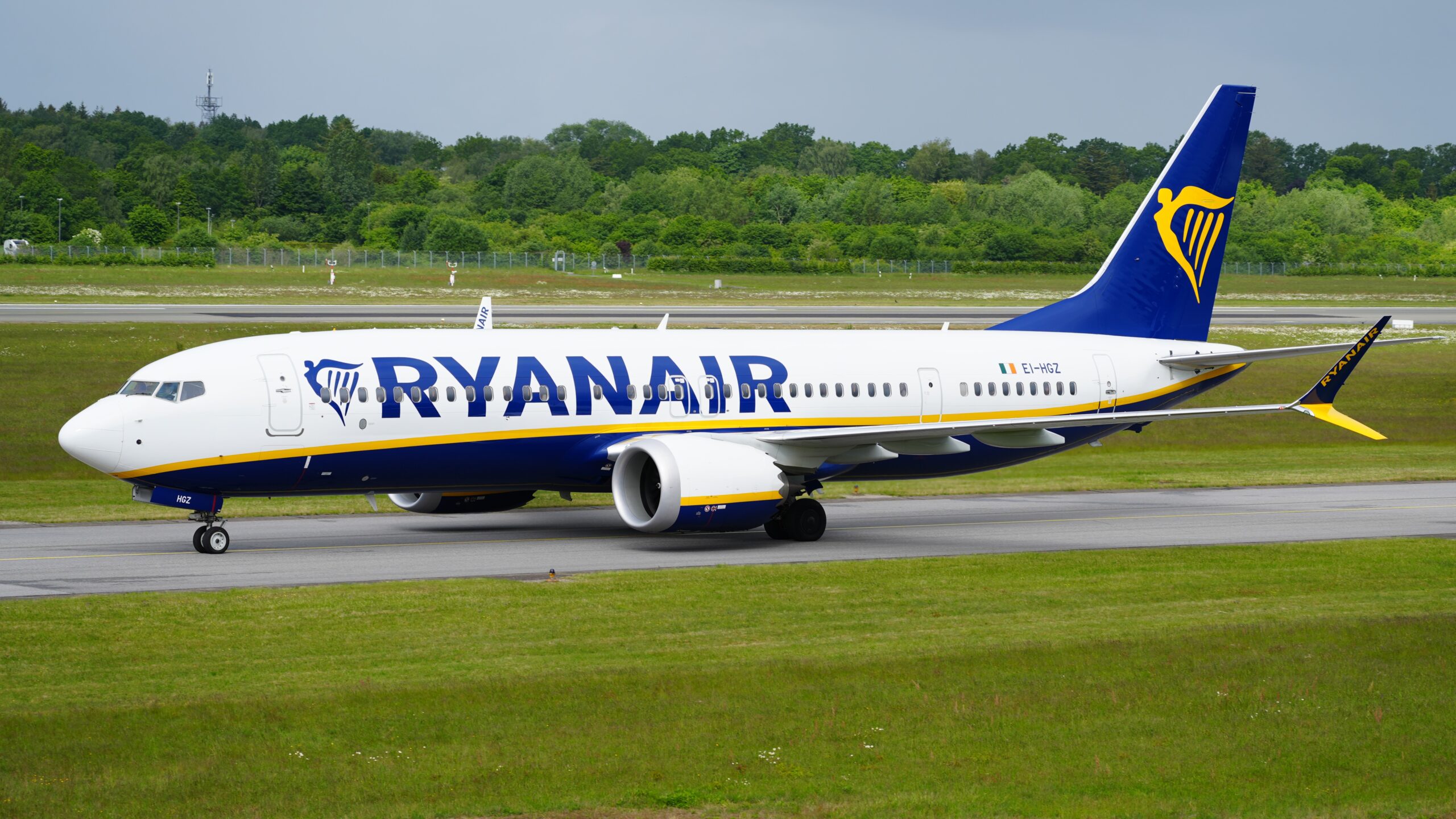
Ryanair’s decision to trim its fiscal 2027 traffic target from 216 million to 214 million passengers is a small numerical change with a much bigger financial message: growth is being subordinated to margin discipline as fuel risk rises.
The airline is not retreating from its long-term expansion plan. Instead, it is using capacity as a financial control lever while a portion of future jet-fuel needs remains exposed to market prices.
Hedging explains why the cut is tactical
Reuters reported that Ryanair had hedged about 80% of its fuel requirements through March 2027 at roughly $67 a barrel. That protection limits the immediate impact of higher fuel prices, but the uncovered share still matters when an airline operates at Ryanair’s scale.
The traffic cut therefore reduces exposure where the marginal economics are weakest rather than signalling a collapse in demand.
Capacity discipline is central to the low-cost model
Ryanair’s advantage is not simply low fares. It is the ability to move aircraft between bases, withdraw from airports where charges rise and reallocate capacity toward markets with better returns.
That flexibility means the airline can defend margins more aggressively than carriers tied to complex hub structures or less mobile fleets.
Why two million passengers can still matter
At more than 200 million passengers a year, even a one-percentage-point change in traffic can represent a substantial amount of flying, fuel, airport charges and crew cost.
Reducing growth slightly can therefore protect cash generation without materially changing the group’s strategic trajectory.
The fare question depends on the whole market
Ryanair cutting winter capacity does not automatically translate into higher fares. The impact depends on whether rivals also reduce supply and whether fuel remains expensive.
If several airlines become more conservative at the same time, price pressure can rise on routes where demand stays firm and seat supply tightens.
What investors and competitors will watch
The key indicators are Ryanair’s average fares, load factors, fuel-hedging position and how quickly capacity is shifted between airports. Those metrics will reveal whether the airline is preserving profitability without sacrificing too much market share.
AeroSillage view: Ryanair is showing that scale does not eliminate discipline. In a volatile cost environment, the ability to grow less can be as valuable as the ability to grow fast.
Related: British Airways, easyJet and Ryanair put NATS under pressure.
Sources
Reuters, September 2, 2026; Ryanair public guidance and traffic targets.

Leave a Reply