
Russia Proposes Keeping Disputed Leased Jets Until 2028
Russia proposes extending its special operating rules for disputed foreign-leased aircraft to 2028. About 203 lessor claims remained unresolved at end-2025.
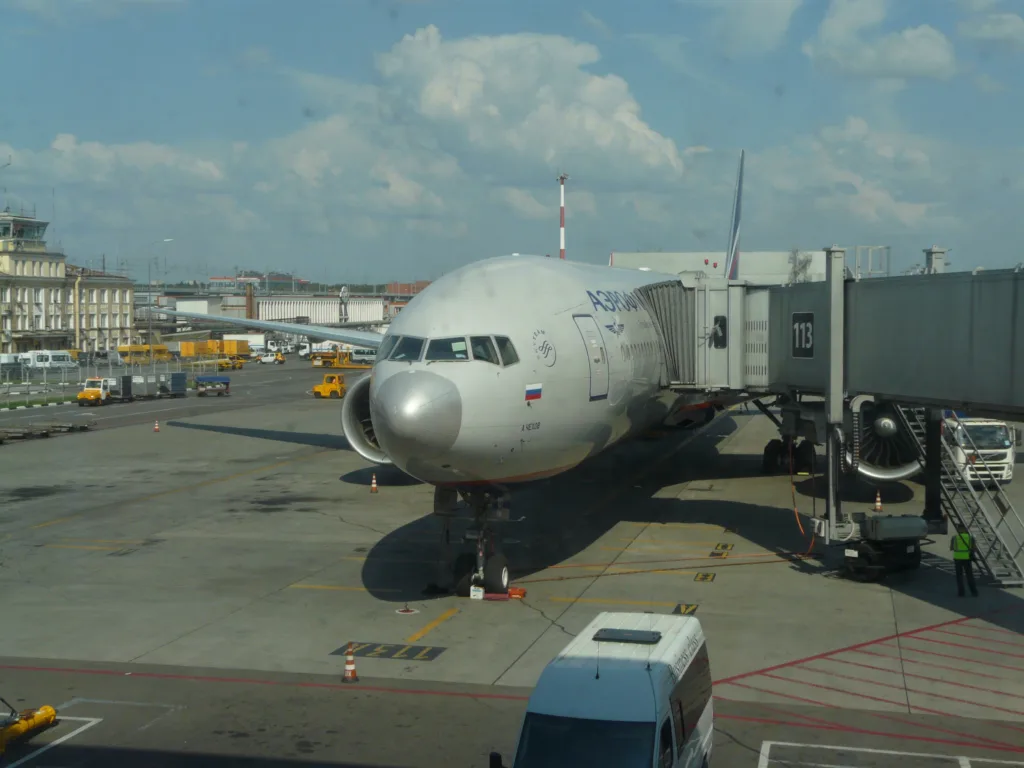
Russia wants to keep disputed foreign-leased aircraft operating under special domestic rules until the end of 2028. The proposal would extend a regime introduced after the 2022 invasion of Ukraine. Meanwhile, claims associated with roughly 203 aircraft remained unresolved at the end of 2025, according to figures reported by Vedomosti on November 6, 2026. However, the government has not approved the extension.
How the figure of 203 disputed aircraft was calculated
According to Vedomosti, Russian airlines leased 515 aircraft from foreign companies before the February 2022 invasion. The fleet was then estimated to be worth approximately $10 billion. Some aircraft were returned, detained abroad or later acquired under negotiated arrangements.
Of 407 aircraft that remained in Russia, claims concerning 204 were settled between 2022 and 2025, Vedomosti reported. Subtracting those settlements leaves 203 aircraft with unresolved claims at the end of that period. However, this is a historical calculation, not a verified aircraft-by-aircraft inventory as of November 2026.
Most affected foreign-built aircraft include Airbus and Boeing models. The dispute concerns ownership and leasing contracts with outside finance companies, not 203 jets owned directly by the manufacturers. Likewise, a settled insurance claim does not necessarily mean an aircraft physically returned to its original lessor.
What Russia wants to extend until December 2028
The proposed amendment concerns Russian Government Resolution No. 412, adopted in March 2022. It allows airlines to retain and operate certain foreign-leased aircraft under Russian rules after Western lessors demanded their return. The regime also permits domestic insurance and maintenance arrangements.
Vedomosti says it reviewed the draft decree, which would move the regime’s expiration from December 31, 2026, to December 31, 2028. The draft was circulated for industry comment. According to AeroTime, the Association of Air Transport Operators asked airlines to respond by November 17.
That timetable is a consultation step, not proof of government approval. Therefore, airlines and lessors still face uncertainty about the final rules. An extension would also not settle underlying ownership claims or restore the prewar relationships with aircraft suppliers.
Foreign lessors have pursued insurance and court claims
Western aircraft leasing companies sought to recover their jets after sanctions and contract terminations in 2022. The High Court of England and Wales addressed those aircraft losses in June 2025. Its judgment examined Russian government measures, aircraft retained by local operators and competing insurance claims.
Separately, the European Commission’s aviation sanctions guidance explains restrictions on transactions involving aircraft remaining in Russia against their owners’ wishes. These international rules differ from Russia’s domestic framework for continued operation.
For lessors, the practical consequences include insurance recoveries, disputed ownership and aircraft that cannot readily be repossessed. Airlines, meanwhile, face uncertainty over long-term financing and maintenance access. However, the reported 203 unresolved claims must not be described as 203 newly seized aircraft in November.
Operating the jets remains a separate technical challenge
The proposal concerns operating permission under Russian domestic rules. It does not constitute certification by the aircraft manufacturers. Western sanctions also restrict parts, maintenance services and other support. As a result, keeping the retained fleet airworthy poses a separate operational challenge from resolving its ownership.
Russia has sought domestic replacements, but new aircraft programs face certification and production hurdles. In related coverage, AeroSillage examined Russia’s aircraft capacity problems and interest in Vietnamese wet leases. That story concerns fleet availability rather than the specific 2028 legal extension.
Another AeroSillage report covered a separate aircraft-leasing lawsuit involving six Airbus jets. It illustrates the financial importance of lease disputes but does not establish the outcome of claims involving Russia.
Two questions now determine what happens next: whether the Russian government adopts the extension and how many remaining lessor claims are resolved in new settlements. Until those decisions are documented, 203 remains a historical estimate and the 2028 expiry remains a proposal.
Read next
JOIN THE CONVERSATION
Let’s discuss this story.
A question, a clarification or a different perspective? Share it with us.