
Airbus sees demand for 1,800 new jets in Türkiye by 2045
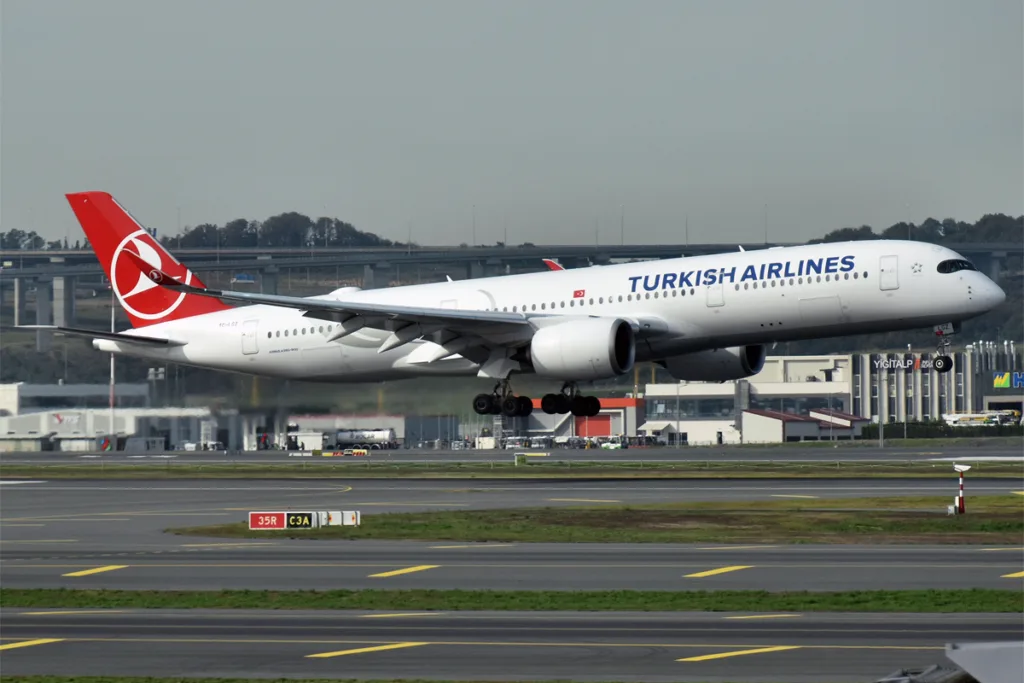
Airbus says Türkiye could need 1,800 new aircraft by 2045. That is a forecast for a market, not a firm order from Turkish airlines. The estimate released on 15 October combines replacement of existing fleets with anticipated passenger growth and highlights Istanbul’s ambition to remain a major transfer point between continents.
According to figures cited by Reuters, Airbus expects passenger traffic in Türkiye to expand by an average of 4.5% a year, compared with 2.9% across the wider Europe–Commonwealth of Independent States region. Annual flights per resident could triple to around 3.1 by 2045. These are long-term projections subject to economic and operational uncertainty.
The Turkish market would account for roughly 20% of projected aircraft demand across that region. Airbus estimates a total of 8,190 new jets for Europe and the CIS, including about 3,600 for growth and 4,590 to replace older aircraft. Those figures should not be mistaken for signed contracts, confirmed production slots or delivery promises.
Türkiye’s aviation model combines different sources of traffic. Turkish Airlines uses Istanbul to connect long-haul and regional markets, while Pegasus offers a separate lower-fare network proposition. Domestic travel and tourism contribute alongside transfer passengers linking Europe, Asia and Africa. Hub economics depend on aggregating those passenger streams, allowing airlines to sustain services that local demand alone might not justify.
Aircraft are only half of a hub’s growth story. Runway capacity, terminal design, slots, baggage systems, ground staff and air traffic control all need to keep pace. Airlines also need crews and maintenance capabilities, while manufacturers must actually deliver the jets on which expansion plans depend. A fleet forecast cannot overcome a physical bottleneck at an airport.
Airbus argues that disruption in the Middle East has helped shift some traffic flows towards Turkish hubs. That may affect short-term competitive positions, but it would be misleading to treat a changing security situation as the sole explanation for demand projected twenty years ahead. Routes and connections can move again as competing airports recover.
The 1,800-jet figure is best read as a measure of market opportunity. It shows how much weight Airbus gives Türkiye in the future of regional aviation, while reminding passengers and airlines that sustainable expansion is about networks and infrastructure as much as aircraft.
JOIN THE CONVERSATION
Let’s discuss this story.
A question, a clarification or a different perspective? Share it with us.