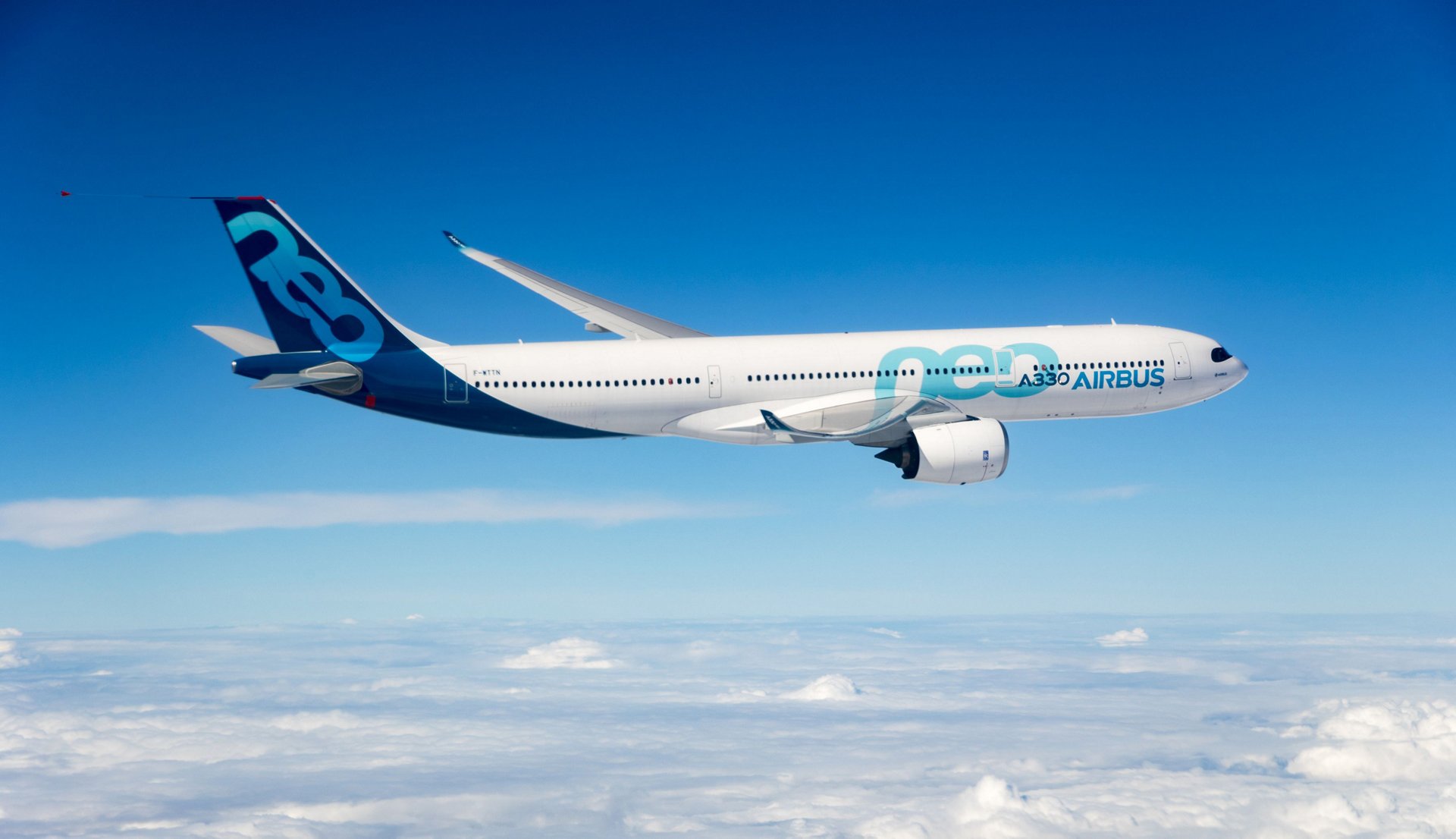
Avolon has announced agreements to buy 250 new-generation aircraft from Airbus and Boeing in one of the largest fleet-investment moves by an aircraft lessor this year. The Dublin-based company said on October 9, 2026 that it had agreed to acquire 140 Boeing 737 MAX aircraft, 75 Airbus A320neo-family narrowbodies and 35 A330-900 widebodies, plus options for another 100 Airbus jets. Beyond the headline number, the deal is an effort to secure future aircraft supply for airline customers.
Avolon’s official trading update splits the new commitments into 140 Boeing 737 MAX and 110 Airbus aircraft. The Airbus portion consists of 75 A320neo-family jets and 35 A330-900 aircraft. The specific 737 MAX subtypes and the mix of A320neo-family variants have not been fully disclosed, so neither the Boeing nor the Airbus narrowbody orders should be described as belonging to a single variant.
Avolon also negotiated options for 100 additional Airbus aircraft. They are not part of the 250 firm aircraft, and any future conversion into orders would be a separate milestone.
Why lessors are competing for production slots
As a leasing company, Avolon places aircraft with airline customers rather than operating a conventional scheduled route network of its own. Securing manufacturing positions years in advance gives its customers access to replacement and growth capacity at a time when airlines are managing delivery constraints, rising fleet age and pressure to improve operating efficiency.
The order also balances market segments. The 215 narrowbodies target the busy short- and medium-haul market, while 35 A330-900s add widebody availability for airlines planning longer routes. Airbus says Avolon’s cumulative A330-900 orders have reached 114 units, underscoring its position in the programme.
Boeing takes the larger share by aircraft count with 140 737 MAX jets, while Airbus secures 110 aircraft, including the more complex widebody component and another 100 possible orders through options. But the size of an order does not identify the carriers that will ultimately lease the airplanes. Avolon has not provided a complete customer-by-customer allocation or a comprehensive delivery timetable.
An aircraft lessor’s order does not translate directly into capacity on any particular airline route. Avolon must place the jets with customers according to replacement needs, financing conditions and delivery dates. That leasing process is distinct from the manufacturer’s firm order and will determine how the transaction affects actual airline fleets.
In its wider third-quarter update, the lessor reported acquiring 10 aircraft, selling 29, and completing 84 leasing transactions, amendments and extensions. These figures help explain the strategy: the company continues to recycle aircraft while building a future delivery pipeline.
One important condition remains
The orders remain conditional on approval by shareholders of Bohai Leasing, which owns 70% of Avolon. That approval is expected before the end of October 2026. Although the company describes the transactions as firm orders agreed with manufacturers, readers should not interpret the announcement as unconditional completion of every corporate approval.
Once incorporated, Avolon says its firm aircraft commitments rise to 749. No final contract value or individual airline placement schedule has been disclosed. Subsequent allocations and delivery dates will be important for understanding the order’s practical impact on airline fleets. For AeroSillage, this is the distinction that matters: securing manufacturing positions is not the same as putting aircraft into service. Airlines still need leasing agreements, fleet configurations and delivery arrangements. The effects on route launches, capacity and fares will only become clearer when specific operators and delivery windows are known.
Related coverage: Air Cairo’s Airbus A320neo fleet expansion. AeroSillage.
Sources: Avolon, October 9, 2026; Airbus, October 9, 2026.

Leave a Reply