
Copa Airlines 737 Hits UPS 767 at Miami; Two Treated
A Copa Airlines Boeing 737 clipped a UPS Boeing 767 while taxiing at Miami International Airport on November 14, 2026. Two people were treated for minor injuries, while airport operations continued.
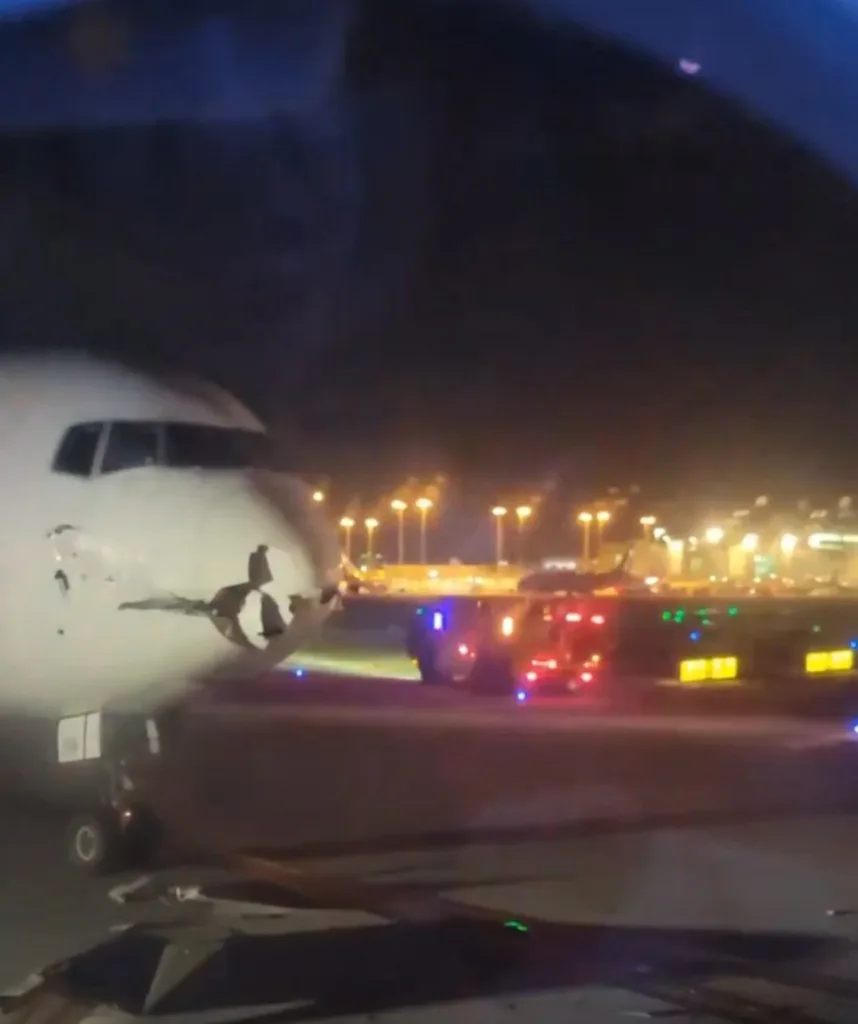
Two people were treated for minor injuries after a Copa Airlines 737 struck a UPS Boeing 767 on a Miami airport taxiway Saturday night. The Copa jet’s wingtip hit the cargo plane’s nose at about 9:15 p.m. Eastern on November 14, 2026. The Federal Aviation Administration (FAA) has opened an investigation. Miami International Airport continued operating, with aircraft using other taxiways.
Copa 737 wingtip hits UPS 767 as aircraft taxi at Miami
The FAA confirmed the collision at Miami International Airport. The Copa Boeing 737 was taxiing toward its arrival gate. Meanwhile, the UPS 767 was moving toward a departure runway for a flight to Bogotá, Colombia.
Air traffic controllers had instructed the UPS crew to yield to Copa, the FAA said. Despite that instruction, the Copa wingtip made contact with the UPS aircraft’s nose. The agency has not determined why the two jets came into conflict.
Airport officials placed the collision at the intersection of two taxiways around 9:15 p.m. A taxiway connects airport runways with gates, terminals and parking areas. Therefore, the two aircraft were maneuvering on the ground, not taking off or landing.
Reports of recorded air traffic control audio describe a crew member acknowledging that the UPS aircraft went too far. However, investigators must establish the complete sequence through communications records and other evidence. The audio report alone does not establish legal or operational responsibility.
Two treated at the scene; Miami airport stays open
Miami-Dade Fire Rescue treated two people for minor injuries at the scene. Neither was taken to a hospital, airport authorities told ABC News. Officials did not specify their identities in the initial injury report.
UPS confirmed that its crew was safe and said it would cooperate with the investigation. The cargo operator did not announce a full damage assessment.
Airport officials rerouted aircraft along other taxiways. As a result, the collision did not shut down the airport or interrupt overall operations, according to the Miami-Dade Aviation Department. Individual aircraft movements could still require adjustments around the affected intersection.
Images from the scene showed damage around the cargo jet’s nose, while the FAA identified contact with the Copa wingtip. Neither airline has provided a verified repair schedule or return-to-service date for the aircraft.
Copa Flight 427 had arrived from Panama City
The Boeing 737 operated Copa Airlines Flight CM427 from Panama City, Panama, according to CBS News Miami. It was approaching its arrival gate when the contact occurred.
UPS assigned its Boeing 767 to Flight 5X358 from Miami to Bogotá. The aircraft was taxiing for departure, the FAA confirmed. However, its planned destination does not establish whether the cargo service departed later that night.
The collision created separate operational problems for the two carriers. Copa needed to inspect an arriving passenger jet before using it again. UPS faced a cargo aircraft inspection and potential changes to its departure plan. The airlines have not released verified figures for associated delays, canceled flights or repair costs.
Miami was also managing disruption from Friday’s nationwide FAA ground stop. However, officials have not linked that communications failure to Saturday’s collision. The local taxiway event has its own FAA investigation.
FAA examines right-of-way instruction and ground movements
The FAA’s published account identifies the aircraft, their directions of travel and the order for UPS to give way. Investigators must now determine how the collision occurred despite that instruction. Relevant evidence may include controller recordings, flight crew statements and airport surveillance footage.
That work also must establish the aircraft positions and timing at the intersection. Although the airport continued operating, the collision shows how a single taxiway conflict can affect passenger and cargo aircraft.
For context, AeroSillage covered the Delta A350 and Air Canada 777 taxiway collision at Los Angeles. It also examined Boeing’s development of ground-conflict warning technology. Neither case determines what happened at Miami.
The FAA investigation is ongoing. For now, authorities confirm two people treated for minor injuries, a wingtip-to-nose collision and uninterrupted airport operations.
Read next
JOIN THE CONVERSATION
Let’s discuss this story.
A question, a clarification or a different perspective? Share it with us.