
United Airlines Fuel Mayday Report After SFO Go-Around
United Airlines flight UA1023 reportedly declared a fuel emergency after a low-altitude go-around at San Francisco. The Boeing 757 landed safely; United disputes the call.
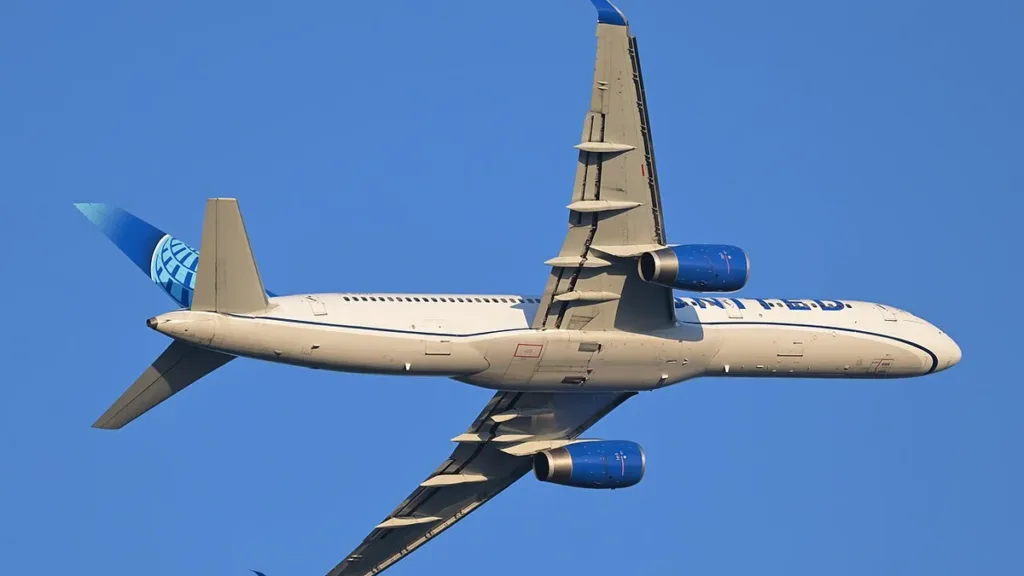
A United Airlines Boeing 757 reportedly declared a fuel emergency after abandoning its landing at San Francisco on October 30, 2026. Flight UA1023 then made a second approach and landed safely. The jet carried 91 passengers and six crew members, according to United’s statement reported by the aviation press.
The flight from Boston had been approaching runway 28R. According to published accounts of air traffic control recordings and flight-tracking data, the pilots climbed away roughly 75 feet above the runway. They subsequently reported 5,200 pounds of fuel remaining, equivalent to about 2,360 kilograms. United disputes that the crew declared an emergency.
United flight UA1023 aborts landing at San Francisco
The Boeing 757-200, identified as N19117 in flight-tracking records, was nearing San Francisco International Airport shortly after 11 a.m. Pacific time. Controllers had warned of wake turbulence from a preceding Boeing 787 and a five-knot tailwind.
At approximately 11:11 a.m., the pilots initiated a go-around, according to Aviation A2Z’s account. A go-around is a standard maneuver: pilots stop the landing attempt, climb and prepare to try again. Nevertheless, the published warnings do not establish why the crew abandoned this approach.
Afterward, the crew reportedly told controllers that fuel was becoming an emergency. The aircraft returned to runway 28R and landed around 11:24 a.m. Thus, roughly 13 minutes separated the abandoned approach from the successful landing.
Reported Mayday conflicts with United Airlines statement
The reported radio call is the central dispute. Hoodline summarized a Simple Flying report describing a spoken “Mayday” and a fuel emergency. However, a United spokesperson told Simple Flying that the crew had not declared an emergency.
Those two accounts cannot be reconciled from the material available. AeroSillage has not independently authenticated the original radio recording. Still, both accounts describe a safe landing, with no reported injuries.
Importantly, 5,200 pounds of fuel does not mean the aircraft was about to run dry. Actual endurance depends on consumption, flight conditions and the fuel required to complete the approach. Likewise, an emergency radio call does not depend solely on whether pilots select transponder code 7700.
Why the second approach mattered for fuel and air traffic
Once the aircraft climbed away, the crew needed another approach while managing its remaining fuel. That maneuver added airborne time and required renewed coordination with air traffic control. The reported fuel warning would therefore have mattered to the aircraft’s handling and priority.
U.S. airline fuel-planning rules account for the destination, any required alternate airport and reserves. Yet a planning rule cannot establish the jet’s precise fuel margin at 11:11 a.m. The decisive evidence would include the actual radio exchange, fuel records and flight data.
For passengers, the documented result was a safe arrival in San Francisco. There is no confirmed diversion, injury or fuel-system failure in the reviewed accounts. Nor do those accounts establish a regulatory breach or an official investigation finding.
What remains unresolved about the United Airlines incident
The flight presents two separate questions. First, why did the crew discontinue its landing so close to the runway? Second, what exactly did the pilots tell controllers about fuel during the return?
Although published reports describe the maneuver and alleged distress call, they do not settle either question. United’s differing description makes the original recording particularly relevant. Until that evidence is authenticated, the Mayday should remain attributed rather than presented as an undisputed finding.
For broader U.S. safety context, see AeroSillage’s coverage of the FAA helicopter-tour oversight audit and the FAA cockpit observation program for controllers. Neither program is connected to flight UA1023.
Read next


JOIN THE CONVERSATION
Let’s discuss this story.
A question, a clarification or a different perspective? Share it with us.