
Boeing develops new runway-conflict alerts to help crews avoid ground collisions
The final seconds before a runway conflict can leave a flight crew with very little time to react. Boeing is developing cockpit technology intended to warn pilots about potentially conflicting aircraft or vehicles on the airport surface. Aviation Week reported on 15 October that a near-term runway conflict awareness concept is under development while the manufacturer researches more autonomous capabilities for the longer term.
A runway incursion may begin with an aircraft taxiing into the wrong area, a misunderstood clearance or a vehicle entering a protected runway. Signs, lights, air traffic control communications and ground surveillance already form layers of protection, but their effectiveness relies on coordination and timely recognition. Bringing relevant warnings into the cockpit could provide another opportunity to interrupt the chain of events.
The aim of runway conflict awareness is not to replace a controller or the judgement of the flight crew. It is to identify a potentially dangerous situation, present it clearly and provide sufficient time to act. That is harder than it sounds. Position data must be accurate, the surrounding traffic picture must be meaningful and false alerts must be limited. A system that generates frequent irrelevant warnings can distract crews during demanding manoeuvres.
The available reaction window can be tiny when an aircraft is accelerating for take-off or approaching to land. Designing a useful alert therefore requires consideration of aircraft speeds, projected tracks and human decision-making. Testing, certification and installation in different cockpit environments would all be necessary before the technology became a proven operational tool.
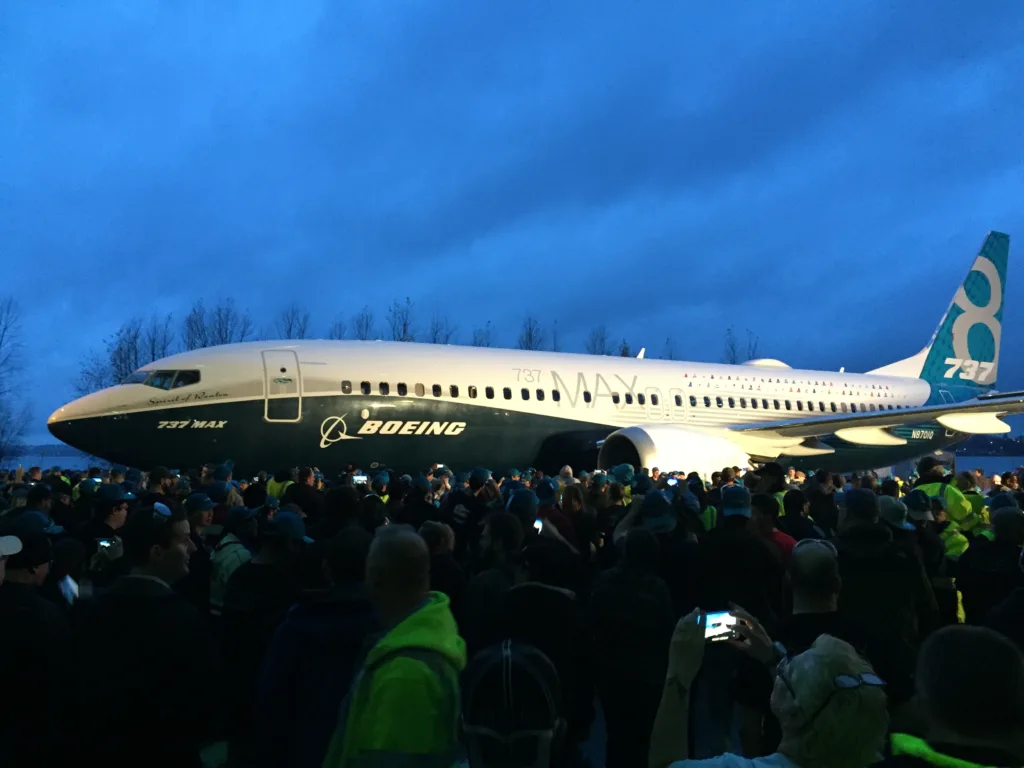
Boeing has not established that every aircraft already carries the developing system or that future deployment will be simultaneous across all models. For airlines and airports, the potential benefit is a further safeguard against a rare but severe type of accident. Success will depend on providing an actionable warning at the right moment, not simply adding another electronic alarm. The featured Boeing-livery 737 MAX 8 is an archival photograph, not a record of testing the new system.
Sources : Aviation Week, 15 October 2026 ; FAA Runway Safety.
JOIN THE CONVERSATION
Let’s discuss this story.
A question, a clarification or a different perspective? Share it with us.