
Boeing 787 Faces FAA Order Over Hidden Wing Slat Risk
The FAA will require actuator replacements on specified Boeing 787 aircraft from November 12. A wing slat could be out of position without alerting the crew.
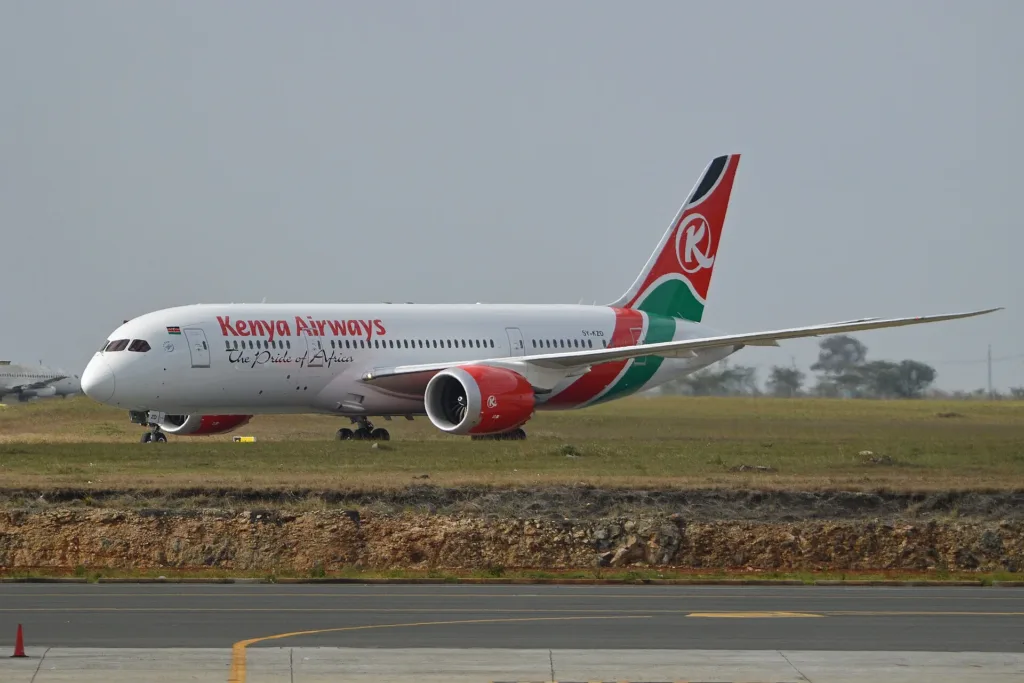
The FAA will require Boeing 787 operators to replace specified wing-slat actuators after identifying a failure that could reduce lift without warning pilots. Its new airworthiness directive takes effect November 12, 2026. The agency says an out-of-position slat could threaten continued safe flight and landing.
Its scope covers certain 787-8, 787-9 and 787-10 aircraft, not every Dreamliner. It also carries forward earlier operational checks and a restriction involving flap retraction after landing in icing conditions.
FAA identifies a hidden Boeing 787 slat-position hazard
Slats are movable panels along the front of an aircraft’s wing. They improve lift at lower speeds, especially during takeoff and landing. However, the outer slat system on affected 787s could move out of its intended position without showing the corresponding warning in the cockpit.
The risk appears in FAA Airworthiness Directive 2026-20-10, published October 8. A separate October 23 correction fixes a regulatory reference. Neither document says an accident has occurred because of this fault.
Without a reliable warning, a crew might not immediately recognize the configuration problem. Therefore, the FAA is requiring hardware and maintenance changes rather than relying on pilots to notice a developing issue.
Boeing 787-8, -9 and -10 jets face actuator replacement
The FAA directs affected operators to replace the outer leading-edge geared rotary actuators with lockout actuators. These mechanisms control or secure part of the movable slat system. The replacement is paired with an updated certification maintenance requirement.
In addition, the FAA retains operational checks from its earlier 2019 directive. Until operators complete the relevant modifications, they must follow the specified checks, procedures and corrective actions. As a result, the regulation combines a continuing inspection program with a longer-term equipment change.
Applicability depends on Boeing’s referenced requirements bulletin, not solely on the model name. Airlines must confirm which individual aircraft are included. The November 12 start date does not automatically ground the entire global 787 fleet.
How the FAA deadline affects airline maintenance
Compliance intervals apply to each specified action. As a result, maintenance planners must check each aircraft’s configuration, previous work and scheduled inspections. Operators may need to coordinate replacement parts and hangar time within those deadlines.
Still, the rule does not publish an airline-by-airline cost or cancellation forecast. Nor does it establish how many U.S. passengers will experience delays. Such numbers would require fleet-level operator disclosures.
For flight crews, the immediate requirement is to use the applicable aircraft manual and company procedures. Meanwhile, technicians must document hardware replacement and required follow-up checks.
What the directive does and does not establish
The FAA has identified a potential unsafe condition. It has not concluded that all Dreamliners are suffering slat malfunctions in service. Likewise, a regulatory warning about possible loss of lift is not an account of an actual loss-of-control incident.
Instead, the directive demonstrates preventive oversight: regulators identify a failure mode, require corrective maintenance and track compliance. The issue is separate from the FAA’s Boeing 787 fuel-tank sealant directive. For wider safety context, AeroSillage also covers the Boeing 737 MAX certification record.
Read next

JOIN THE CONVERSATION
Let’s discuss this story.
A question, a clarification or a different perspective? Share it with us.