
FAA orders stabiliser checks on 1,987 Boeing 737NG aircraft
The FAA has ordered stabiliser inspections affecting an estimated 1,987 US-registered Boeing 737NG aircraft. The directive takes effect on 23 November 2026.
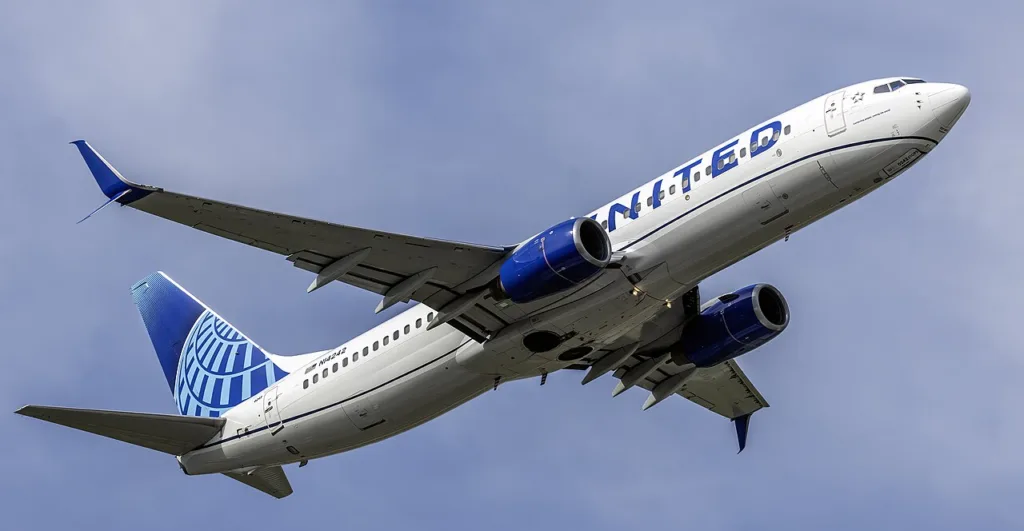
The US Federal Aviation Administration has ordered stabiliser inspections of an estimated 1,987 US-registered Boeing 737 Next Generation aircraft after reports of pitch oscillations. The rule follows reports of unusual pitch oscillations in flight. Published on 19 October 2026, it takes effect on 23 November. It does not ground the fleet or mean that a defect has been found in every aircraft concerned.
At issue is the horizontal stabiliser at the rear of the aircraft, which helps control pitch, or the movement of the nose up and down. The FAA says operators have reported oscillations associated with excessive mechanical freeplay. This describes unwanted movement within part of the control mechanism, not the bumps that passengers normally call turbulence.
The aircraft and the components covered
Airworthiness Directive 2026-20-14 applies to specified configurations of the Boeing 737-600, -700, -700C, -800, -900 and -900ER. These are 737NG models, not the 737 MAX. The figure of 1,987 is the FAA’s estimate for the US register; it should not be used as a global fleet total.
Engineers must check movement at both stabiliser pivot hinges and at the jackscrew, which adjusts the stabiliser’s angle. The measurements establish whether mechanical movement exceeds Boeing’s permitted limits. Excessive looseness could, the regulator warns, lead to aerodynamic flutter: a potentially escalating interaction between airflow and structural movement that may threaten control of the aircraft.
The requirement incorporates Boeing Alert Requirements Bulletin 737-55A1104 RB, dated 12 June 2025. The work includes measurements, additional inspection where necessary and repair or replacement of components outside the permitted limits. Certain corrective work must be followed by new measurements before the aircraft can be returned to service.
What the deadline means for operators
The date on which the rule becomes effective, 23 November, is not a requirement for every 737NG to be inspected on that single day. Airlines must follow the inspection thresholds and repeat intervals specified in the incorporated Boeing instructions, taking account of qualifying earlier work. The FAA declined proposals for generally extending certain intervals, saying the planned schedule achieved the required safety standard.
The regulator estimates six labour hours and $510 in basic inspection labour per aircraft, amounting to about $1,013,370 across the affected US fleet. That estimate does not account for repairs where excessive movement is actually found. The FAA said it could not reliably calculate how many aircraft might need those additional actions.
Airlines raised maintenance-planning issues during consultation. Canadian North sought to align the initial checks with heavy maintenance, while United wanted longer repeat intervals for aircraft fitted with replacement parts. The FAA did not adopt those proposed general changes. Operators may, however, request approved alternative methods of compliance with adequate technical support.
The European Union Aviation Safety Agency lists the US directive through its recognition process. That does not provide a European estimate equivalent to the 1,987 aircraft in the FAA’s US figure.
For passengers, this is a preventive maintenance order, not a notice that nearly 2,000 aircraft have been taken out of service. The inspections are intended to identify excessive wear or looseness before it can compromise pitch control.
Sources: FAA Airworthiness Directive 2026-20-14; EASA. Boeing Alert Requirements Bulletin 737-55A1104 RB sets out the incorporated technical work.
Read next

JOIN THE CONVERSATION
Let’s discuss this story.
A question, a clarification or a different perspective? Share it with us.