More than two decades after production ended, the Boeing 757 is still doing jobs that many newer aircraft only gradually learned to cover. It carries passengers across continents, links secondary markets across the Atlantic and remains a workhorse in express cargo networks.
The 757 began as a more efficient successor to the 727. It became something broader: a narrowbody with unusually strong runway performance, long legs, substantial payload and enough versatility to move from dense domestic sectors to transatlantic ETOPS operations and, later, a major second life as a freighter.
From 727 replacement to airline service
Boeing developed the 757 at the end of the 1970s as airlines were looking for lower fuel burn without giving up the airport performance that had made the 727 useful. Boeing’s historical material says the 757 could be up to 80% more fuel efficient than the older 727s it was designed to replace while retaining strong short-field capability.
The 757 and 767 were developed in parallel. They shared advances in aerodynamics, materials, avionics and propulsion, as well as closely related two-pilot glass cockpits. For airlines operating both types, that commonality became part of the business case.
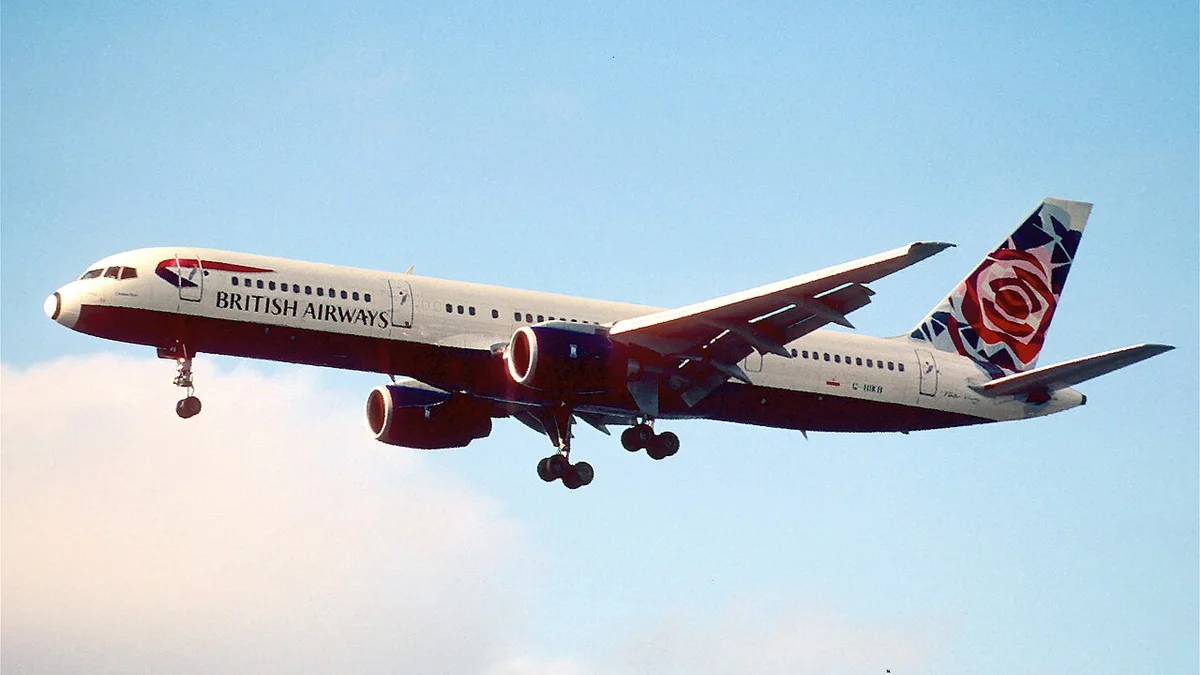
The first 757-200 flew on 19 February 1982. Eastern Air Lines began commercial service on 1 January 1983, followed by British Airways in February. The two launch customers immediately demonstrated that the aircraft was not tied to a single market: it had a role in both large US domestic networks and European airline operations.
A family that pushed beyond the usual narrowbody role
The 757-200 was the core version. Boeing advertised capacity of up to roughly 228 passengers and a range of about 3,900 nautical miles, or just over 7,200 km, depending on configuration. Its 124 ft 10 in wingspan, narrow fuselage and high-bypass engines gave it a distinctive combination of size and performance.
Rolls-Royce RB211 and Pratt & Whitney PW2000 engines powered most of the fleet. Higher-thrust variants exceeded 40,000 lb of thrust, helping give the 757 its reputation for energetic take-offs and strong hot-and-high or short-runway performance.
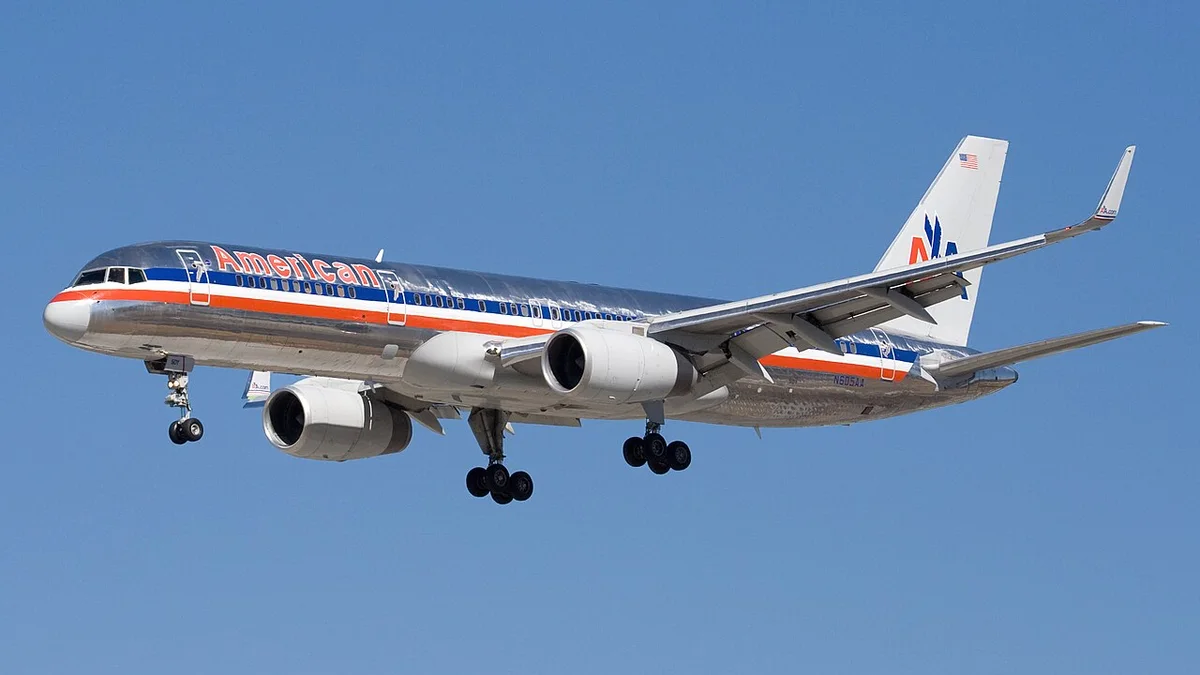
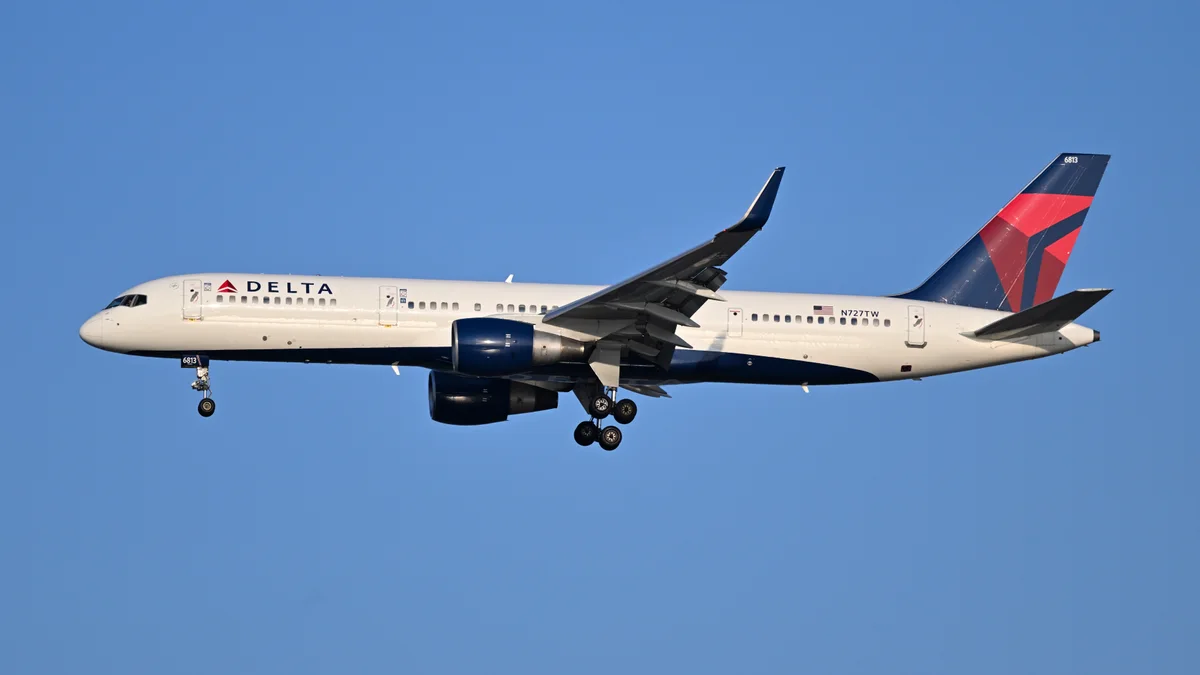
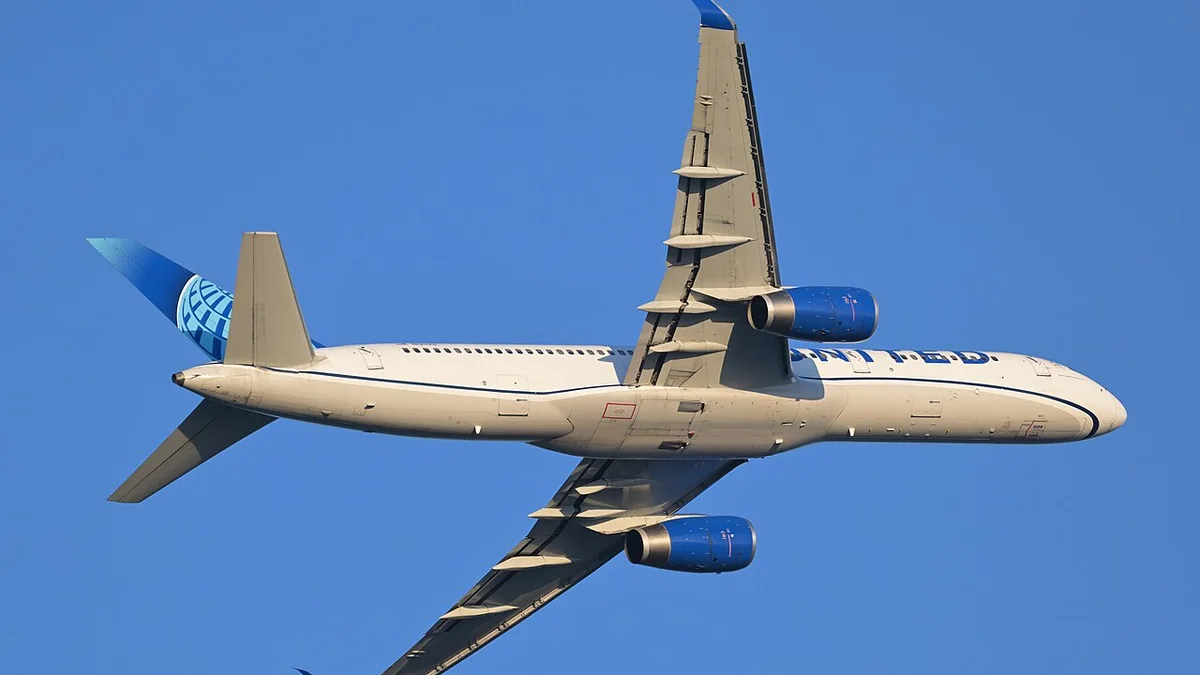
In the United States, Delta, United, Continental and American made the 757 a familiar sight on dense domestic and transcontinental routes. In Europe, British Airways, Icelandair and Condor showed different uses, from scheduled services to leisure flying and charter operations.
Its most influential role may have been across the Atlantic. Rolls-Royce-powered 757s received ETOPS approval from 1986, with 180-minute approval following in 1990. Pratt & Whitney-powered aircraft reached 180-minute approval in 1992. That allowed airlines to use a narrowbody on overwater routes that previously tended to require larger aircraft.
The economics were attractive on thinner city pairs: airlines could link medium-sized markets directly rather than fill a widebody or route passengers through a larger hub. Winglets fitted to many aircraft in the 2000s further improved efficiency and range.
From passenger workhorse to a major cargo second life
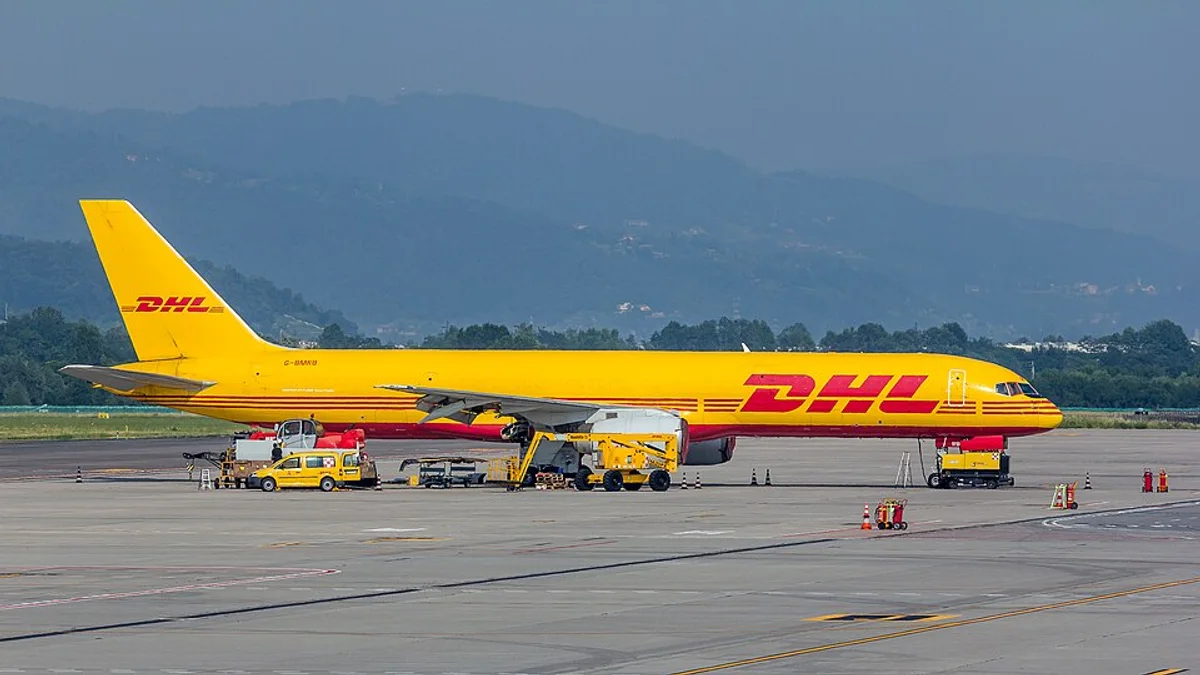
Boeing also built the 757-200PF as a factory freighter, with UPS among the defining customers. Deliveries began in 1987. The aircraft combined a large main-deck cargo door, palletised loading and structural payload approaching 39 tonnes in the relevant configuration.
The bigger story came after passenger aircraft began to age out of airline fleets. Passenger-to-freighter conversions turned large numbers of 757s into useful cargo aircraft. Range, runway performance, container compatibility and a large pool of used airframes made the type especially attractive to express operators.
Boeing launched the 757-300 in 1996. It was more than seven metres longer than the -200 and could seat up to around 280 passengers in a dense layout. Boeing promoted seat-mile costs about 10% lower than the -200. Condor became launch customer and took its first aircraft in 1999.
The -300 remained a niche product. It arrived late in the programme, and its extreme length created boarding and turnaround considerations that limited its appeal. Even so, Delta and United later built meaningful fleets around the stretched variant.
Why the 757 kept a place of its own
The aircraft’s reputation comes from a combination rather than one headline number: high thrust, strong field performance, long range, useful payload and mission flexibility. It could fly a busy domestic route, a long transcontinental sector or a relatively thin transatlantic service without moving into widebody economics.
For cargo operators, the same attributes translated into schedule flexibility and access to airports that did not always suit larger freighters. The common cockpit philosophy with the 767 also mattered to mixed fleets.
Boeing built 1,050 757s. The final aircraft rolled off the line in October 2004 and the last delivery, to Shanghai Airlines, took place on 27 April 2005. By then, the programme had been in the air for more than 23 years.
Eastern Air Lines and British Airways opened the story. Delta, United, American, Icelandair and Condor became some of the best-known passenger names associated with it. UPS, FedEx, DHL-network carriers and SF Airlines later demonstrated how important the type would become to cargo.
Why Boeing stopped the 757 and why replacing it remains difficult
The end of production was driven by the market, not by a fundamental technical problem. Boeing says it decided in late 2003 to close the programme because improved 737 capabilities and the then-new 787 covered the market needs it expected the 757 to serve. Orders had slowed, making continuation of the production line hard to justify.
The shift can still be seen in today’s fleet strategies. AeroSillage recently examined Turkish Airlines’ order for up to 150 Boeing 737 MAX aircraft, part of the broader trend toward more capable modern narrowbodies.
Modern aircraft such as the Airbus A321LR and A321XLR now cover many passenger missions once associated with the 757, while newer 737 variants address other parts of the market. But no single successor reproduced every part of the 757 envelope at once: runway performance, range, payload, capacity and cargo-conversion economics.
That distinction matters. Replacing an old passenger 757 with a highly efficient new narrowbody is one calculation. Replacing a paid-down converted freighter that still fits a specific overnight network can be a very different one.
How many 757s are still active, and for how long?
Fleet totals depend on whether an aircraft is classed as active, stored or temporarily out of service. The most recent detailed snapshot we could cross-check, based on ch-aviation data from February 2026, counted 436 active 757s with 45 operators: 268 cargo 757-200s, 132 passenger 757-200s and 32 757-300s.
That snapshot listed Delta with 83 active aircraft, UPS with 68, FedEx with 63, United with 51 and SF Airlines with 42. These figures are deliberately dated rather than presented as a live total because storage and retirement status can change quickly.
Official operator documents underline the continuing scale. UPS listed 75 757-200s at the end of 2025. FedEx reported 86 757-200s as of 31 May 2026 while also confirming that four had been permanently retired during its 2026 fiscal year.
Passenger fleets will continue to shrink as maintenance costs rise and new-generation aircraft offer lower fuel burn. Cargo is likely to give the 757 a longer tail. As long as airframes, engines, spares and maintenance remain economically supportable, the type still fits some express networks unusually well.
The 757’s importance is therefore not nostalgia. It helped prove that a narrowbody could perform missions once associated with larger aircraft, and it did so before long-range narrowbodies became a mainstream product category. More than 40 years after its first flight, that is why the 757 remains one of the most distinctive commercial aircraft of its generation.
Sources and methodology
Historical and technical data: Boeing historical material and 757 aircraft-characteristics documentation. ETOPS chronology: FAA/ICAO documentation and type history. 2026 fleet snapshot: ch-aviation data cited in a 2026 fleet analysis, cross-checked against UPS fleet data and FedEx’s 2026 annual report. AeroSillage dates fleet counts because active, stored and maintenance status can change rapidly.