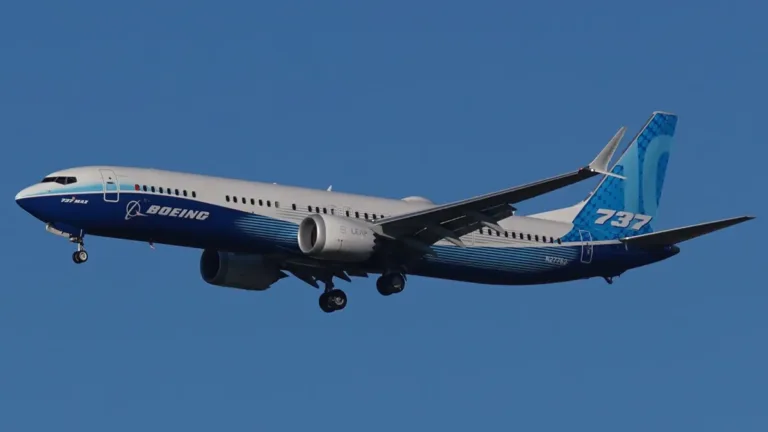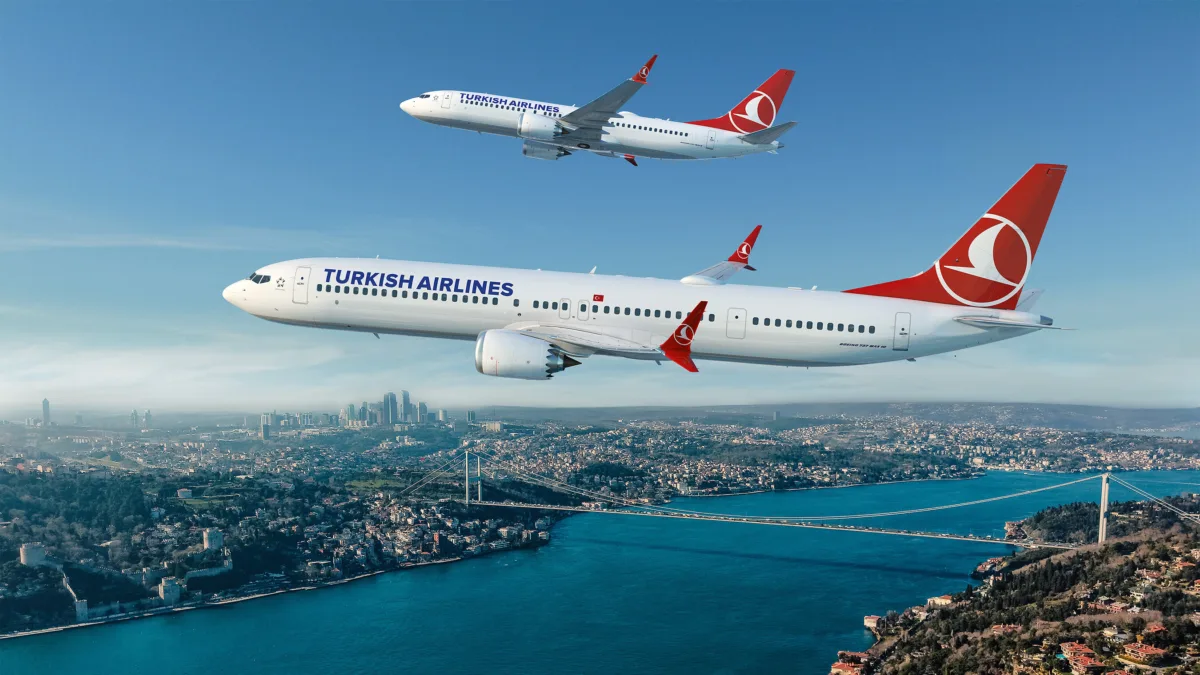
Turkish Airlines finalised on 23 September 2026 a firm order for 100 Boeing 737-8 aircraft, with options for 50 more. The agreement is the airline’s largest-ever single-aisle order with Boeing and also includes flexibility to convert part of the order to the larger 737-10.
What we know
Boeing and Turkish Airlines confirmed the agreement in New York. The 100 firm aircraft are 737-8s, while another 50 737 MAX aircraft are covered by options. Turkish Airlines also secured substitution rights allowing some aircraft to be converted to the higher-capacity 737-10.
According to the information released alongside the announcement, deliveries are planned between 2033 and 2037. No financial value was disclosed. The deal had first been announced as an intention in September 2025 and remained dependent in part on discussions with CFM International, the exclusive engine supplier for the 737 MAX with the LEAP-1B.
The agreement is therefore no longer just a memorandum or expression of interest: the first 100 aircraft are now covered by a firm order.
Why it matters
The order forms part of a much broader expansion strategy. Turkish Airlines had already ordered up to 75 Boeing 787 Dreamliners in 2025, strengthening both its long-haul and short-to-medium-haul growth plans around Istanbul.
Turkish Airlines and its low-cost subsidiary AJet already operate more than 200 Boeing aircraft. Boeing said the wider group now has a total fleet of 567 aircraft and serves 358 destinations in 133 countries. The incoming MAX fleet is expected to provide more capacity on high-demand routes while progressively replacing older narrow-body aircraft.
The option to move from the 737-8 to the 737-10 is strategically important because it gives Turkish Airlines room to adapt seating capacity to future demand. The 737-10, however, still depends on certification before entering commercial service.
What it changes for travellers
For European and francophone travellers, the significance goes beyond Turkey’s domestic fleet. Istanbul is one of the world’s major connecting hubs between Europe, Africa, the Middle East and Asia. Sustained capacity growth at Turkish Airlines can therefore affect choice, pricing and competition on markets from France, Belgium, Switzerland and francophone Africa.
The expansion also strengthens the role of Turkish Airlines within Star Alliance and gives the carrier more room to add frequencies or open thinner routes once the new aircraft begin arriving.
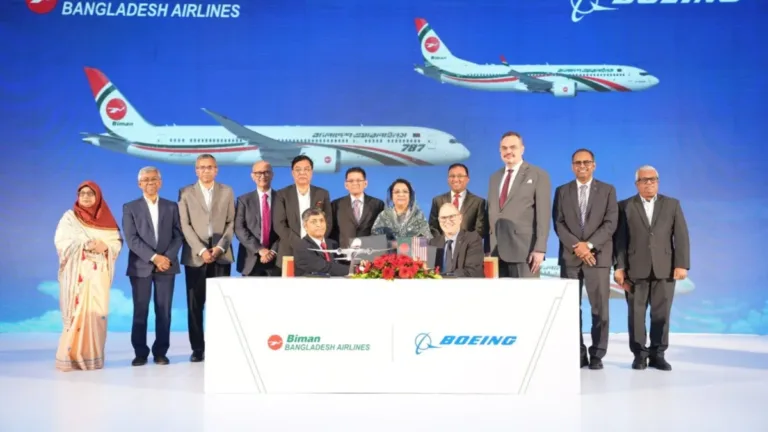
Related: Biman orders 11 more Boeing jets as its fleet is set to double.
What to watch
The next points to follow are the detailed delivery schedule, the final split between 737-8 and 737-10 aircraft, and how the group allocates the jets between Turkish Airlines and its wider growth needs. Certification of the 737-10 will also remain decisive if conversion rights are exercised.
Sources
- Boeing, 23 September 2026.
- Anadolu Agency, confirmation from Turkish Airlines.
- Air Data News, context on the negotiations with CFM International.