
U.S. Airlines’ Fuel Bills Jump $17 Billion as Profits Fall
Fuel bills at seven publicly traded U.S. airlines rose nearly $17 billion in nine months, while combined operating profit fell 12%, according to Reuters.
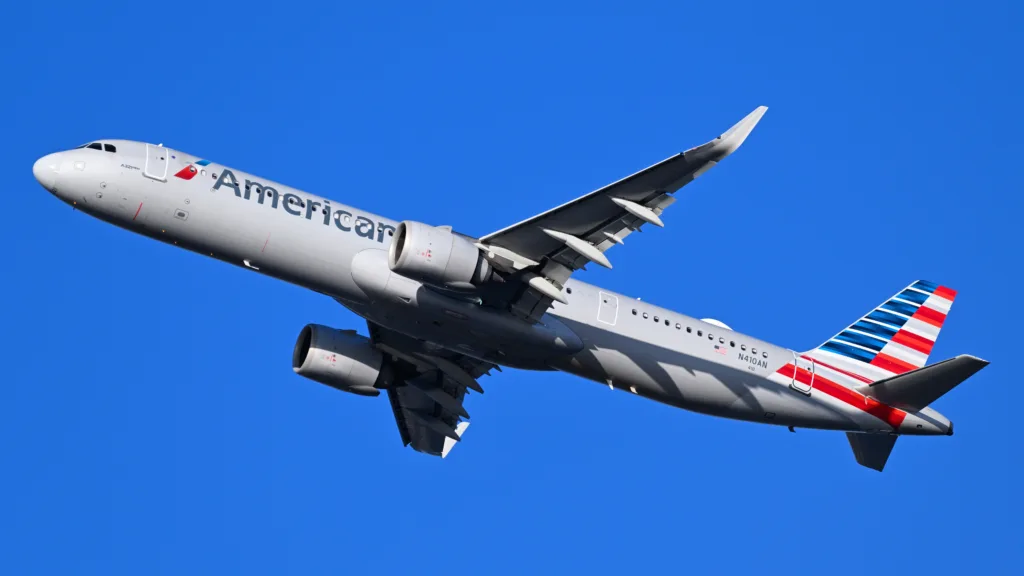
Seven major U.S. airlines spent nearly $17 billion more on fuel during the first nine months of 2026, squeezing profits despite rising revenue. Their combined operating profit fell 12%, according to a November 24 Reuters analysis. Now, carriers are reconsidering how to finance aircraft deliveries.
Combined revenue increased almost $28 billion year over year, Reuters found in the airlines’ filings. However, higher operating expenses consumed much of that gain. Companies must still finance new aircraft while paying for fuel, crews and existing operations.
Fuel costs erode airline cash even as revenue rises
Fuel is one of an airline’s largest recurring expenses. When its price rises, carriers must pay more to fly the same schedule. Meanwhile, their aircraft purchases and delivery deposits still come due.
Alaska Air Group illustrates the pressure. Its third-quarter financial release reported $755 million of operating cash flow over nine months. That was down $309 million from about $1.06 billion a year earlier. The company cited higher fuel costs as a major contributor.
Alaska has continued receiving Boeing aircraft. Yet finance chief Shane Tackett told Reuters that borrowing and sale-leasebacks were among options for 2027 deliveries. Discussing those alternatives is not the same as signing a transaction.
Sale-leasebacks free cash but add recurring payments
In a sale-leaseback, an airline sells a jet to an aircraft leasing company. Then it rents the same aircraft and keeps flying it. The sale supplies cash, while the lease creates future payment obligations.
That trade-off can preserve liquidity during a fuel-price shock. For example, it may reduce the cash needed when a new jet arrives. However, the total financing cost depends on the aircraft, the lease term and market rates.
Cirium Ascend tracked 73 aircraft sale-leasebacks in the first ten months of 2026, up from 46 a year earlier. Those figures are not limited to U.S. airlines. Separately, consultancy IBA found no notable market-wide increase. Reuters reported both assessments.
The contrasting findings prevent a simple conclusion about a universal leasing surge. Instead, each airline’s cash position and order schedule remain decisive.
What the financing shift means for routes and travelers
A financing arrangement does not automatically cancel a flight or change a ticket. Airlines can operate aircraft they own or lease. Still, persistent fuel pressure may influence future fleet growth, route capacity and financial priorities.
For manufacturers, financing can affect how customers complete deliveries. Lessors may buy aircraft that airlines fly under contract. As a result, the funding source changes even when the aircraft’s passengers and destinations do not.
AeroSillage previously examined Avolon’s aircraft commitments and Boeing’s workforce cuts. This story concerns airline cash flow and financing options, rather than a new order or a confirmed route cut.
The figures reflect nine months of reported performance, not a forecast for 2027 fares. Any operational decisions will depend on how fuel prices and airline finances evolve.
Read next
JOIN THE CONVERSATION
Let’s discuss this story.
A question, a clarification or a different perspective? Share it with us.