
FAA Restarts Cockpit Training Flights for Air Traffic Controllers
The FAA is restoring flight-deck observation opportunities for air traffic controllers to help them understand cockpit workload and procedures.
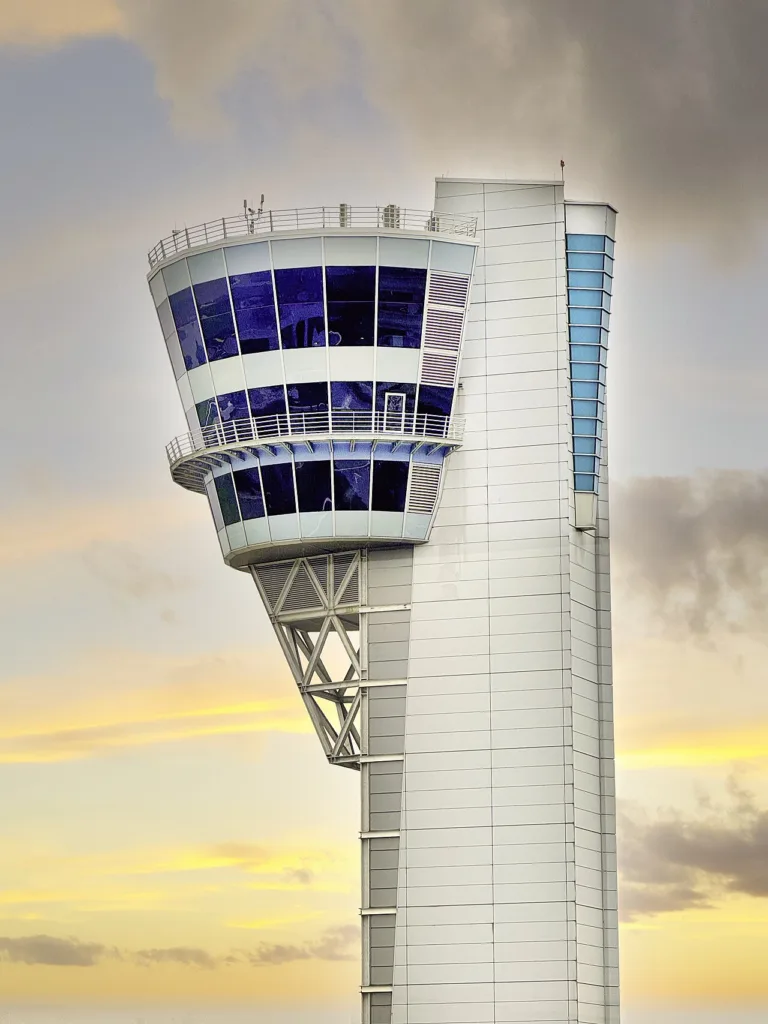
On October 14, 2026, the Federal Aviation Administration announced the restoration of flight-deck observation training for air traffic controllers. The FAA paused the Flight Deck Training program at the start of the COVID-19 pandemic.
The FAA’s official announcement says controllers may apply for jumpseat opportunities. Eligible flights include commercial, general aviation and military operations.
Why controllers are returning to the flight deck
Air traffic controllers work with pilots throughout a flight, but most of their routine duties take place on the ground. The program lets controllers observe cockpit workload, operating procedures and how crews respond to radio instructions.
The FAA says it worked with the National Air Traffic Controllers Association to restore the program. It presents the initiative as a practical training measure rather than a change to passenger flight schedules.
What the program does and does not do
Controllers can apply for observation flights when operators permit jumpseat access. The FAA’s October 14 announcement says all major U.S. airlines agreed to participate. Controllers will apply electronically for specific flights and identify a training objective. Their managers will weigh staffing needs before approval. The FAA expects the formal program to start after Thanksgiving 2026. Jumpseat training does not make controllers flight crew members.
These opportunities are separate from flight simulations and classroom instruction. The FAA is also modernizing controller-pilot coordination through initiatives such as digital IFR departure clearances, although that project does not form part of this training program. Their distinctive value lies in observing real operations and the timing of crew decisions.
How the FAA will assess safety benefits
The agency has framed the restart as a way to improve the knowledge controllers bring to their day-to-day work. However, its October announcement did not establish a numerical reduction in incidents attributable to the program.
Any measurable safety effect would require later evidence. For now, the verified change is the restoration of an observational training opportunity after its pandemic-era suspension.
Read next
JOIN THE CONVERSATION
Let’s discuss this story.
A question, a clarification or a different perspective? Share it with us.