A fresh UK air traffic control outage has intensified tensions between NATS and several major airlines. On September 21, 2026, a technical issue at NATS’ Prestwick centre in Scotland forced temporary traffic restrictions while engineers investigated. The disruption was resolved, but it came less than two weeks after a much larger national outage on September 8.
That sequence has changed the tone of the debate. British Airways, easyJet and Ryanair are no longer treating the latest problem as an isolated technical incident. They are increasingly questioning the resilience of the UK’s air traffic control infrastructure and NATS’ ability to prevent technical failures from turning into large-scale network disruption.
Prestwick and two incidents in less than two weeks
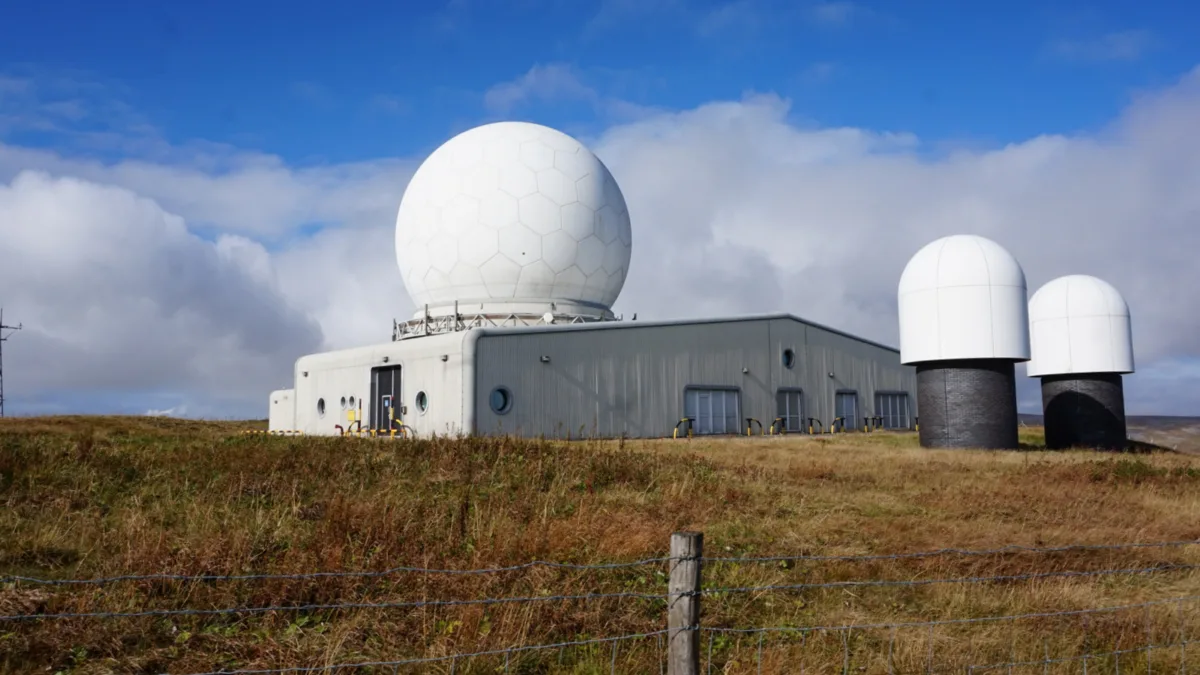
NATS’ Prestwick centre manages Scottish airspace, Northern Ireland, a large part of northern England and important transatlantic flows entering or leaving UK-controlled airspace. When a connectivity issue emerged on September 21, NATS imposed traffic regulations to protect safety while its engineers worked on the fault.
NATS said the issue was specific to part of its systems network in Scotland and was unrelated to the earlier September incident. That distinction matters: two failures close together do not automatically mean the same underlying system failed twice.
British Airways, easyJet and Ryanair turn up the pressure on NATS
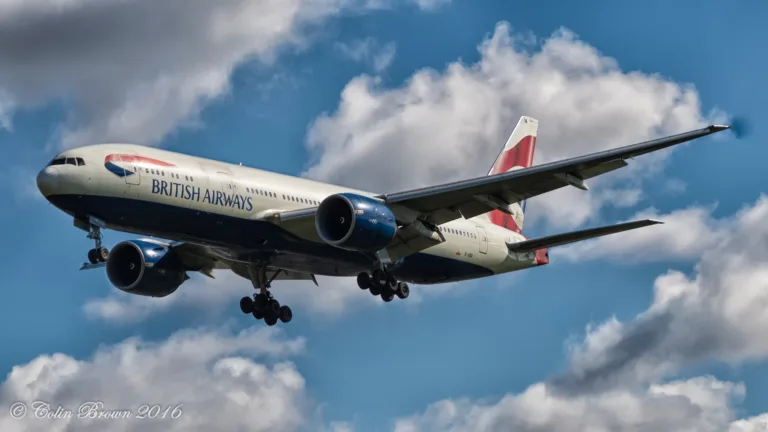
British Airways quickly voiced frustration. For an airline with a major concentration of operations at London Heathrow, any reduction in UK airspace capacity can trigger a broad operational knock-on effect: departure delays, lost slots, displaced aircraft and crews, and disruption to later rotations.
The September 21 incident came only days after the much larger September 8 disruption, which had already forced airlines to absorb widespread cancellations and delays.
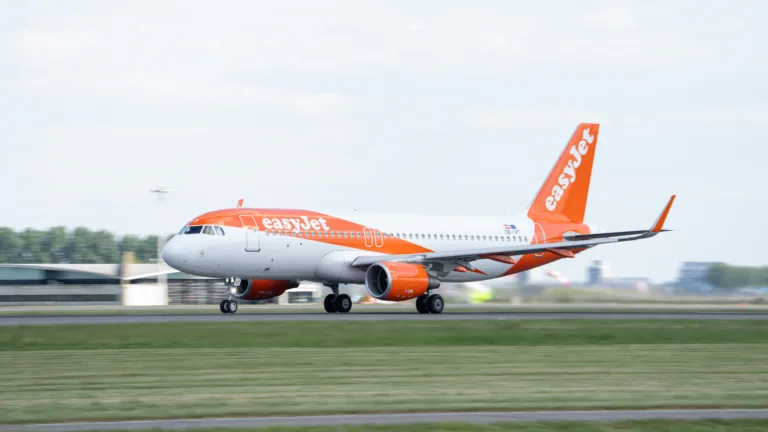
easyJet went further by questioning the resilience of NATS systems. In a safety-critical environment, the realistic goal is not to guarantee that technology will never fail. The key question is whether failures can be isolated quickly, whether backup systems work as intended, and whether enough capacity can be preserved to prevent widespread disruption.
That issue is central to the wider review. After the September 8 incident, NATS said an unknown software defect had corrupted data in part of the flight-data system, forcing restrictions for several hours.
Ryanair took the most confrontational position. The airline said tens of thousands of its passengers had been affected and again called for NATS chief executive Martin Rolfe to step down.
That demand is Ryanair’s position, not the conclusion of an independent investigation into personal responsibility. It nevertheless illustrates how far trust has deteriorated between some airlines and the UK’s air traffic services provider.
The most difficult issue for NATS is now the accumulation of disruptions. The September 21 event had a different technical cause from the September 8 outage, but airlines experience broadly similar consequences: aircraft out of position, delayed crews, lost rotations and extra passenger-care costs.
It is this repetition, more than either incident in isolation, that has turned a technical reliability issue into a broader political and commercial debate.
Why a UK outage can spread across Europe
The UK sits at the heart of major European and transatlantic traffic flows. NATS’ two main control centres, Swanwick and Prestwick, manage a large share of UK-controlled airspace. When capacity is reduced, the impact can quickly extend beyond British carriers.
Flights linking continental Europe with the UK, transatlantic services and connecting networks can all be affected. Eurocontrol must then adjust flows to prevent overloaded sectors and further delays.
An independent review during a difficult technology transition
On September 25, the UK Civil Aviation Authority announced the scope of an independent review into air traffic control resilience. The review will not be limited to the September 8 incident: the regulator said it would also consider other similar events, including the Prestwick disruption on September 21.
The CAA plans to examine the renewal of critical systems, business-continuity arrangements, implementation of previous recommendations and practices used in other countries. An initial report is expected by the end of January 2027, with a final report due in March.
NATS says it has invested more than £1 billion in systems and technology over the past decade and plans further major spending through 2033. The issue is therefore not simply a lack of investment.
The harder challenge is replacing and modernising safety-critical systems while keeping an always-on service running. Traffic restrictions during a technical failure are themselves a safety measure. The debate now concerns how often those restrictions become necessary and how quickly backup arrangements restore normal capacity.
What does this mean for passengers?
Air traffic control disruption is generally treated as an extraordinary circumstance when it lies outside an airline’s control. That can mean passengers are not automatically entitled to the standard fixed compensation that applies in some other disruption scenarios.
Airlines’ duty of care does not disappear, however. Depending on the circumstances, carriers may still have obligations to reroute or refund passengers and provide meals, refreshments or accommodation where applicable.
NATS now faces a confidence and resilience problem
There has been no suggestion that safety itself was compromised: restricting traffic is precisely how controllers protect safety when a technical system is degraded. The bigger issue after two significant incidents in less than two weeks is confidence in resilience.
British Airways, easyJet and Ryanair have different business models and different public styles, but they now converge on one demand: stronger guarantees that the infrastructure underpinning UK aviation can absorb technical failures without repeatedly destabilising the network.
Main sources
NATS: Technical issue at Prestwick Centre
NATS: preliminary report on the September 8 incident
UK CAA: scope of independent review
UK CAA: passenger compensation statement
Related: UK NATS suffers another air traffic control outage, the incident that intensified airline pressure on the provider.