
Nice: BEA deepens investigation into near-collision
France’s BEA is examining runway lighting, ground alerts and airport-specific operating factors after the serious Nouvelair–easyJet near-collision at Nice.
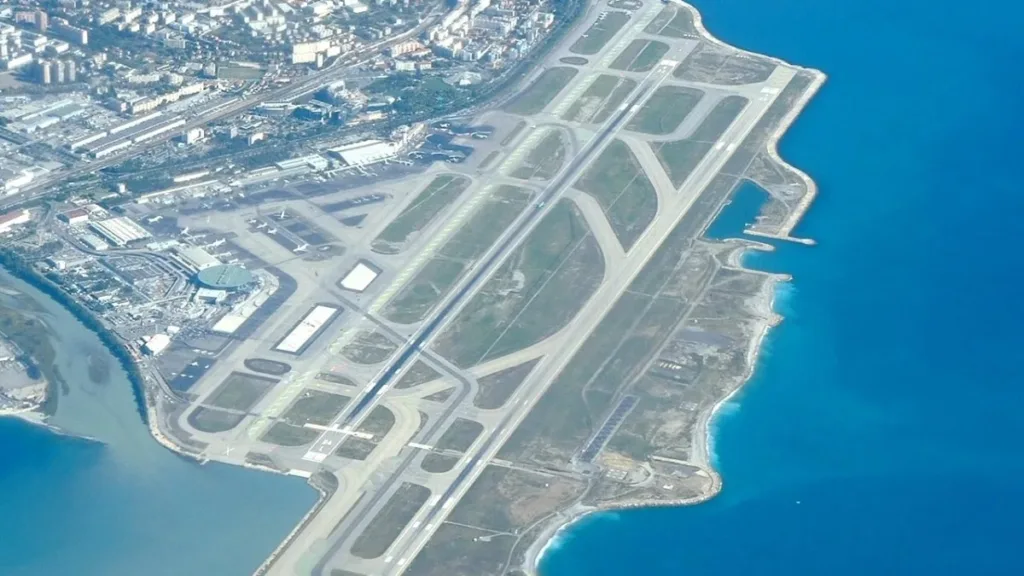
One year after a serious runway near-collision at Nice Côte d’Azur, France’s BEA has published a new progress update on its investigation. Investigators are examining runway lighting, ground-surveillance alerts and the specific operating environment at Nice. No final cause has yet been established.
What happened
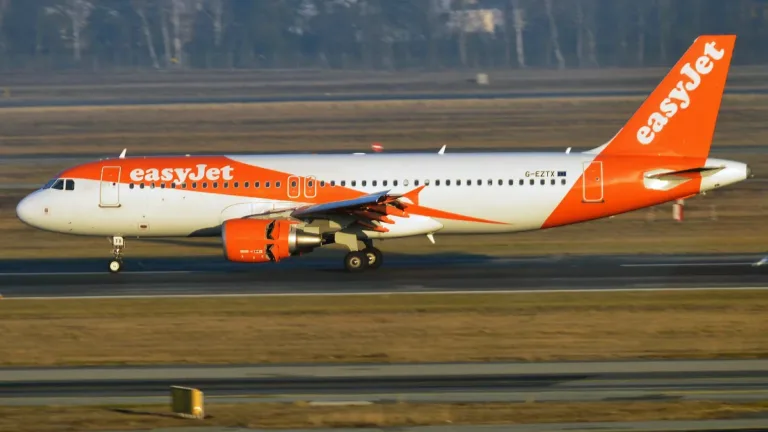
On September 21, 2025, a Nouvelair Airbus A320 arriving from Tunis was cleared to land on runway 04L but lined up with the parallel runway 04R, where an easyJet Europe A320 was positioned for departure to Nantes.
The Nouvelair aircraft continued the approach and overflew the easyJet before going around. The preliminary BEA report recorded a minimum radio altitude of about 10 feet. No one was injured and neither aircraft was damaged.
Runway lighting under examination
The BEA is studying whether the lighting environment of runways 04L and 04R may have influenced the crew’s visual perception. This does not mean lighting has been identified as the cause; it is one line of investigation among several.
Why Nice is a special case
Nice has two closely spaced parallel runways on a coastal platform. At night or in degraded weather, visual differentiation between the two axes can become especially important. That is why a near-collision can reveal weaknesses in procedures, communication or situational awareness even when no impact occurs.
A serious event involving parallel runways requires investigators to examine several layers of protection: runway identification, lighting, ground-surveillance alerts and crew responses. Reviewing those safeguards is not the same as assigning a definitive cause. The BEA’s final findings will be needed to connect the technical evidence to the operational sequence.
What remains to be determined
The final report will need to explain why the Nouvelair crew continued toward 04R and how lighting, procedures, ground systems and air traffic control interactions contributed to the sequence.
Sources
BEA case BEA2025-0423; BEA progress update of September 21, 2026; preliminary report; Nice Côte d’Azur operational documentation.
The BEA’s findings must be assessed on their own evidence: airport traffic growth alone cannot establish the cause of a near-collision.
Read next
JOIN THE CONVERSATION
Let’s discuss this story.
A question, a clarification or a different perspective? Share it with us.