
Milan Malpensa: easyJet flight evacuated after fire
An easyJet A320 to Prague was evacuated at Milan Malpensa after cabin smoke during taxi. All 146 passengers left via slides; two suffered minor injuries and ANSV opened a safety investigation.
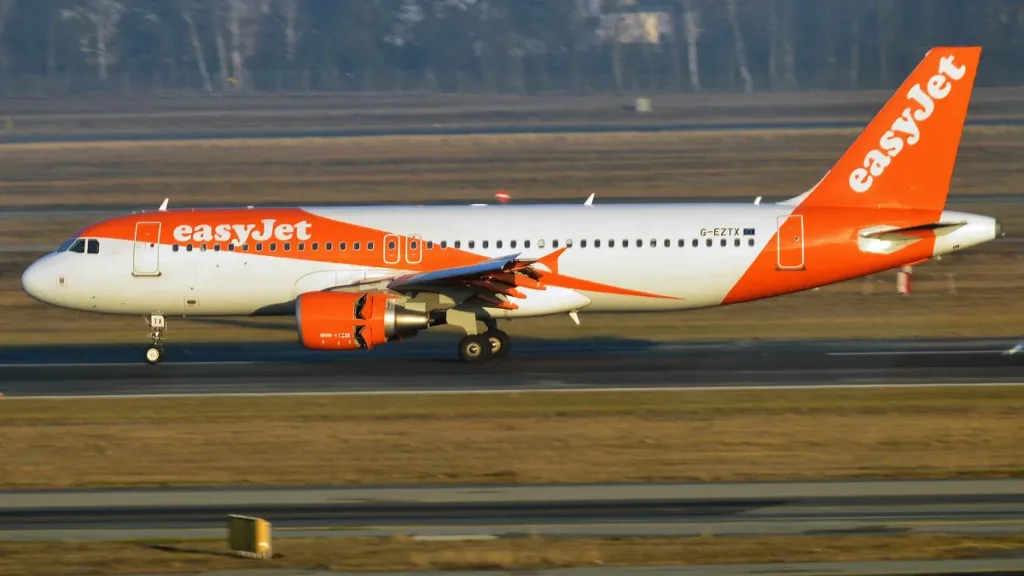
At Milan Malpensa, 146 passengers had to leave an easyJet A320 by emergency slides before their flight to Prague could take off on 10 September 2026. Smoke had been reported during taxi, and the crew activated emergency procedures. What happened next was clear — an evacuation and a temporary airport disruption — but the cause remained a matter for investigators rather than an established explanation based on early reports. All 146 passengers left the aircraft using emergency slides.
The flight, U23905, was preparing to depart Malpensa when the crew declared an emergency at about 17:31 local time. Airport emergency procedures were activated and both runways were temporarily unavailable while the aircraft was evacuated and the scene secured.
Two passengers suffered minor bruising during the slide evacuation. No serious injuries were reported.
The battery hypothesis is not a final finding
Italian media including RaiNews, ANSA and Euronews reported that the smoke was linked to a passenger power bank stored in hand luggage, with some reports placing the device in a bag in an overhead compartment.
That explanation is consistent across multiple Italian reports, but AeroSillage distinguishes it from a final investigation finding. Italy’s ANSV opened a formal safety investigation on September 10, and no final report had been published by October 2. The same distinction between reported symptoms and confirmed technical cause matters in the Delta DL251 cabin-smoke diversion to Porto.
Malpensa returned to full operation the same evening
One runway reopened first, allowing limited traffic to resume. Full airport operations were restored at around 19:30 after the aircraft had been moved and safety checks completed.
Why lithium batteries are treated differently
Portable lithium-ion batteries can enter thermal runaway if damaged, defective or short-circuited. In the cabin, crews have a better chance of identifying and cooling a device than if it is inaccessible in checked baggage. That is one reason spare power banks are generally required to remain in carry-on baggage rather than the hold.
The investigation question
The key technical issue is not simply whether a power bank was present, but how the event started, how quickly smoke developed, how the crew responded and whether the evacuation sequence produced any additional safety lessons.
Sources
ANSV; easyJet-related airport reporting; RaiNews; ANSA; LaPresse; Euronews.
Read next
JOIN THE CONVERSATION
Let’s discuss this story.
A question, a clarification or a different perspective? Share it with us.