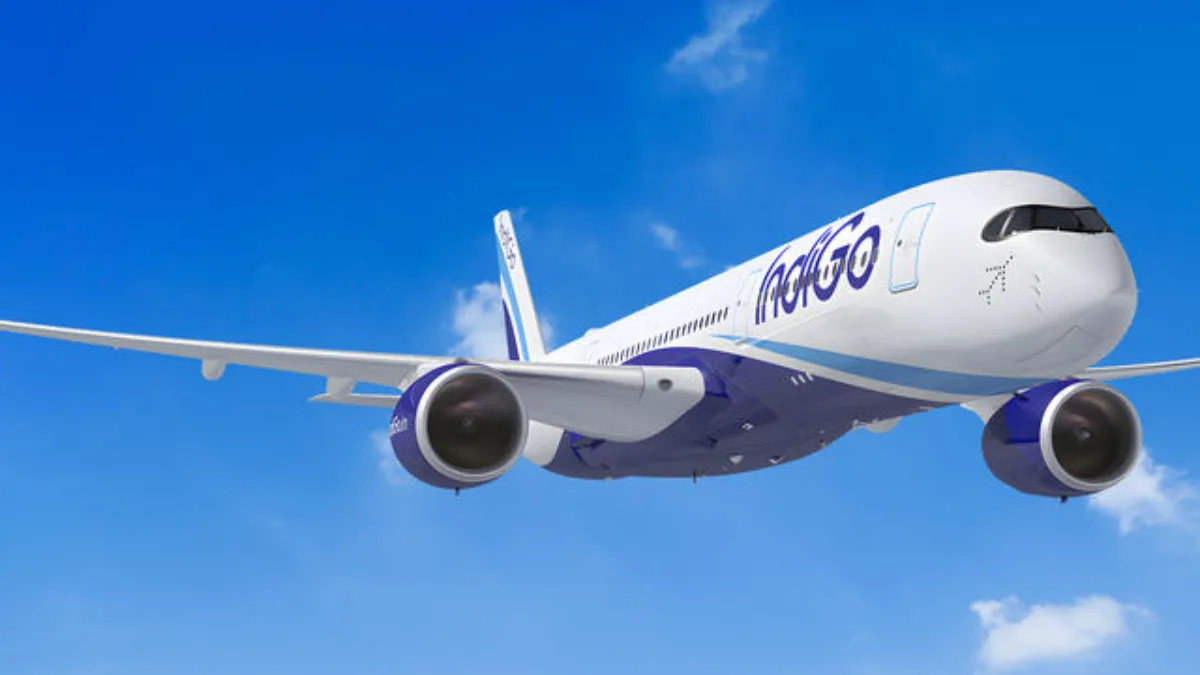
IndiGo’s transformation from India’s dominant domestic low-cost carrier into a long-haul airline is really a test of whether its famous cost discipline can survive a much more complex operating model.
Domestic scale gives IndiGo an unusual advantage
With more than 400 aircraft and over 2,200 daily flights, IndiGo already has the feed that many aspiring long-haul airlines spend years trying to build. Delhi, Mumbai, Bengaluru and Hyderabad can support international growth with a huge local passenger base.
The 787 experiment showed the limits of rushing
Leased Boeing 787-9 operations accelerated IndiGo’s entry into long-haul flying, but also exposed the higher cost and complexity of widebody operations. The airline is now moving toward a more deliberate fleet strategy.
A321XLR first, A350 later
The A321XLR allows IndiGo to extend beyond its traditional network without immediately carrying widebody economics on every route. True long-haul markets will eventually be supported by the A350-900.
Europe is the proving ground
Amsterdam and London are not simply new destinations; they test whether IndiGo can compete for international passengers against Gulf, European and Asian network carriers while preserving a simplified product and cost base.
The biggest risk is complexity
Long-haul flying brings premium cabins, longer crew duties, disruption recovery challenges and greater exposure to geopolitical rerouting. Each layer weakens the simplicity that helped IndiGo dominate India.
AeroSillage view: IndiGo already has scale. The question is whether it can become global without losing the operating discipline that created that scale.
Related: European aviation and the rise of larger airline groups.
Sources
IndiGo corporate information, 2026; Reuters, July 31, 2026.

Leave a Reply