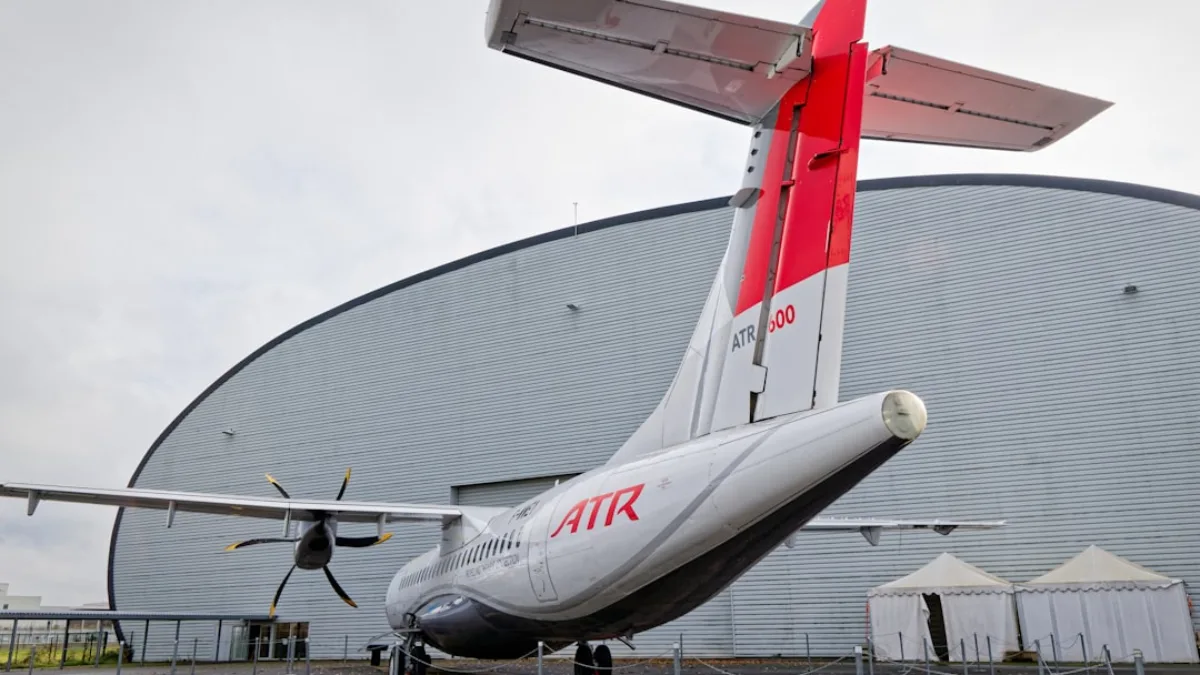
Indian regional airline FLY91 has made a dramatic jump in scale by ordering 40 ATR 72-600 turboprops. Launched commercially in 2024 to connect underserved Indian cities, the Goa-based carrier has signed a firm deal valued at roughly $1 billion at announced/list prices. For ATR, it is the manufacturer’s largest firm order in almost a decade and the largest firm order ever placed with ATR by a regional airline.
The order changes FLY91’s scale
Deliveries are scheduled from 2027 to 2032.
FLY91 currently operates six ATR 72-600s and aims to grow to more than 60 aircraft over the coming years. Additional leased aircraft are expected to bridge the gap before the new-build fleet arrives.
The contrast is striking: less than three years after starting commercial operations, the airline is preparing for roughly a tenfold fleet expansion.
FLY91 currently operates around 280 weekly flights to roughly a dozen destinations, focusing on regional markets where demand is growing but often too thin for larger narrowbodies.
A major industrial contract for ATR
The 40-aircraft deal takes ATR’s 2026 order intake to around 54 aircraft, already above its total net orders for 2025.
ATR is jointly owned by Airbus and Leonardo.
The ATR 72-600, commonly configured for around 70–78 passengers, is designed for short sectors and markets where an Airbus A320 or Boeing 737 may provide too much capacity.
India’s aviation growth is moving beyond Delhi, Mumbai and Bengaluru
FLY91’s order reflects a deeper structural change in Indian aviation.
Growth is no longer only about the largest metropolitan airports. Dozens of tier-two and tier-three cities are developing enough demand to support scheduled air links but may still be difficult to serve profitably with 180-seat jets.
India’s regional-connectivity policy, including the UDAN programme, is designed to accelerate that process.
ATR estimates that India generates around 4.6 billion intercity journeys each year, with only about 3% currently made by air. That gap represents the long-term market opportunity regional airlines are trying to capture.
Why turboprops remain strategically useful
On short regional sectors, economics differ from major trunk routes.
Distances are shorter, passenger volumes are lower and some airports have more limited infrastructure.
A turboprop can match capacity more closely to demand while keeping operating economics compatible with affordable fares.
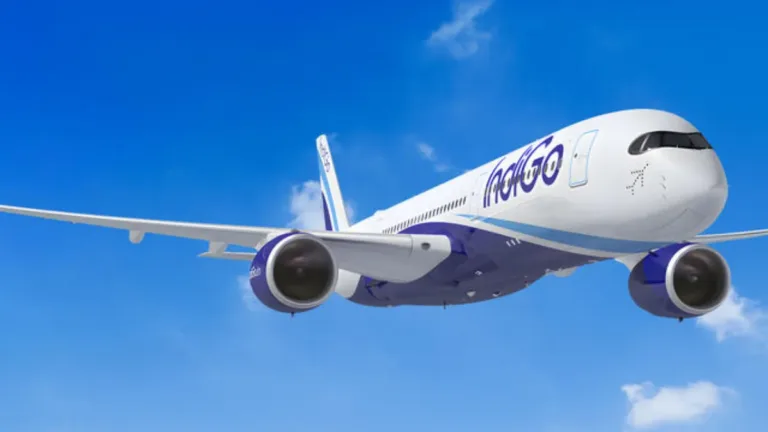
This is also why ATR already has a large presence in India. IndiGo operates dozens of ATR aircraft on its regional network.
The order is ambitious: and execution risk is substantial
Growing from six aircraft to more than 60 creates major challenges.
FLY91 will need financing, pilots, cabin crew, maintenance capacity, training infrastructure and enough viable routes to keep the new fleet productive.
Reuters reported that FLY91 was not yet profitable but described itself as debt-free and was targeting cash breakeven by the end of the financial year.
Around 35% of weekly flights were reported to benefit from government regional-connectivity support.
That support can help launch thinner routes, but it also highlights the challenge of turning subsidised connectivity into self-sustaining commercial markets over time.
The order is a bet on a second Indian aviation market
India’s headline aviation story is usually the explosive growth of major airlines and metropolitan hubs.
FLY91 is betting on a parallel market: medium-sized cities, direct regional links and travellers who do not yet use air transport regularly.
If that demand materialises, India could become one of the world’s most important growth markets for regional turboprops during the next decade.
The 40-aircraft order is therefore not simply fleet renewal. It is a wager on what the next layer of India’s aviation network will look like.
Main sources
ATR, September 2026; Reuters; Indian regional-connectivity and FLY91 fleet information.
Leave a Reply