
U.S. Proposes 10% Tariff on Embraer Jets Imported From Brazil
The U.S. Trade Representative proposed a 10% duty on finished aircraft imported from Brazil on November 25, 2026. The measure is not yet in effect.
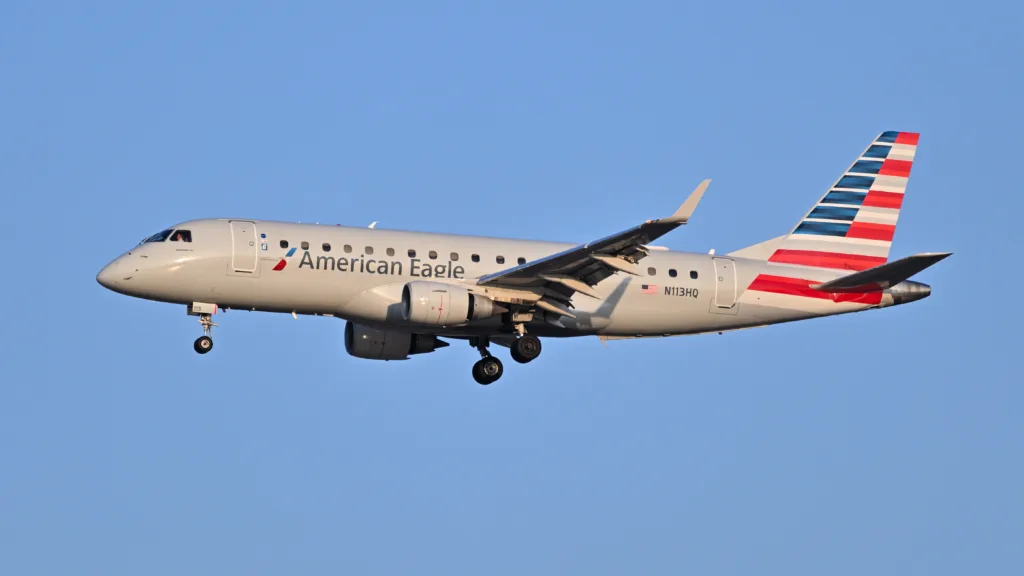
The United States proposed a 10% tariff on finished aircraft imported from Brazil on November 25, 2026, potentially increasing the cost of Embraer jets for U.S. airlines. The measure targets an existing import exemption and has not taken effect.
In its November 25 announcement, the Office of the U.S. Trade Representative (USTR) outlined the proposal as part of its Section 301 trade action concerning Brazil. It is seeking public comments before deciding whether to impose the duty.
How a 10% duty could change Embraer aircraft costs
Finished aircraft imported from Brazil currently have an exemption from the relevant Section 301 duty. USTR wants to end that exemption and apply a 10% charge based on the aircraft’s customs value.
For example, a jet assessed at a $50 million customs value would attract a $5 million duty at that rate. This is a calculation, not an Embraer price quote. The actual charge would depend on the imported aircraft’s customs valuation and applicable rules.
Higher import costs could affect who pays for new jets under existing purchase and leasing contracts. However, the proposal does not establish how those costs would be divided among manufacturers, lessors and airline customers.
U.S. regional airlines face potential fleet pressure
Embraer’s E175 is widely used on regional services operated under major U.S. airline brands. Those jets connect smaller airports with large hubs, making aircraft acquisition costs relevant beyond the biggest domestic markets.
Reuters reported that American Airlines expected five Embraer commercial jet deliveries by the end of 2026 and another 14 in 2027. The report also described opposition to higher aircraft costs from Airlines for America and said Embraer was reviewing the proposal.
Even so, a proposed import duty does not cancel an aircraft order or a passenger route. It would affect actual imports only if adopted, under whatever final terms USTR establishes.
USTR must decide whether to adopt the tariff
The next step is the public-comment process. USTR will then determine whether to change the existing aircraft exemption. Until that decision, the announced 10% charge remains a proposal rather than a duty already payable.
Regional carriers and aircraft buyers will need to assess the final rate, timing and covered imports if the government proceeds. Any effect on fares or flight schedules would be indirect, not an immediate consequence of the November 25 announcement.
AeroSillage previously examined U.S. airline fuel bills and aircraft financing, another source of pressure on carriers’ fleet budgets.
Read next
JOIN THE CONVERSATION
Let’s discuss this story.
A question, a clarification or a different perspective? Share it with us.