
CAA warns power banks must stay in cabin as battery risks persist
The UK Civil Aviation Authority has issued a lithium battery safety checklist ahead of half-term travel. Its survey found 31% of recent flyers misunderstand battery packing rules.
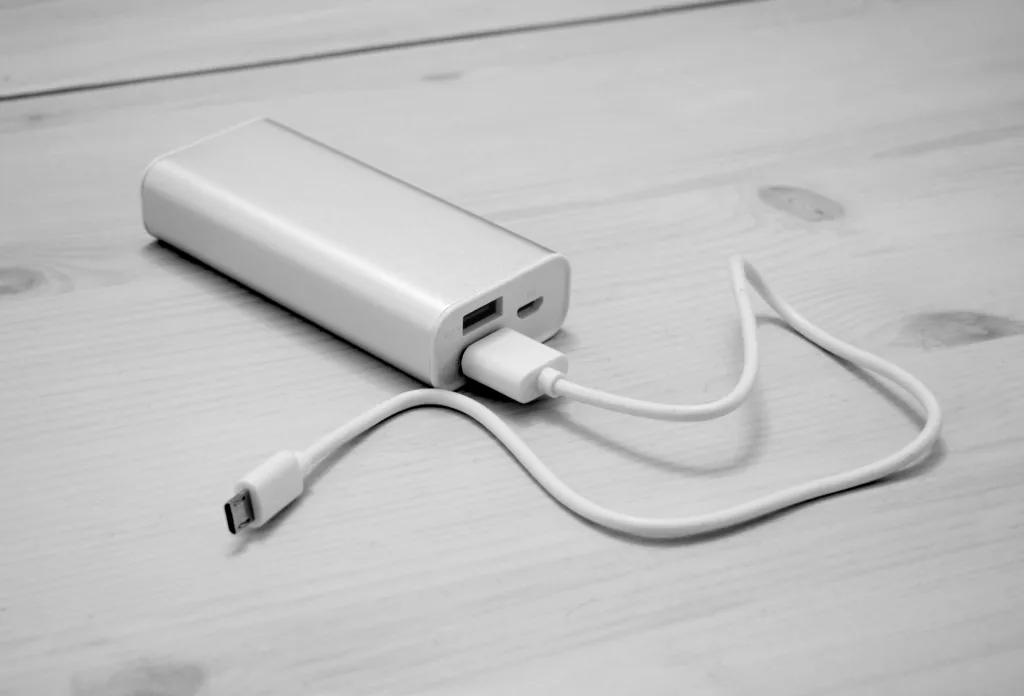
Passengers flying from the UK are being urged to keep power banks out of checked luggage and to alert cabin crew immediately if a rechargeable device overheats, under new safety advice issued by the Civil Aviation Authority on 22 October 2026.
The regulator published a six-point checklist ahead of the half-term rush. Its commissioned research found that 31% of surveyed recent flyers wrongly believed items containing lithium batteries should be packed in checked bags. The CAA says almost three million passengers are expected to fly across England and Wales during the holiday period.
Why the CAA is concerned about lithium batteries
Phones, laptops, tablets and portable chargers are now carried on most flights. The problem is not normal use but the possibility of damage, short circuits or overheating that can trigger a battery fire. A device in the passenger cabin can be spotted and dealt with by trained crew more readily than one buried among baggage in the hold.
In its October announcement, the CAA said awareness of battery travel rules had risen to 86% among recent flyers, from 81% a year earlier. Yet understanding remains uneven. The proportion carrying a power bank has also grown, from 49% to 54%.
What passengers may carry and charge on board
The regulator’s guidance is specific: power banks belong in carry-on baggage, must be protected when not in use and must not themselves be recharged during a flight. Passengers should check whether their airline permits a power bank to charge another device while airborne and keep it accessible rather than buried beneath other belongings.
The CAA’s updated battery rules, effective from 27 March 2026, set a maximum of two power banks per person and specify limits based on watt-hours and lithium content. Battery ratings matter; a charger should not be assumed acceptable simply because it is marketed for travel.
If a phone, power bank or vape becomes unusually hot, starts smoking or shows other signs of failure, the passenger should stop using it and tell cabin crew without delay. The regulator explicitly advises passengers not to attempt to deal with a smoking device without alerting trained staff.
Vapes, laptops and damaged batteries require attention
The CAA also reminds passengers that vapes must travel in the cabin and must never be used on board. Its warning covers the broader range of lithium-powered equipment, not just the small chargers sold for mobile phones.
- Keep power banks and spare lithium batteries in the cabin, not checked baggage.
- Protect batteries against short circuits and check the airline’s capacity limits.
- Tell cabin crew immediately if any device becomes hot, damaged or starts smoking.
Travelers should check their airline’s battery limits before flying, particularly if carrying several devices or a high-capacity charger. AeroSillage’s cabin baggage security guide covers other items that may need special handling at the airport. The emphasis is on spotting trouble early. A passenger who alerts the crew promptly gives trained staff the best chance to contain an overheating device.
Read next



JOIN THE CONVERSATION
Let’s discuss this story.
A question, a clarification or a different perspective? Share it with us.