
Airbus wins 75-jet order as ACG books A320neo family deliveries through 2035
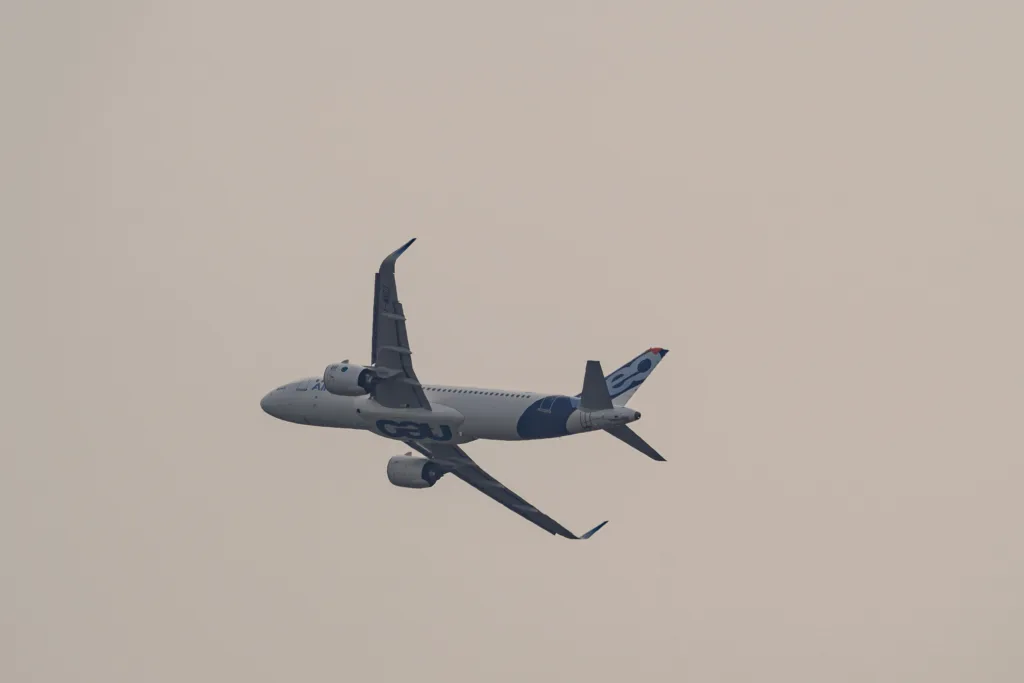
Another 75 Airbus A320neo-family aircraft have been ordered, yet the first are not scheduled for delivery until 2032. Aviation Capital Group’s firm deal, announced on 16 October, extends into 2035 and illustrates how aircraft demand is now shaped by access to manufacturing capacity many years ahead of actual airline operations.
ACG, owned by Japan’s Tokyo Century, calls it the largest aircraft order in its nearly 40-year history. The agreement covers the A320neo family and allows conversions between variants. Neither Airbus nor the lessor has disclosed how many of the 75 are intended to be A320neos rather than A321neos. Publishing an invented split would misrepresent the transaction.
The order follows other major leasing commitments, including Avolon’s Airbus and Boeing purchase analysed by AeroSillage. Aircraft lessors operate between manufacturers and airlines, purchasing or financing jets and making them available through leasing agreements. For carriers, this can provide access to new equipment without the same immediate capital outlay as buying each aircraft outright. For the lessor, securing production slots early means it can offer airlines capacity that might otherwise be unavailable when their fleets need replacing.
As of 30 June 2026, ACG had 118 A320neo-family aircraft in its portfolio. Its outstanding orders for the family rise to 115 after the new deal, while Airbus counts 190 historical direct orders from the lessor. These figures measure separate things: current fleet holdings, future deliveries and cumulative orders. They should not be added together as though they represented aircraft already operating.
Industrial capacity and supply-chain reliability also determine the timetable. Engine makers, cabin suppliers and other manufacturers must deliver thousands of components to assemble each jet. A firm order secures a commercial commitment, not immunity from future scheduling changes. For passengers, the significance is less about an immediate new flight than about who will have access to efficient aircraft in the middle of the next decade.
Sources : Airbus, 16 October ; Aviation Capital Group.
JOIN THE CONVERSATION
Let’s discuss this story.
A question, a clarification or a different perspective? Share it with us.