
Airbus considers stretched A350 and A220 models as production battle intensifies
Airbus is exploring two different ways of making its aircraft bigger. One would stretch its A350 long-haul family into a higher-capacity model, often discussed as the A350-2000. The other
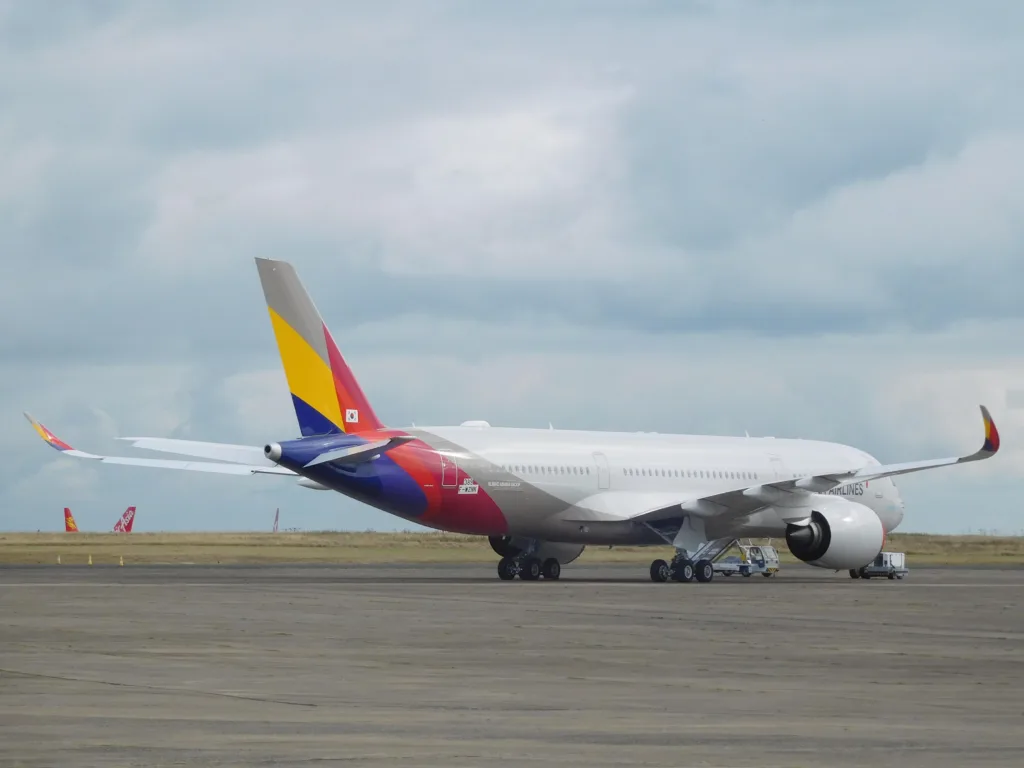
Airbus is exploring two different ways of making its aircraft bigger. One would stretch its A350 long-haul family into a higher-capacity model, often discussed as the A350-2000. The other would extend the smaller A220 into a larger version, commonly referred to as the A220-500. Both ideas are being assessed; neither is an officially launched programme.
Airbus commercial aircraft chief Lars Wagner told Reuters on 14 October that an early decision may be possible on raising A350 production further. He sees identifiable demand for larger versions of both the A350 and A220. Turning that appetite into deliverable aircraft is another matter. Capacity changes affect structural design, supplier agreements, tooling, factory investment and certification, not merely the number of seats fitted to a cabin.
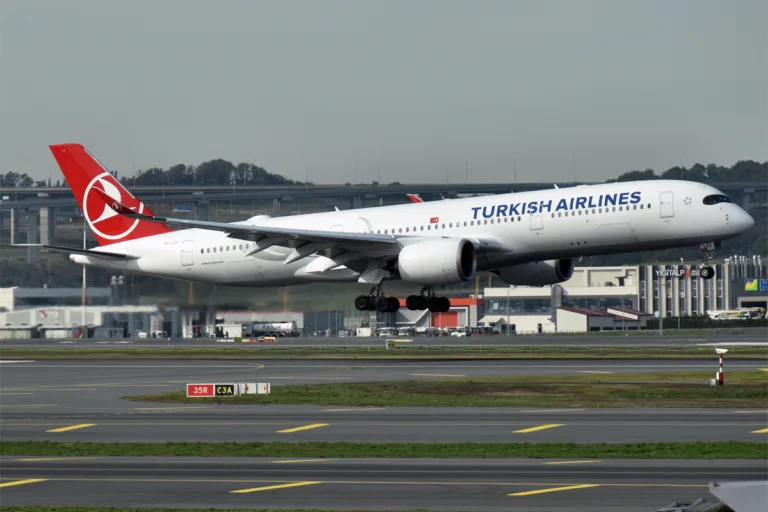
A stretched A350 would respond to airlines seeking more passengers on long-haul routes where airport slots and operational capacity are limited. More seats can reduce the cost per passenger when loads are strong, giving carriers an alternative to adding flights at already busy hubs. However, a larger airframe also brings engineering compromises involving weight, range, ground handling and performance. The economics would depend on individual networks rather than a single promise of lower unit costs.
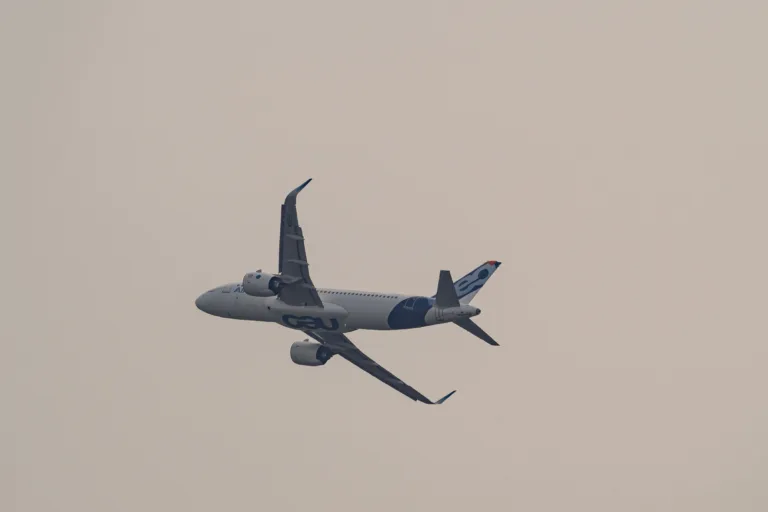
The argument for a larger A220 is different. The current A220 family appeals to operators requiring efficient narrowbody aircraft that can support thinner services and provide passenger comfort on both short and longer sectors. Stretching the jet could offer extra seats without abandoning the design’s underlying appeal. Yet it could also overlap with the lower end of Airbus’s A320neo range, forcing the manufacturer to manage competition between its own products.
Factory capacity could prove more difficult than finding customers. Increasing A350 output to a materially higher level would require Airbus to develop additional assembly capability while ensuring that engines, wings, interiors and smaller components arrive on time. Wagner acknowledged continuing supply-chain pressures, including disputes involving Pratt & Whitney engine deliveries for the A320 family. Seating supply has also affected widebody output. A production target is of little use if one missing component keeps a completed airframe on the ground.
A stretched aircraft is not necessarily a better aircraft for every airline. Range, weight, seat economics and airport constraints all shape the business case, while Airbus must weigh new engineering work against pressure on existing production lines. Expressions of market interest are not firm orders, and neither proposed variant should be treated as launched.
These discussions naturally sharpen the rivalry with Boeing, but it would be premature to portray them as a confirmed product offensive. Airbus must balance investment in derivatives with commitments to deliver its existing backlog and longer-term thinking about a future single-aisle aircraft around 2030. For an airline evaluating a new derivative, certified performance and credible delivery timing matter more than a manufacturer’s enthusiasm.
The most important distinction for readers is therefore simple: Airbus is studying these aircraft, not announcing confirmed launches or firm customer orders. The 14 October comments show where the manufacturer sees potential demand, while revealing how much industrial and financial work would be needed before either project becomes an aircraft that passengers can actually board.
Sources : Reuters, 14 October 2026.
JOIN THE CONVERSATION
Let’s discuss this story.
A question, a clarification or a different perspective? Share it with us.