
Airbus A220 Faces New Canadian Freezing Fog Restrictions
Transport Canada issued two A220 directives effective November 4: one restricts freezing-fog takeoffs and another addresses cabin-pressure outflow-valve control.
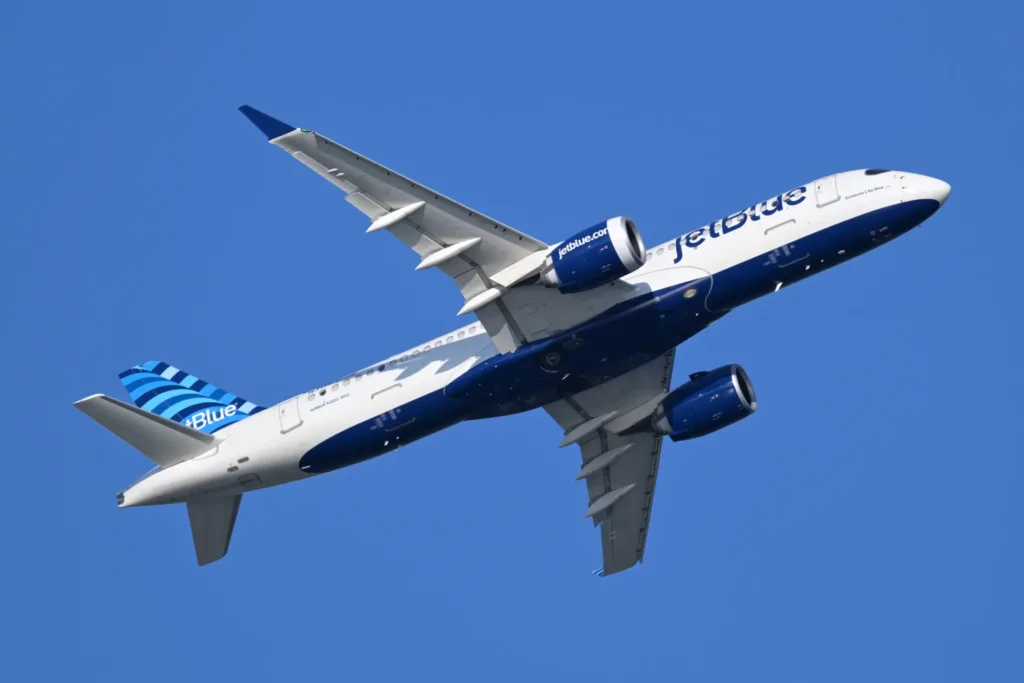
Transport Canada has restricted Airbus A220 takeoffs in dense freezing fog and tightened rules for a cabin-pressure control fault. Both airworthiness directives took effect November 4, 2026. The measures apply to the A220-100 and A220-300 and can affect winter flight planning and aircraft dispatch.
Importantly, the rules address different systems. One targets a possible engine-performance problem during a low-visibility takeoff. The other concerns manual control of the valve that regulates cabin pressure. Neither establishes that every A220 has developed either fault.
A220 takeoffs face a freezing-fog visibility limit
Transport Canada’s directive CF-2026-53, listed by EASA, requires an operating restriction for takeoffs in freezing fog. It prohibits departures under the specified ground-freezing-fog conditions when visibility is below 150 meters, about 500 feet.
Freezing fog contains liquid droplets that freeze when they touch cold surfaces. As a result, these conditions can create ice and affect aircraft engines. Therefore, the restriction aims to prevent a possible loss of thrust during the most demanding part of departure.
However, the measure is not a blanket ban on A220 takeoffs in winter. Instead, the specific weather and visibility conditions determine whether the flight-manual limit applies. Airlines must incorporate the requirement within the compliance period set by the directive.
A separate directive addresses cabin-pressure control
Transport Canada also issued directive CF-2026-54. It amends an earlier requirement concerning the direct-current motor used when the cabin-pressure outflow valve runs in manual mode.
In practice, the outflow valve releases air from the pressurized cabin. Usually, automatic controls regulate this flow. During certain failures or maintenance conditions, crews and technicians may need manual operation. As a result, a motor that cannot move the valve under high pressure differences could prevent effective manual control.
The amended directive therefore addresses aircraft dispatch with relevant equipment faults and the procedures crews must follow. It does not imply that the cabin pressure failed on a named commercial flight.
What Canadian airlines must change
First, operators must review affected aircraft records and update procedures for both directives. For freezing fog, dispatchers and crews must consider the new takeoff limitation against the latest airport weather observations. Therefore, departures may have to wait in those conditions.
For the outflow-valve issue, maintenance personnel must check the applicable equipment and dispatch limitations. Meanwhile, flight crews need current instructions for abnormal pressurization conditions. Importantly, these obligations are separate from routine engine and cabin maintenance.
The directives cover the Airbus Canada BD-500 family, including the A220-100 and A220-300. However, they do not provide a verified airline-by-airline count of grounded aircraft or canceled flights. Therefore, publication of a rule does not support such an estimate.
What passengers can expect this winter
A departure delay may follow when freezing fog falls below the specified threshold. Even so, a passenger should not assume the rule caused a delay without confirmation from the airline. Meanwhile, a technical fault may require a different operational response.
Transport Canada issued both measures as mandatory safety requirements, and EASA’s November 6 safety-publication listing records the November 4 effective dates. For context, AeroSillage has reported on Airbus A220 development plans and Canada’s aviation rules.
Read next
JOIN THE CONVERSATION
Let’s discuss this story.
A question, a clarification or a different perspective? Share it with us.