
Canada Air Traffic Controller Rules Tighten November 2
Canada now requires proficiency checks before controllers return after 180 consecutive days away. New licence training rules apply from November 2, with annual refresher requirements from August 2027.
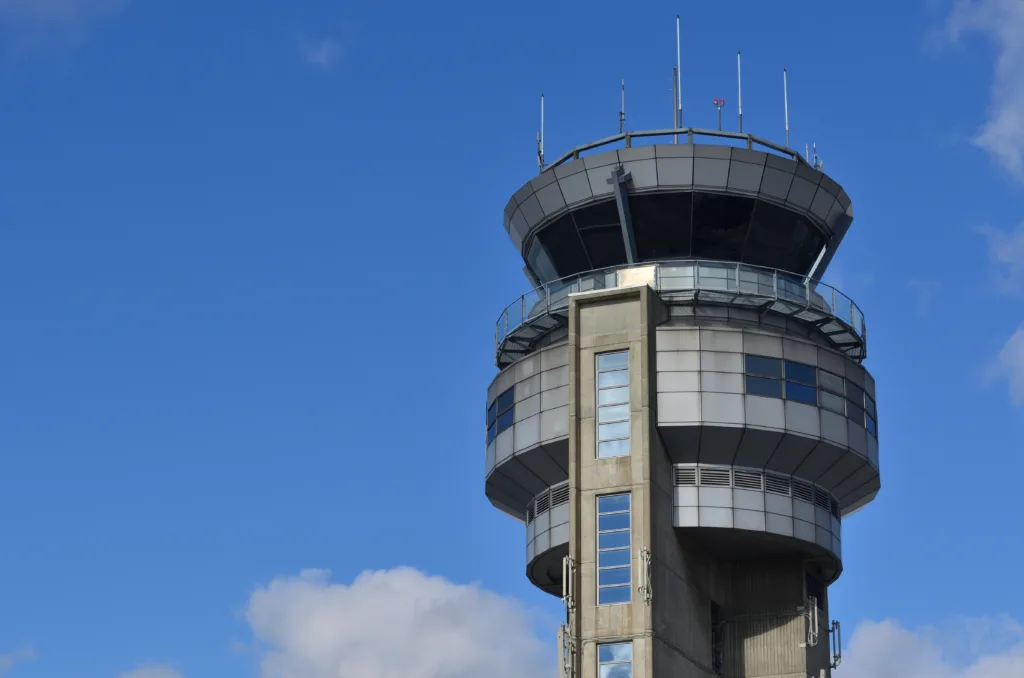
Canada now requires air traffic controllers returning after 180 consecutive days away from work to pass a proficiency check before resuming control duties. The rule took effect November 2, 2026, under Transport Canada’s Interim Order No. 4 (2026).
The overhaul also changes how new controllers qualify and how training providers document competence. Operators must establish formal assessments. However, the order does not mandate airport closures, flight reductions or extra passenger screening.
A proficiency check is required after 180 days away
Under section 13, licensed controllers absent for at least 180 consecutive days cannot exercise their licence privileges at an air traffic control unit until they pass an assessment. That is not an automatic licence cancellation. Instead, it makes a successful check a condition of returning to operational duties.
Controllers must also pass a check before taking responsibility for a new operational area under an existing endorsement. Assessors evaluate knowledge, communication, operational skills and judgment. According to Transport Canada’s Interim Standard 1, the assessment must cover at least four hours in total. Its written knowledge test must contain at least 20 randomized questions.
The standard sets a 70% operational proficiency threshold and an 80% minimum for knowledge tests. In addition, a properly authorized assessor must conduct the check. A controller undergoing a return-from-absence assessment works under the direction of an on-the-job instructor responsible for the position’s safety.
New licence applicants face approved training requirements
From November 2, applicants under section 402.03 of the Canadian Aviation Regulations must submit evidence of an approved controller-training program and a successful proficiency check. This replaces the specified earlier documentation of knowledge requirements, not every existing licensing obligation.
There are transitional protections. Applicants who started training before November 2 do not have to provide the new approved-program document. Nevertheless, the order still requires evidence of the proficiency check. A separate exception covers certain trainees who completed prescribed theoretical training and examinations before that date.
For trainees entering the new system, Interim Standard 2 sets out classroom, specialty and supervised operational training. The proficiency check comes after required practical training and before a provisional licence.
Training organizations must demonstrate compliance
Transport Canada requires providers to hold approved training organization certificates and operate approved programs. For air traffic services operators, the order also requires proficiency checks developed to a national standard.
Qualified assessors act on the minister’s behalf. Meanwhile, certificate holders must submit recommended assessor lists to Transport Canada and maintain processes for sharing operational updates. They must also confirm that controllers understand new instructions.
That adds specific administrative responsibilities: documented assessments, approved training and records of controllers’ understanding. It does not establish how many extra staff or training hours each provider will need.
Annual refresher training becomes mandatory in 2027
A later provision takes effect August 31, 2027. From then, controllers must have completed recurrent training within the previous 12 months before exercising licence privileges at an air traffic control unit. This requirement is separate from the 180-day absence rule.
For passengers, there are no new airport procedures to follow. Transport Canada’s order also gives no projected figures for delays, controller staffing or runway capacity. Any operational effects will depend on how service providers manage training and assessments.
AeroSillage has separately reported on the FAA’s cockpit observation training for U.S. controllers and the FAA’s planned digital departure-clearance rollout. Those are distinct U.S. initiatives, not provisions of Canada’s rule.
Read next

JOIN THE CONVERSATION
Let’s discuss this story.
A question, a clarification or a different perspective? Share it with us.