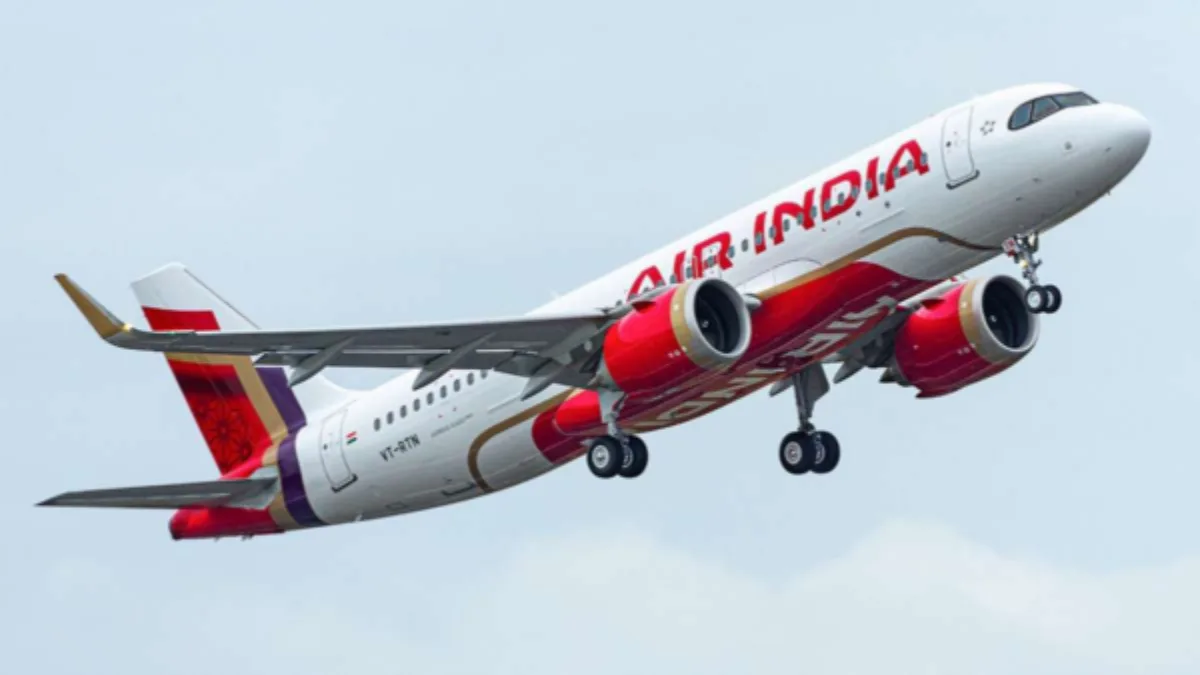
The Air India A320 hydraulic event is important because investigators are dealing with an unusual sequence: indications of pressure loss in all three hydraulic systems within seconds, followed by a sudden aircraft upset that injured 24 people.
The preliminary report describes the event, not the cause
The Indian Aircraft Accident Investigation Bureau recorded the rapid warnings, autopilot disconnect and altitude deviation. But the report does not yet establish why the three systems showed pressure loss so close together.
Cabin injuries became the most immediate consequence
The seat-belt sign was not illuminated when the aircraft moved abruptly. Passengers and crew were thrown against cabin surfaces, resulting in 24 injuries and the event being reclassified as an accident.
Why investigators will look beyond the hydraulic indications
Multiple simultaneous warnings can result from a common technical cause, a sensor or electrical issue, or another system interaction. The final investigation therefore needs to separate what the aircraft displayed from the root cause.
No premature conclusion on Airbus
The preliminary report did not issue a technical recommendation against Airbus. Air India is cooperating and supplying operational and maintenance records.
AeroSillage view: the correct reading is caution. The unusual sequence deserves close follow-up, but a preliminary report is not a final technical diagnosis.
Sources
Aircraft Accident Investigation Bureau of India; Reuters, September 4, 2026.

Leave a Reply