Air France-KLM’s 60.5% SAS takeover plan faces regulatory review
Air France-KLM plans to increase its holding in SAS from 19.9% to 60.5%. Regulatory clearance and other closing conditions remain outstanding.
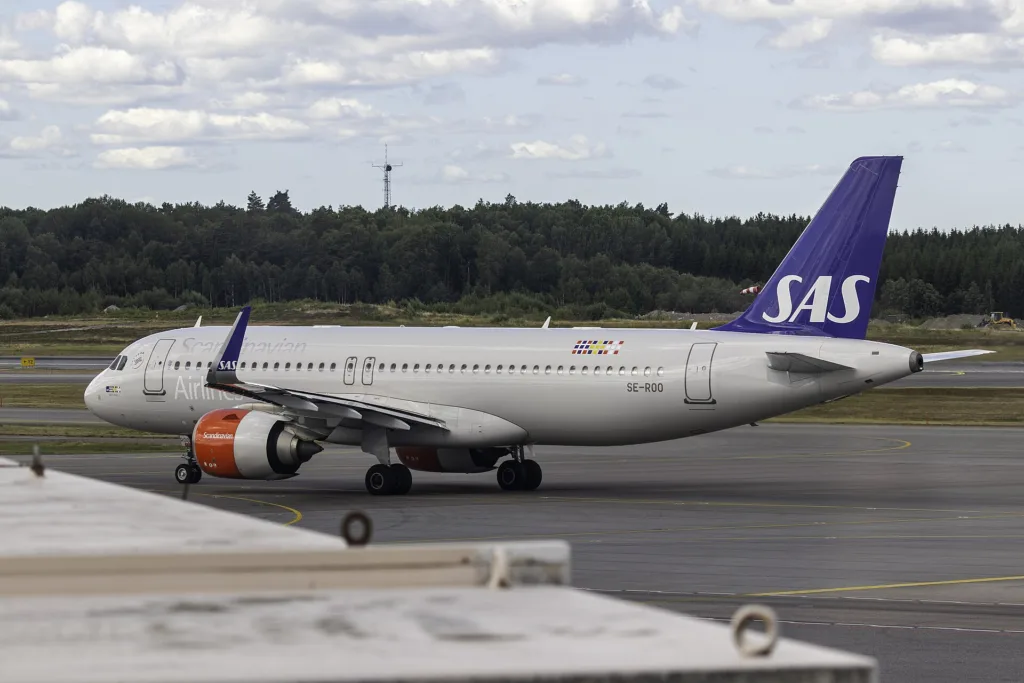
Air France-KLM plans to take a 60.5% stake in SAS, turning its existing minority investment into majority control of the Scandinavian airline. The proposed transaction has not closed: as of 22 October 2026, regulatory clearance and other conditions remain outstanding. The change would move the partnership beyond an airline alliance and bring SAS under the Franco-Dutch group’s corporate control.
The effort has gained fresh strategic significance following Portugal’s decision on 14 October to select Lufthansa in the bidding for TAP Air Portugal. The two deals are separate, but the comparison highlights how Europe’s largest airline groups are competing to deepen their networks. SAS offers Air France-KLM a relatively advanced consolidation project, with potentially far-reaching implications for northern European connections and passenger loyalty programmes.
How a minority investment could become control
Air France-KLM announced its intentions on 4 July 2025. It already owns 19.9% of SAS and plans to buy the complete holdings of Castlelake and Lind Invest. The additional 40.6 percentage points would raise its stake to 60.5%, giving the group majority control and most seats on the SAS board. Denmark’s government would retain 26.4%, while other shareholders would hold the remaining 13.1%.
That is not a takeover of every share, nor is it an announced merger of the Air France, KLM and SAS brands. Ownership, management control and the future commercial identity of an airline are different questions. The price is also not yet a confirmed figure: the group has said it will be calculated at closing, taking account of SAS’s most recent performance, including EBITDA and net debt.
Air France-KLM initially targeted completion in the second half of 2026, subject to regulatory authorisations and the satisfaction of other conditions. In February, chief executive Benjamin Smith was still aiming to raise the stake by year-end, according to CAPA. That is a target, not a commitment that a closing will happen on a particular date.
The proposed 60.5% holding would give Air France-KLM majority control, but the group has not announced completion of the transaction.
The proposed takeover in numbers
From 19.9% to a proposed 60.5%. Air France-KLM plans to acquire Castlelake’s and Lind Invest’s holdings, adding 40.6 percentage points to become SAS’s majority shareholder.
26.4% for the Danish government. That is its expected holding after the deal, with another 13.1% remaining in the hands of other shareholders.
Control remains conditional. Closing was targeted for 2026 but depends on regulatory clearance and other requirements. These figures describe the proposed transaction, not a completed takeover.
Why SAS matters beyond its Scandinavian network
The appeal of SAS extends beyond the number of cities on its route map. Its established presence in Copenhagen, Stockholm and Oslo provides access to markets combining domestic travel, corporate demand and long-haul connections. Air France-KLM already has major hubs at Paris Charles de Gaulle and Amsterdam Schiphol. The strategic task would be to coordinate those networks with SAS rather than simply add another airline to its portfolio.
The three carriers have been working more closely since summer 2024 through codeshare and interline agreements. SAS joining SkyTeam further strengthened that relationship. Majority ownership could allow much deeper integration across commercial operations, strategic planning and frequent-flyer programmes. But it does not follow that all routes, schedules or booking rules would change immediately after the deal.
SAS’s recovery is central to the investment case. The airline completed its US Chapter 11 proceedings and its Swedish restructuring in August 2024. Its 2025 annual report describes the ownership structure that emerged: Castlelake, the Danish state, Air France-KLM, Lind Invest and other investors. The proposed transaction builds on that earlier restructuring; it is not a newly announced emergency rescue.
For passengers, a closer relationship could eventually offer smoother itineraries, more coherent connections and better recognition of loyalty benefits across the networks. Such advantages remain prospects rather than confirmed new entitlements. There is no basis at this point to promise cheaper tickets or an immediate increase in services on specific routes.
Competition authorities also have a substantive role. Control of SAS would strengthen Air France-KLM’s position in northern Europe while Lufthansa Group, IAG and other operators pursue their own strategies. Regulators must assess what that concentration means in the relevant markets, and approvals could be subject to conditions. No specific remedy should be treated as agreed without a formal decision.
The distinction between intention and completion is decisive. As of 22 October, the ambition to take SAS to 60.5% ownership is firmly documented, but a completed acquisition is not. The next genuine milestones are regulatory decisions, the final valuation and a closing announcement. Only then would SAS become a majority-controlled Air France-KLM subsidiary in fact, rather than in prospect.
Sources: Air France-KLM, 4 July 2025; SAS, 4 July 2025; SAS 2025 annual report; CAPA, 20 February 2026.
Read next

JOIN THE CONVERSATION
Let’s discuss this story.
A question, a clarification or a different perspective? Share it with us.