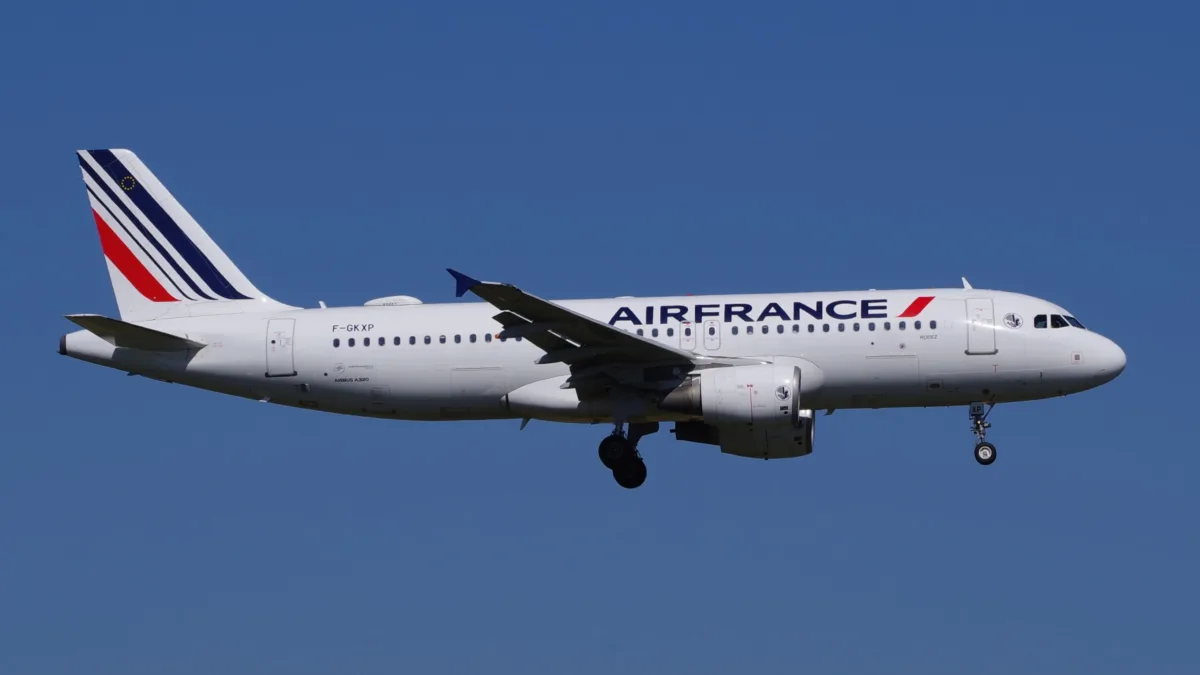
Air France’s 2026 Paris strategy is increasingly built around one idea: concentrate network connectivity at Charles de Gaulle and let Transavia handle more point-to-point flying from Orly.
For international travellers, the shift matters because it changes where connections are built, which Paris airport is most useful for onward travel and how the group allocates short-haul feed into its long-haul network.
CDG is being reinforced as the connection engine
Air France planned close to 170 destinations in 73 countries for summer 2026, with long-haul capacity up 2%. Consolidating most Paris operations at Charles de Gaulle strengthens the hub by feeding more domestic and regional passengers into the same long-haul bank structure.
That can simplify through-connections for travellers arriving from Toulouse, Nice, Marseille and other French cities, especially when their final destination is outside Europe.
Orly is becoming more clearly point-to-point
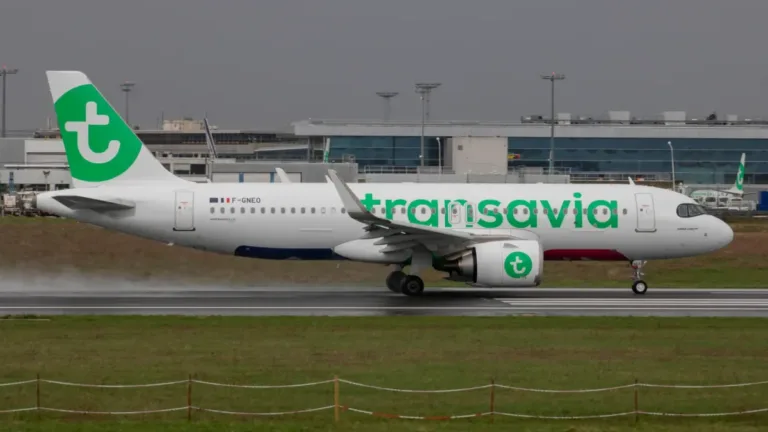
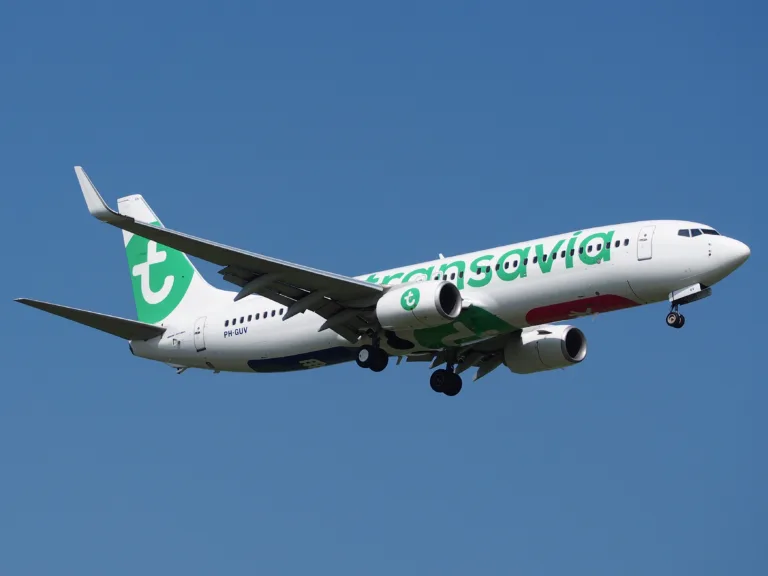
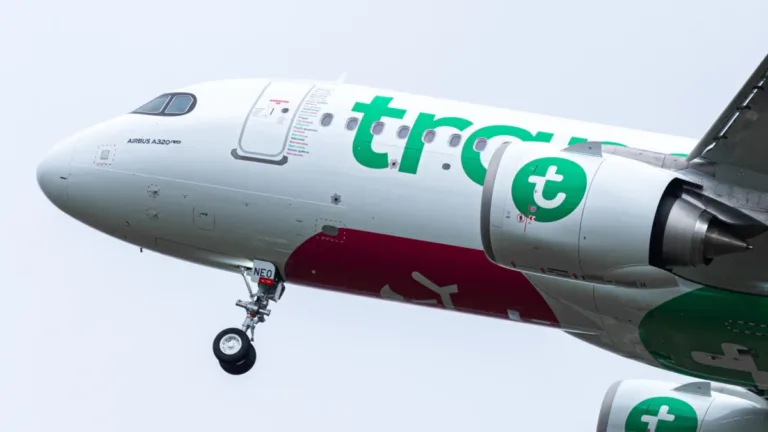
Transavia is taking a larger share of domestic flying from Orly, with high frequencies to cities such as Toulouse and Nice. This gives the airport a more clearly low-cost and leisure-oriented role inside the group.
The split reduces overlap between the two Paris airports and allows Air France-KLM to match product and cost structure more closely to the type of journey being sold.
Why the strategy matters beyond France
International passengers often choose between Paris, Amsterdam, Frankfurt, London and Istanbul based on connection quality rather than simply the first flight segment. A denser CDG hub strengthens Air France’s ability to compete for that transfer traffic.
At the same time, Transavia’s growth gives the group a lower-cost tool for markets where passengers are more price-sensitive and less dependent on connecting itineraries.
Morocco is one of the clearest examples
Air France is increasing service to Marrakech and Rabat, with up to four daily flights from CDG. These routes mix leisure demand, business travel and visiting-friends-and-relatives traffic, making them useful to both the hub model and the group’s wider North African strategy.
What passengers should pay attention to
The main practical issue is airport choice. Some journeys that were historically associated with Orly may now be better served through CDG, while Transavia increasingly handles direct leisure and domestic traffic from Orly.
AeroSillage view: Air France is not simply moving flights between airports. It is sharpening the roles of CDG and Orly so that one maximises connectivity while the other supports lower-cost point-to-point growth.
Related: Air France at Orly: how far will the shift to Transavia go?.
Source
Air France, summer 2026 programme.
Leave a Reply