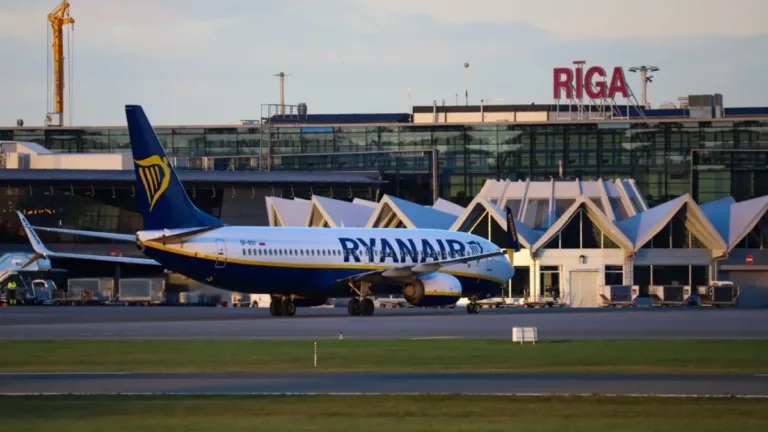
Wizz Air and Ryanair eye European expansion as weaker airlines face pressure
Wizz Air is talking to airports across Europe as pressure on weaker airlines raises the prospect of route and slot opportunities.
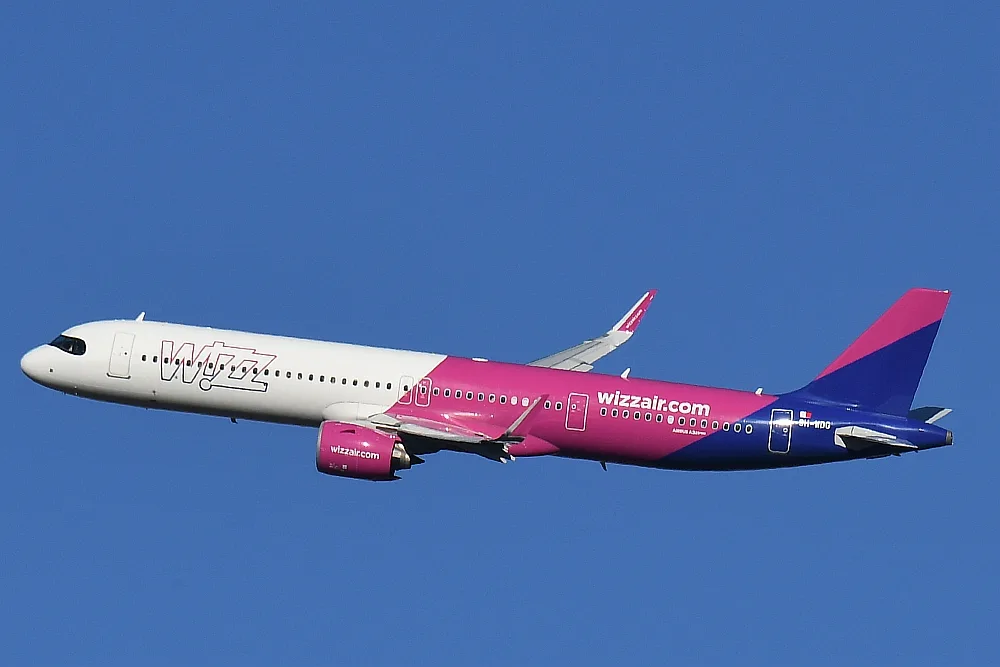
Europe’s airline market could be reshaped if financially weaker operators retreat. Wizz Air said on 13 October 2026 that it was holding talks with airports across Europe to assess potential expansion opportunities, as higher fuel costs and geopolitical uncertainty put pressure on vulnerable rivals. Ryanair has expressed similar ambitions.
Negotiating before opportunities emerge
Speaking to Reuters at the World Aviation Festival in Lisbon, Wizz Air chief corporate officer Owain Jones described airport negotiations as a routine part of the airline’s business. The wider context matters: if an airline ceases operating a route or reduces its presence, competitors may seek to deploy aircraft where demand remains.
That does not mean slots are simply transferred to whichever carrier is first to ask. At coordinated airports, slot allocation follows specific rules. Commercial agreements with airport operators and the regulatory process for securing scarce take-off and landing times are distinct matters.
A renewed focus on core European markets
Central and Eastern Europe remains central to Wizz Air’s strategy. The company is also exploring growth in Italy and new bases in Spain as it concentrates resources on markets where it sees stronger opportunities. Ryanair, meanwhile, has been expanding its reach in European regions where competitors have been under pressure.
For airport operators, replacing lost capacity can help preserve connectivity, passenger volumes and local economic activity. For airlines, entering an established market can offer an advantage over building demand from scratch, but only when schedules, operating costs and airport conditions are attractive.
The Baltic market provides a concrete example of how competitors are positioning themselves. Reuters reported that airBaltic filed for Chapter 11 bankruptcy protection in September and that Ryanair subsequently announced new Baltic routes, alongside a goal of doubling its passenger traffic in the region over five years. Chapter 11 proceedings should not be equated with an immediate cessation of operations.
Access to commercially attractive airport slots can be an important competitive asset, particularly at congested airports. Yet a withdrawn route does not automatically produce slots that a rival can claim. Allocation rules, operating commitments and demand all influence what capacity can actually be redeployed. The real impact of today’s talks will only become visible as route launches and schedules are announced.
airBaltic illustrates how potential market disruption can attract rivals. Reuters reported that the Latvian carrier entered US Chapter 11 proceedings in September, while Ryanair announced additional Baltic routes and a five-year ambition to double passenger traffic in the region. Restructuring protection should not be confused with an immediate liquidation or an automatic cancellation of all services.
Slot allocation at coordinated airports follows established rules. A company abandoning a route does not mean its preferred departure time can simply be handed to another operator. Any replacement service also needs aircraft, crews, airport facilities, regulatory clearance and enough demand to be viable. An early-morning slot at a congested hub may have very different commercial value from capacity at a lightly used regional airport.
Travellers should therefore watch published timetables rather than assume today’s negotiations will create cheaper flights tomorrow. A new entrant can strengthen price competition, but the exit of an incumbent may initially leave fewer choices. Frequency, luggage charges, flight times and access to the airport must be considered alongside the advertised fare when assessing the true impact.
What this could mean for fares
Passengers should not assume that market consolidation will automatically deliver lower fares. A new entrant may intensify price competition, while the disappearance of an incumbent can reduce choice. Outcomes will vary by airport and individual route.
The current talks are therefore best understood as positioning for potential changes rather than confirmed acquisitions of specific airport slots. The decisive question will be how much capacity actually becomes available — and which operators are able to deploy it profitably.
Airport talks do not mean that specific slots have been acquired. At coordinated airports, take-off and landing slots are allocated under formal rules, and a rival’s reduction in flying does not automatically transfer those rights to Wizz Air or Ryanair. The distinction between positioning for an opportunity and securing it is crucial.
Passengers could see competing effects if weaker operators withdraw. A low-cost entrant may preserve nonstop access and put downward pressure on fares, but revised schedules can also remove useful connections or reduce flexibility. The outcome depends on the actual routes, frequencies and airports involved, not simply on which airline expands.
Why a rival’s troubles do not automatically hand over slots
The comments made in Lisbon do not mean Wizz Air has acquired specific slots from another airline. At coordinated airports, allocation follows established procedures, including rules for historic use and seasonal scheduling. At airports where runway capacity is less constrained, the opportunity may instead concern commercial terms, terminal capacity or an underserved destination. Treating those distinct situations as identical would overstate what has actually been announced.
Airlines cannot instantly replace every service that a struggling rival cuts. They need aircraft and crews, regulatory permissions, airport handling capacity and sufficient passenger demand. An attractive peak-time departure at a congested airport can be far more valuable than an off-peak movement elsewhere. Negotiations are therefore evidence of strategic positioning, not proof that particular new routes will operate.
For travellers, the consequences will become clear when airlines publish schedules and fares. A retreating operator can leave a temporary connectivity gap even if a competitor intends to enter. Increased seat supply may later improve choice or put downward pressure on prices, but the outcome depends on frequency, airport location and ancillary charges as well as headline fares. Comparing only the cheapest advertised ticket may obscure the actual effect on passengers.
For a broader view of the consolidation scenarios facing carriers across the region, see AeroSillage’s analysis of European airlines that could lose their independence.
Source: Reuters, 13 October 2026.