
WestJet 737 Hits Catering Truck During Toronto Pearson Tow
A WestJet Boeing 737 struck a parked catering truck during an overnight tow at Toronto Pearson on October 27, 2026. No one was injured; the damage and aircraft downtime remain unconfirmed.
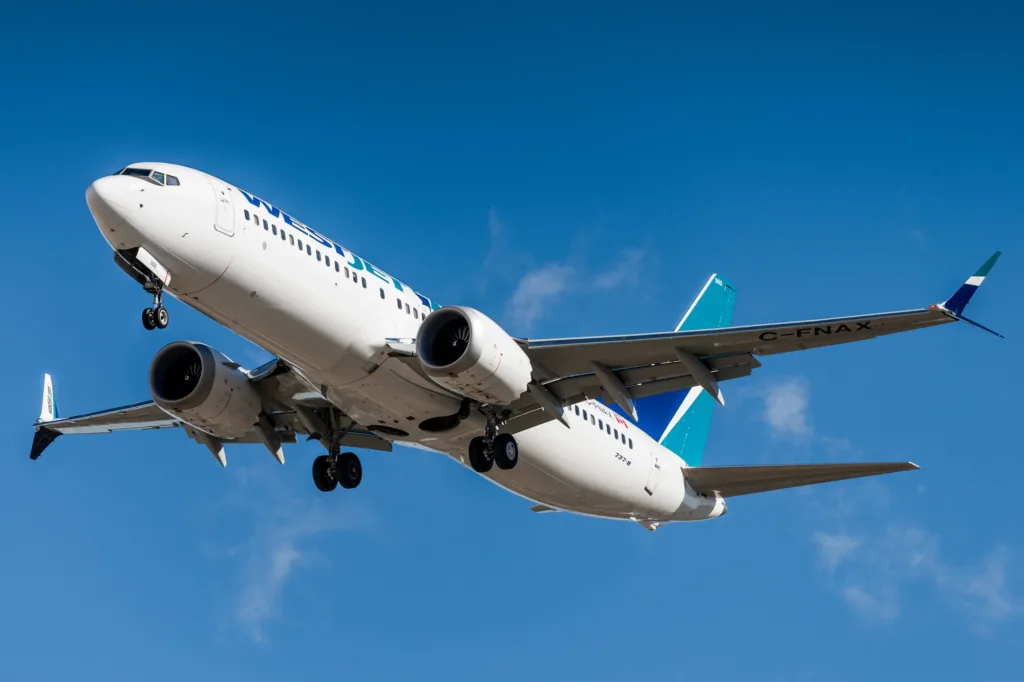
A WestJet Boeing 737 struck a parked catering truck during an overnight towing operation at Toronto Pearson International Airport on October 27, 2026. Nobody was injured. The aircraft had no passengers or flight crew aboard, according to statements from WestJet and Canada’s Transportation Safety Board (TSB).
It happened shortly before 8:15 p.m. local time. WestJet said the aircraft’s winglet, a vertical extension at the wingtip, contacted the truck. Meanwhile, the TSB confirmed that the jet was being moved under tow, with no flight planned. Global News reported both organizations’ statements on October 28.
WestJet 737 was being towed, not taxiing
The Boeing 737 was moving from a gate toward an overnight parking position. A ground vehicle was towing the airplane rather than its pilots moving it under engine power.
That detail corrects early accounts that described the jet as taxiing. According to WestJet, the winglet contacted a catering truck parked nearby. The TSB said the move had no intention of flight.
WestJet has not publicly established why the aircraft and truck came into contact. Therefore, the available evidence does not assign responsibility to a tug driver, a catering worker or an airport operator.
No injuries, and Pearson reported no airport disruption
The TSB reported no injuries and said it was collecting information. However, the agency did not plan to deploy investigators to Toronto Pearson, according to Global News.
Separately, Toronto Pearson said airport operations were unaffected, Travel Market Report reported. That does not establish whether WestJet later changed the schedule of the individual aircraft.
Neither WestJet nor the TSB supplied a confirmed repair bill or a return-to-service date in the public statements reviewed. Without verified maintenance records, claims about aircraft downtime or cancelled passenger flights would be speculative.
Why contact with a winglet matters
A winglet helps reduce aerodynamic drag. Even at towing speed, a collision involving that structure can require an engineering inspection before the aircraft flies again.
Still, the extent of damage at Pearson has not been independently established. No source reviewed confirmed that the winglet needed replacement or that the catering truck was rendered unusable.
Ground movements create a different safety challenge from runway operations. Aircraft wings extend far beyond the towing vehicle, while catering trucks, service equipment and parked airplanes share limited apron space.
AeroSillage previously covered a Delta-Air Canada ground collision at Los Angeles. That event involved taxiway movements, not the overnight towing conditions reported in Toronto. Another separate case involved unauthorized use of an airport tug at John Wayne Airport, highlighting different equipment-access risks.
What remains unconfirmed
The established facts are limited but clear: a towed WestJet 737 touched a parked catering truck at Toronto Pearson, and nobody was hurt. Investigators were not deployed, although the TSB gathered information.
As of the available statements, the aircraft’s registration, its precise damage, any maintenance downtime and fault findings have not been confirmed by the airline or the TSB. Further claims should await their documentation.
Read next
JOIN THE CONVERSATION
Let’s discuss this story.
A question, a clarification or a different perspective? Share it with us.