United Airlines UA168 Diverts to Athens After Cabin Odor
United flight UA168 diverted to Athens after a cabin odor on November 9. The Boeing 787-9 landed safely, while passengers faced an uncertain onward journey to Newark.
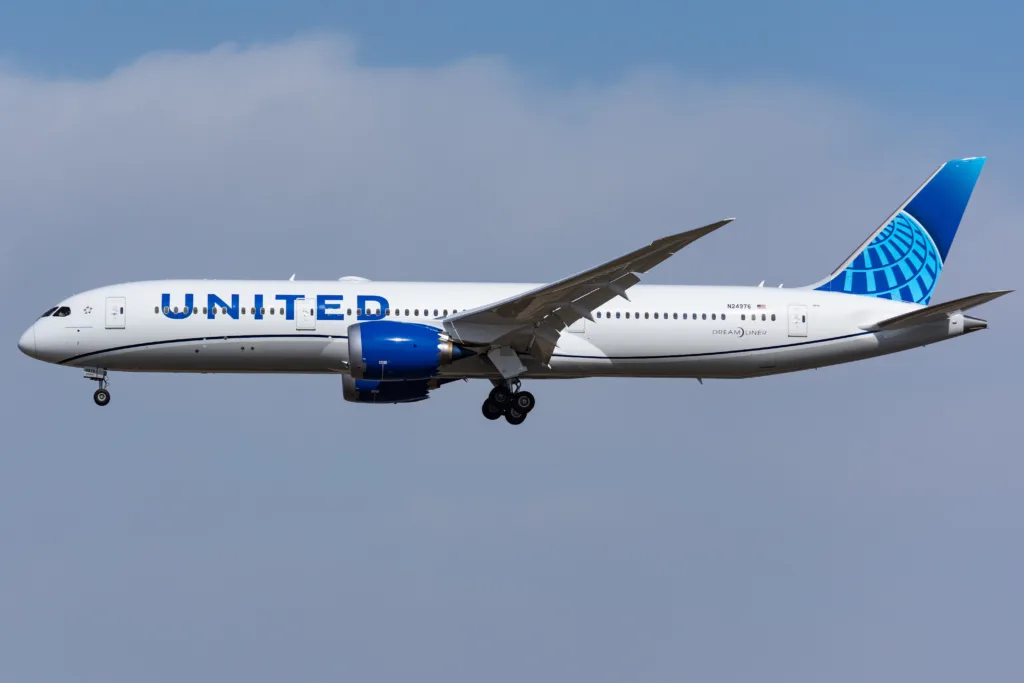
United Airlines flight UA168 diverted to Athens on November 9, 2026, after an unusual cabin odor disrupted its journey from Tel Aviv to Newark. The Boeing 787-9 landed safely at Athens International Airport. Passengers disembarked normally, and United said it was arranging another aircraft to take them to Newark. The cause of the odor remains unknown.
United confirms a safe diversion and replacement plan
United confirmed the emergency landing in a statement reported by the Daily Express. The airline said the crew diverted because of an odor in the cabin. It also confirmed that passengers left the aircraft normally.
The diversion interrupted a nonstop journey to Newark Liberty International Airport, which serves the New York metropolitan area. Travelers therefore needed new flight arrangements rather than a routine arrival in New Jersey. United said it was arranging a different aircraft, but did not confirm its departure or arrival in the statement reviewed.
Israel National News reported 230 passengers and 13 crew members, or 243 people in all. However, United’s publicly quoted statement did not independently specify those numbers. No injuries were reported by that outlet.
Flight UA168 turns toward Athens over the Mediterranean
UA168 departed Tel Aviv’s Ben Gurion Airport on its scheduled service to Newark. The aircraft was a Boeing 787-9 registered N24993, according to Israeli aviation publication PassportNews. Instead of continuing toward the Atlantic crossing, the flight diverted to Athens.
PassportNews reported that the aircraft transmitted the emergency code 7700. This is a general alert that tells air traffic control the crew needs priority assistance. However, the code does not reveal the cause of the emergency or prove there was a fire.
According to AeroCorner’s account of flight-tracking data, the Boeing landed at 2:51 a.m. Athens time on Monday, November 9. It was still Sunday evening in New York. Therefore, reports using U.S. and Greek local dates can appear to describe different days.
An odor prompted a landing, but its source is unknown
Some initial accounts described a smell resembling smoke or burning material. United, however, confirmed only an odor in the cabin. No verified technical report has identified a failed component, electrical fault or onboard fire.
The crew ended the flight at a suitable airport rather than continue the ocean crossing. This allowed maintenance personnel to examine the jet on the ground. Meanwhile, the diversion removed N24993 from its intended journey and disrupted the original passenger schedule.
Israeli outlet Ynet reported a maintenance inspection after the landing. Nevertheless, the available public information does not establish when the aircraft will return to service. Reports of fuel dumping have also not been independently confirmed.
Other cabin-air incidents show why airlines sometimes interrupt flights before reaching their destinations. For example, a Delta flight returned to Atlanta following a smoky odor. Another Delta transatlantic flight diverted to Porto after cabin smoke. Neither case establishes what caused the odor aboard UA168.
Replacement travel and Newark arrival remain unconfirmed
Passengers who expected to arrive in Newark instead had to await arrangements in Athens. A substitute aircraft may require an available crew, another departure slot and revised connections. Thus, a safe landing can still mean substantial disruption for travelers.
United announced a replacement-aircraft plan, but its initial statement did not provide a confirmed onward departure or final arrival time. Therefore, it remains unclear when each traveler completed the journey to Newark.
Travelers should confirm their revised itinerary directly with United and retain receipts for essential expenses. Since UA168 departed Israel on a U.S. airline, EU Regulation 261/2004 does not automatically apply merely because the aircraft diverted to Greece. Assistance and reimbursement depend on the applicable rules and individual itinerary.
The verified outcome is a safe landing and normal disembarkation. However, three questions remain unresolved: the odor’s cause, the Boeing’s maintenance status and completion of the passengers’ journey.
Read next
JOIN THE CONVERSATION
Let’s discuss this story.
A question, a clarification or a different perspective? Share it with us.