UPDATE: September 11, 2026. A flight plan containing erroneous data and submitted by a British military aircraft may have triggered the major NATS system failure on September 8, according to people familiar with the matter cited by the Financial Times. NATS has not yet published its final report, and the UK Civil Aviation Authority’s independent investigation remains under way.
Based on the information available, the issue was not that the aircraft was military, but how particular flight-plan data were processed by the system. The entry is reported to have triggered a chain of anomalies in the flight-processing platform and several restart attempts.
The emerging explanation raises a broader resilience question: an abnormal flight plan should not normally be able to cause disruption on this scale.
More than 2,000 flights cancelled
The September 8 failure caused one of the UK’s largest air-traffic disruptions in recent years. Cirium estimates cited by Reuters and British media put cancellations at close to 2,100 flights over two days, including about 1,750 on September 8. Roughly 330,000 passengers were affected.
Heathrow was the biggest pressure point, with more than 500 flights cancelled on the day of the outage. British Airways, Ryanair, easyJet, Wizz Air and foreign carriers all faced cancellations, diversions and knock-on delays.
Several restart attempts were needed
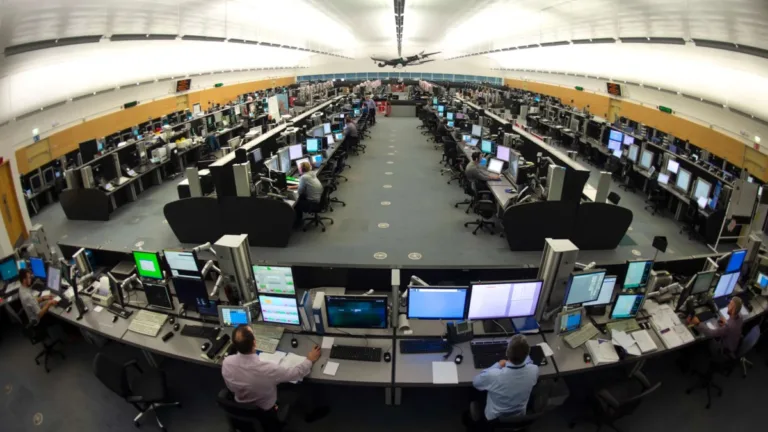
The Financial Times reported that alerts appeared at a NATS control centre shortly before 1 p.m. Departures were suspended at several London airports within minutes before restrictions spread across the wider UK network.
Several attempts to restore the system reportedly failed to bring it back immediately. Full recovery came only after several hours, by which point aircraft had already been grounded, held or diverted to European airports.
NATS under political and industry pressure
Transport Secretary Heidi Alexander asked NATS chief executive Martin Rolfe for a full report on the failure and its causes. The Civil Aviation Authority is also carrying out an independent review of the resilience of the UK air-traffic-control system.
Ryanair and Wizz Air renewed criticism of NATS and called for deeper reform.
No evidence of a cyberattack
The UK government and NATS continue to say there is no indication of a cyberattack. The exact cause and sequence of failures remain subject to investigation.
Sources
Financial Times; Reuters; NATS; Civil Aviation Authority; Department for Transport; Cirium; Heathrow Airport.
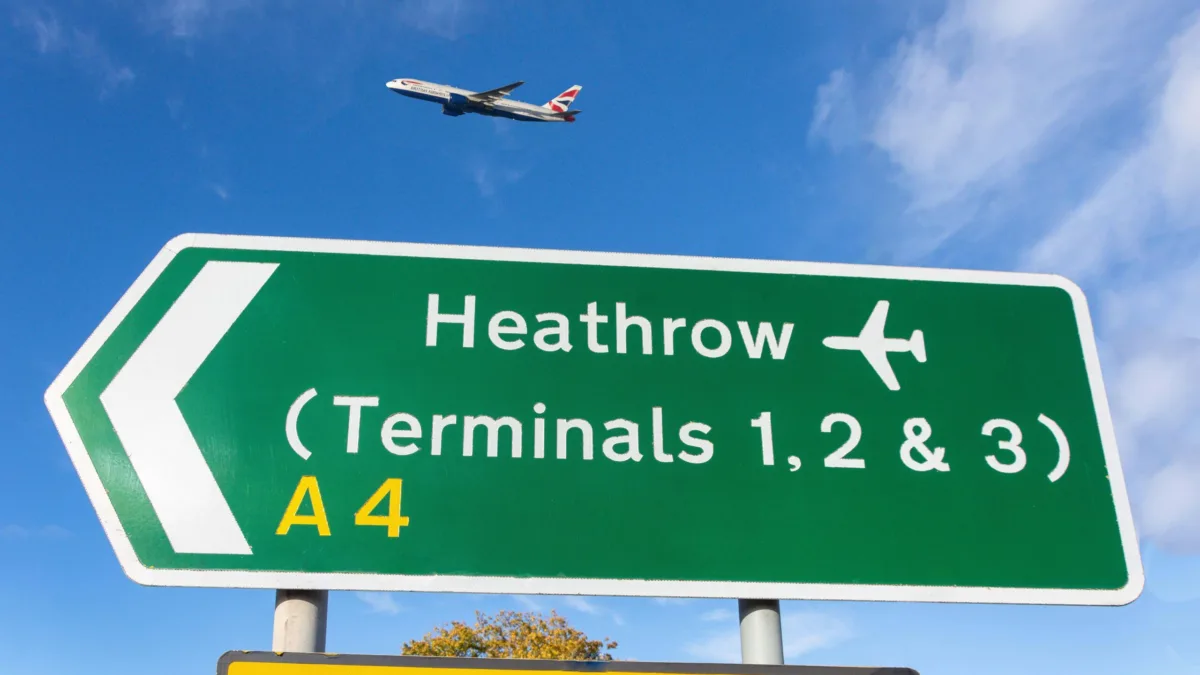
Featured image: London Heathrow Airport. Credit: Unsplash / CabService London.
Related: UK NATS suffers another air traffic control outage, for the later disruption that again raised questions about system resilience.

Leave a Reply