
UK ETA and ETIAS Rules for U.S. and Canadian Travelers
U.S. and Canadian travelers generally need a UK ETA for visits to Britain, while Europe's ETIAS has not opened. Here are the verified fees, exemptions and transit rules.
UK ETA and ETIAS rules affect U.S. and Canadian travelers differently: most eligible visitors need a £20 authorization for Britain now, while Europe’s €20 ETIAS service has not opened. The United Kingdom already requires an Electronic Travel Authorisation (ETA) for most short-stay visitors from both countries. Europe’s ETIAS system, however, is not accepting applications as of October 31, 2026.
For a trip covering Britain and continental Europe, the distinction affects applications, payments and passport requirements. The UK Home Office sets its own rules; the European Commission oversees the separate European Travel Information and Authorisation System (ETIAS).
| Requirement | UK ETA | EU ETIAS | EU EES |
|---|---|---|---|
| Status on Oct. 30, 2026 | Required for most eligible U.S. and Canadian visitors | Not yet accepting applications | Border checks already operating |
| Cost | £20 per person | €20 once launched, with fee exemptions | No separate application fee |
| Validity | Two years or passport expiry | Three years or passport expiry | Not a travel authorization |
| Where it applies | United Kingdom | 30 participating European countries | 29 Schengen countries |
UK ETA is mandatory for most American and Canadian visitors
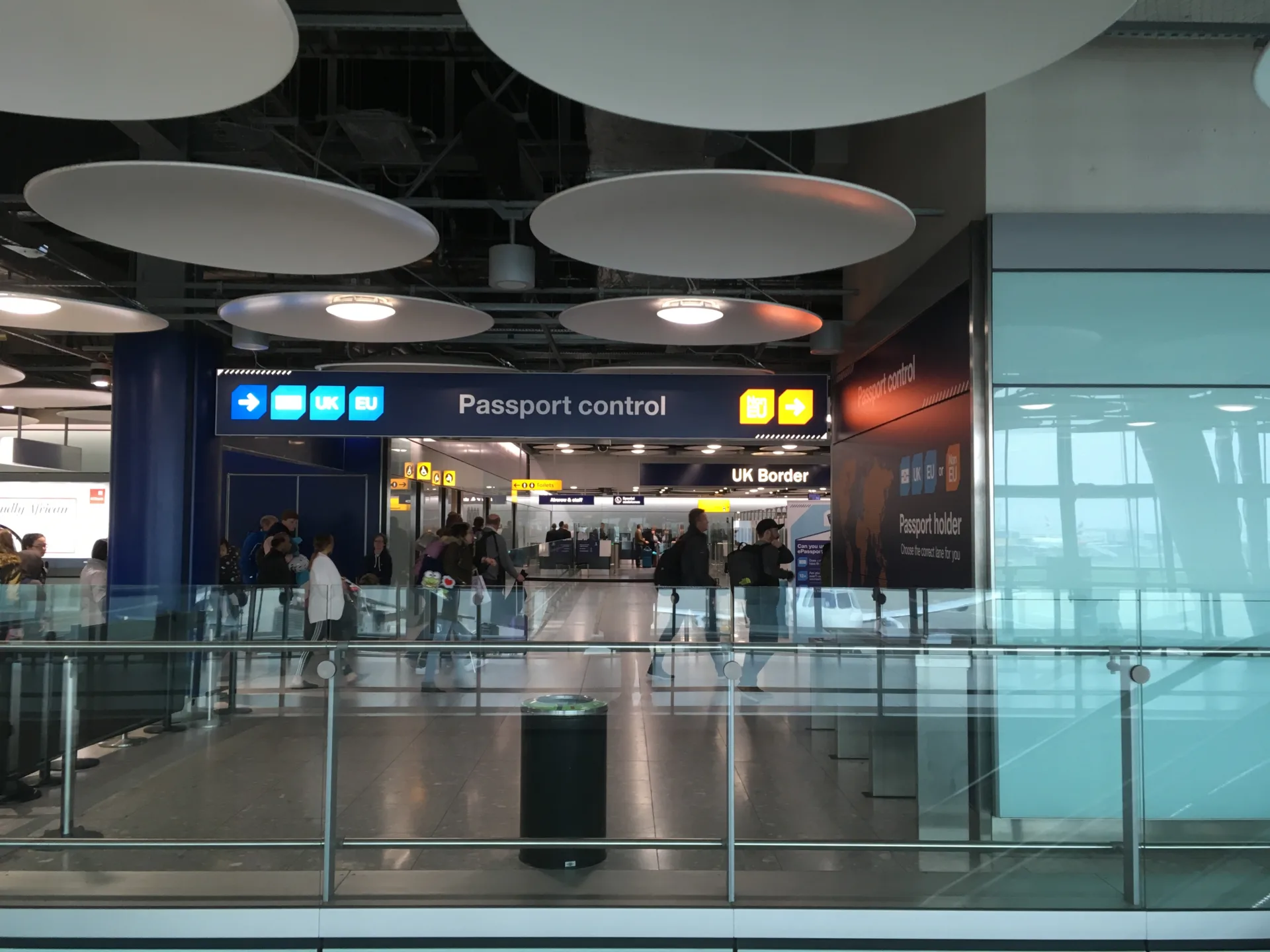
Since February 25, 2026, airlines have enforced advance UK travel authorization for eligible visa-free visitors. U.S. and Canadian passport holders normally need an ETA before flying to the United Kingdom for tourism, family visits or permitted business. Specific exemptions apply. The British government says carriers check for the authorization before boarding.
An ETA currently costs £20 per person, including for children. It allows multiple visits and remains valid for two years or until the applicant’s passport expires, whichever happens first. Each eligible visit can last up to six months for permitted purposes. An ETA is permission to travel, not a guarantee of admission at the UK border. See the UK government’s ETA guidance.
How to apply and avoid paying an intermediary
Travelers can apply through the official GOV.UK ETA service or the UK ETA app. The application requires the passport intended for travel, a face photograph, an email address and a payment method. Most applicants receive a decision within a day, according to the UK government, which recommends allowing up to three working days. Travelers must receive confirmation before departure.
The approval links electronically to the passport used in the application. A replacement passport therefore requires a new ETA. The government also warns that third-party services may charge more without providing a faster decision. Families need a separate ETA for each eligible traveler, including infants.
London connections and dual nationality can change the answer
Under the current transit exemption, travelers who remain airside and avoid UK passport control normally do not need an ETA. By contrast, entering through UK border control normally requires an ETA. That can include baggage collection or self-transfer connections. The Home Office exemption list explains the distinction. Passengers should confirm their actual connection arrangement with the operating airlines.
British and Irish citizens cannot use the ETA system instead of their citizenship documents. A U.S.-British or Canadian-British dual citizen should travel with a valid British passport or the relevant certificate of entitlement. The Canadian government specifically warns that affected dual nationals could face boarding problems if they rely only on a Canadian passport. People who already have qualifying UK immigration permission or a visa generally do not need an ETA.
The Republic of Ireland has separate entry rules and is not part of the United Kingdom. Traveling onward to Northern Ireland can involve UK requirements, even when a trip begins in Dublin. An exemption applies in certain circumstances to people lawfully resident in Ireland who travel from within the Common Travel Area; a visitor arriving from North America should not assume that exemption covers them.
EU ETIAS has not opened for applications
For Americans and Canadians visiting France, Spain, Italy or other participating destinations, the key date remains unconfirmed. The European Union says ETIAS is not operational and is accepting no applications. Earlier EU material targeted the final quarter of 2026. However, the EU’s current official ETIAS portal says it will announce the precise launch date in advance. Travelers should not submit personal data or payments to websites claiming they can obtain an ETIAS today.
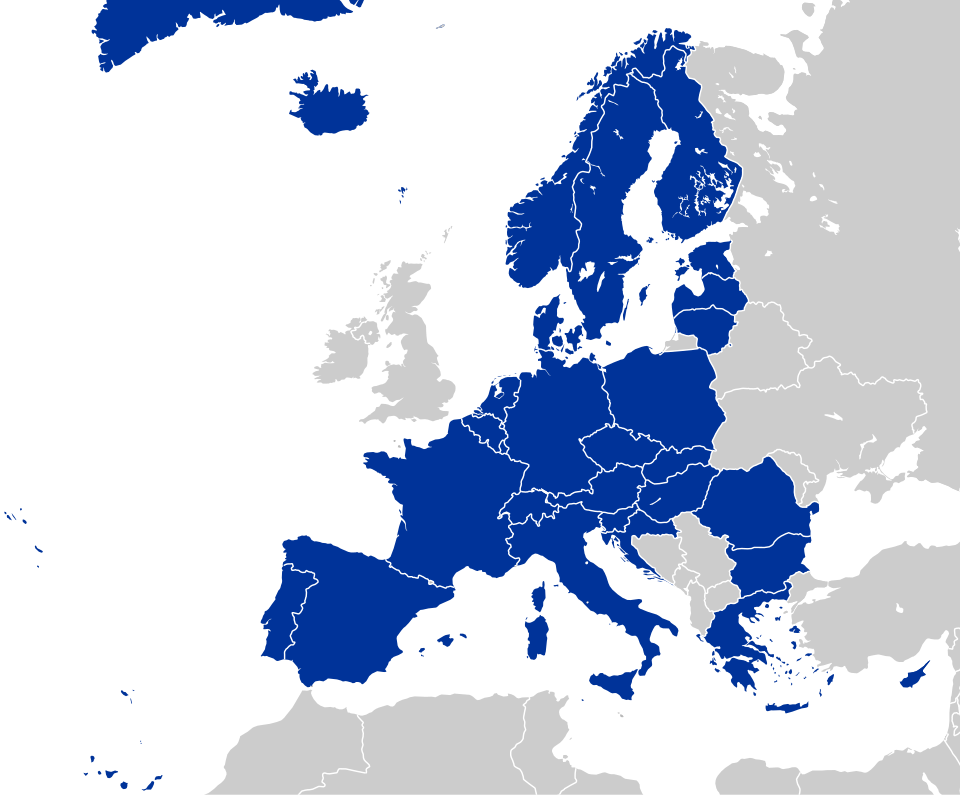
Once ETIAS begins, eligible U.S. and Canadian visitors traveling visa-free for short stays will generally need authorization for travel to 30 participating European countries. Those include EU countries such as France, Spain and Cyprus, as well as non-EU Schengen countries such as Norway and Switzerland. Ireland and the United Kingdom are outside ETIAS. The European Commission publishes the official list of countries and exemptions.
Once applications open, the fee will be €20. Exemptions cover applicants under 18 or over 70 and certain qualifying family members of EU citizens. An authorization will normally remain valid for three years or until the passport expires. It will not extend the usual 90 days in any 180-day period for visits across the Schengen area. Cyprus applies a separate short-stay calculation. These are future ETIAS rules, not a charge currently due.
ETIAS and Europe’s Entry/Exit System are different
Europe’s Entry/Exit System (EES) is already in operation. The European Commission says it became fully operational across participating Schengen countries on April 10, 2026. It digitally records relevant short-stay entries and exits of non-EU travelers and can involve facial images and fingerprints at the external border.
EES is a border procedure, not a predeparture travel authorization or an extra application fee. ETIAS, once launched, will be an advance authorization linked to a passport. The rollout has already affected passenger processing in some terminals, as AeroSillage reported in its coverage of passport checks at Brussels Airport.
What to check before a UK and Europe itinerary
For a trip such as Toronto to London, then Paris, the traveler must satisfy UK requirements for the London visit. There is no ETIAS application to complete today for the Paris leg. After the EU launches ETIAS, a traveler entering a participating country under the visa-free short-stay rules may need both separate authorizations for that same itinerary.
Check the passport used for each booking, the location of border control during any connection and the validity of the travel document. People with U.S. or Canadian citizenship plus British, Irish or EU nationality should follow the citizenship-specific guidance rather than apply automatically as ordinary third-country visitors.
Returning to the United States after a UK or Europe trip
A separate U.S. public-health requirement begins on November 3, 2026, at 11:59 p.m. Eastern Standard Time. The Centers for Disease Control and Prevention requires people boarding an international flight to the United States, including U.S. citizens and travelers connecting through the country, to sign an attestation that they have not been in the Democratic Republic of the Congo during the preceding 21 days. Airlines collect the statement before boarding. This rule applies to return flights from the UK or continental Europe, but it is not part of the UK ETA, EU ETIAS or EES systems.
AeroSillage’s broader 2027 flying rules overview also explains other border and passenger-rights changes. For a concrete European destination, see the Alicante guide for U.S. and Canadian visitors.
The practical distinction as of October 30, 2026 is simple: apply for a required UK ETA before travel; do not apply or pay for ETIAS until the European Union opens its official service.


JOIN THE CONVERSATION
Let’s discuss this story.
A question, a clarification or a different perspective? Share it with us.