
UK airline family seating fee ban awaits new law
The UK government has not set a date for its promised ban on charges for seating children under 14 beside an adult. Ryanair currently offers a free child seating option, while a CMA investigation remains open.
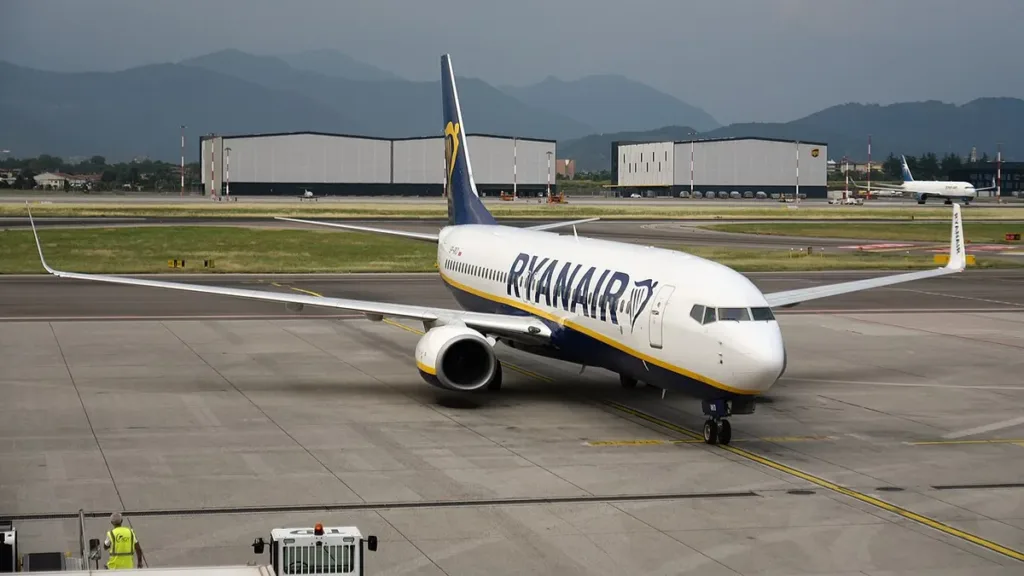
Families flying from Britain this winter still have no new legal guarantee of a free seat beside a child under 14, despite a government pledge to end charges that can add to the cost of a holiday. The Department for Transport announced the measure on 1 October 2026, then removed an incorrect start date the following day. For now, passengers must check what their airline actually provides.
The government says a parent and child could face charges of up to £104 on a return trip simply to sit together. That is an example in the department’s announcement, not a typical fare or a fee imposed by every carrier. Ryanair, for one, now advertises a free seating option for younger children, although passengers who want particular seats can still pay to select them.
The proposed ban would cover children under 14. Existing guidance and airline policies generally draw the line at under 12, a gap that matters especially for parents of 12- and 13-year-olds.
Why the UK government’s family seating ban has no start date
Ministers plan to bring in the protection using powers in the Civil Aviation (Consumer Protection and Regulatory Reform) Bill. The legislation has been through committee scrutiny in the House of Commons, but a law granting ministers those powers would not itself make every seat-selection charge unlawful. Further rules would be needed to put the promise into effect.
On 2 October, the Department for Transport changed its press release to remove a date for airlines to comply, saying the original date had been included in error. Ministers have spoken of helping families in time for next summer’s holidays, but the published announcement gives no enforceable commencement date. Families who have already paid for reserved seats cannot assume that the proposed law entitles them to a retrospective refund.
In Commons committee proceedings on 20 October, transport minister Keir Mather confirmed that the government intended to use clause 1 to require airlines to seat children under 14 next to a parent or guardian without charging extra. MPs rejected a separate amendment seeking broader protections for children under 16 and adults needing care. The government’s narrower proposal remains a commitment to future regulations, not an entitlement already in force.
Ryanair offers free child seating as the CMA case remains open
Ryanair’s published policy adds a complication to the wider row about family charges. The Competition and Markets Authority announced an investigation in June into a mandatory fee that it said typically cost an accompanying adult around £8 each way when travelling with a child aged two to 11. The watchdog is examining both the contractual requirement and how the charge was presented to customers. It has made no finding that Ryanair infringed consumer law.
Under Ryanair’s current family seating guidance, parents can choose free random allocation rather than reserve seats. The airline says children aged two to 11 will then be placed next to an accompanying adult on the same booking without charge. Other adults and teenagers may be seated elsewhere. Anyone wishing to choose specific seats can pay for reservations.
The airline’s published terms do not establish when that free option was introduced or what happened in individual bookings before it appeared. Equally, the existence of an investigation is not evidence that every family buying a ticket today must pay to keep a young child beside an adult.
The CMA case is still open. Ryanair has separately challenged the legality of information notices issued by the regulator, with a High Court hearing listed for 24 to 26 November. That judicial review concerns the CMA’s powers to obtain information; it will not itself determine whether the original fee breached consumer law. The authority expects to update its investigation in December.
How British Airways and easyJet seat children under 12
British Airways says it will place children under 12 with an accompanying adult even if the family has not paid to choose seats. It tries to keep the wider party together where availability allows, but relatives may be separated by an aisle or placed in adjacent rows. Passengers aged 12 or over may be seated apart, and advance choice of particular seats can attract a fee.
easyJet advises families to check in early because its system allocates seats on a first-come, first-served basis. It says it will ensure that each child under 12 sits close to an adult on the booking, arranging this at the airport or on board if necessary. That is not a promise that an entire family can occupy the same row.
The Civil Aviation Authority’s current advice is that airlines should aim to seat a child under 12 in the same row as their accompanying adult, or no more than one row or aisle away. The government’s planned under-14 rule would go further by requiring a seat next to a parent or accompanying adult free of charge.
What parents should do before paying to choose seats
Book children and accompanying adults on the same reservation and check the seating policy for their ages, not just the price shown beside a seat map. At Ryanair, a free random allocation for a young child is different from a paid reservation for a particular row. British Airways and easyJet also distinguish between keeping a child near an adult and allowing passengers to pick exactly where they sit.
Compare the final cost once any optional seat reservations and baggage charges have been added. AeroSillage has examined the gap between advertised fares and the amount passengers actually pay. A family may decide that choosing seats is worth the money, but should not confuse a preference for specific places with the minimum seating arrangements the carrier says it will provide.
If a child’s allocation appears to contradict the airline’s stated policy, contact the carrier before travel and keep the booking confirmation and seat assignments. Raise the problem again with airport or cabin staff if it remains unresolved. Do not rely on strangers agreeing to swap seats once everyone has boarded.
The government has yet to name the day its new protection will take effect. Before then, the next documented steps are the bill’s remaining parliamentary stages, the High Court hearing over Ryanair’s information notices in November and the CMA’s expected case update in December.
Read next
JOIN THE CONVERSATION
Let’s discuss this story.
A question, a clarification or a different perspective? Share it with us.