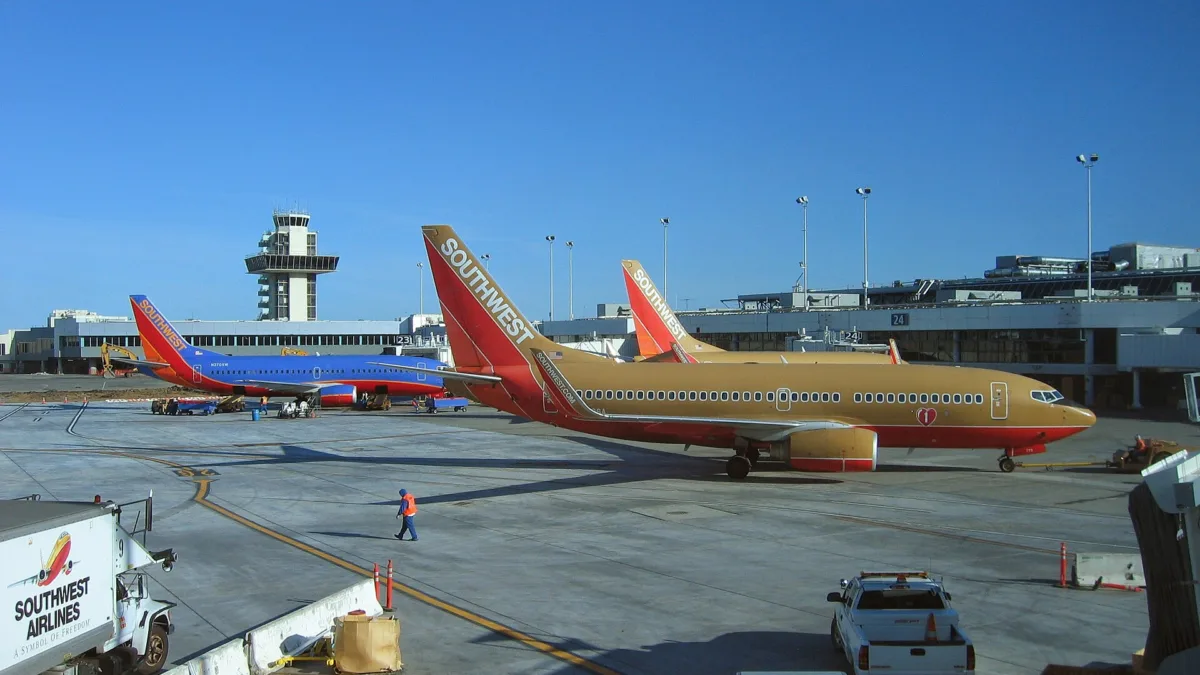
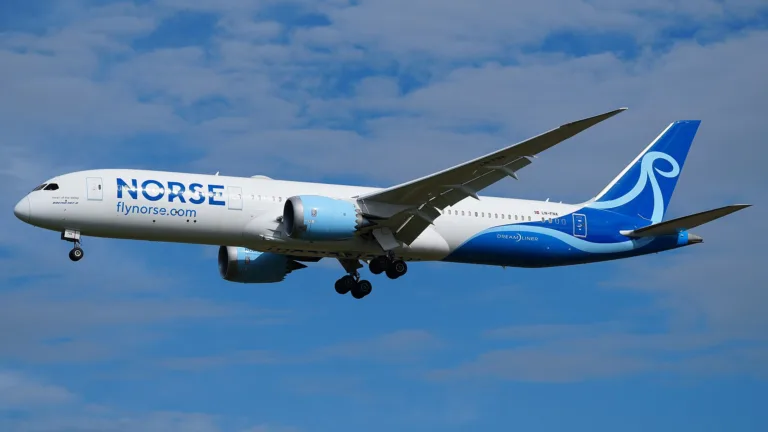
Southwest Airlines is weighing a move into long-haul international flying, with Boeing’s 787 Dreamliner emerging as a leading candidate for its first widebody aircraft, according to a Reuters investigation published on October 8, 2026. Yet there is no confirmed fleet selection, signed aircraft order or announced long-haul destination. The debate is as much about Southwest’s future business model as it is about the performance of a particular aircraft.
Why the 787 is gaining attention
Reuters, citing three people familiar with private fleet planning, reported that Southwest was leaning toward the Dreamliner, with one source suggesting that a fleet of several dozen aircraft had been considered. The airline’s board would have the final say. Southwest did not confirm a decision, and the report did not establish which 787 variant would be acquired or whether any lease had been executed.
Aircraft availability is a serious constraint. Boeing has said its 787 production slots are sold out through the end of the decade. Southwest could potentially look at lessors or previously operated aircraft, but those are options under discussion rather than completed acquisitions.
Airbus presents a different way into longer routes
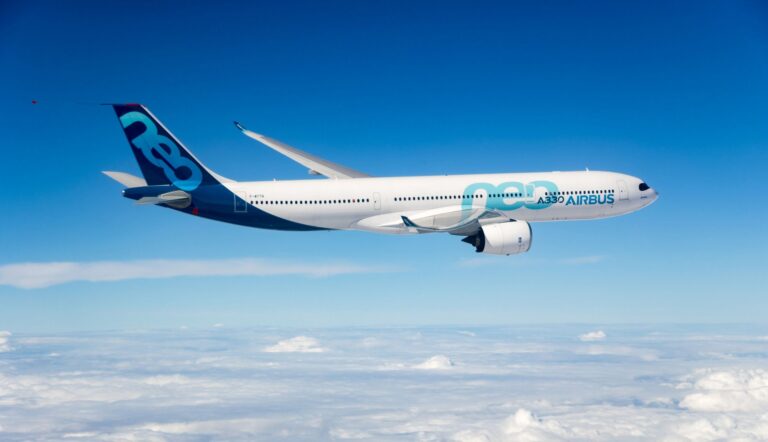
According to people familiar with the discussions, Airbus has offered the A321XLR and A330neo as possible answers to Southwest’s international ambitions. The A321XLR offers longer-range single-aisle economics and smaller capacity; the A330neo is a widebody alternative with different passenger and cargo capabilities. The A220 has also been mentioned for other parts of the airline’s network, not as a direct replacement for a long-haul widebody.
The commercial question is therefore not simply Boeing versus Airbus. It is how much capacity Southwest wants on each flight, what markets can consistently fill those seats, how quickly aircraft become available and what new costs a second fleet type would impose.
Destinations: what is actually known?
Southwest chief executive Bob Jordan said in May that a network of roughly eight to twelve long-haul destinations might meet many customer needs. That statement is a strategic illustration, not a published route map. No European city, airport pair or start date has been officially designated for Southwest-operated widebody service in the evidence reviewed.
Transatlantic cities could naturally feature in a commercial assessment of an American long-haul carrier. But naming London, Paris, Rome or Madrid as confirmed Southwest destinations would go beyond the facts. Route economics depend on local demand, connections, airport slots, aircraft availability and competitive conditions, none of which constitutes evidence of an approved launch.
There is also an important distinction between Southwest operating its own long-haul flights and selling itineraries involving partners. Its annual report lists relationships with Icelandair, Condor, Turkish Airlines and several Asian carriers that expand access to overseas travel through connections. Those arrangements are not proof that Southwest will fly its own jets across the Atlantic or Pacific.
The bigger challenge for Southwest would be organisational. Widebody flying requires different maintenance resources, crew planning, distribution and connection management. Even a future selection of the 787 would not, by itself, demonstrate a viable long-haul network or establish how the airline intends to compete with incumbent international carriers.
A departure from the all-737 operating model
For decades, Southwest’s single-family Boeing 737 fleet simplified training, spare-parts management and crew planning. A long-haul aircraft would require additional qualifications, maintenance arrangements, operational approvals and discussions with labor groups. The pilots’ union has publicly acknowledged that both widebodies and longer-range narrowbodies have been considered.
The fleet debate follows other significant changes: assigned seating, more legroom options, premium-oriented products and efforts to strengthen Rapid Rewards loyalty and co-branded credit-card revenue. These moves could make long-haul trips more valuable to Southwest customers, but a viable operation would still have to overcome substantial cost and complexity.
When could it happen?
One person in the Reuters report described a planning horizon of about three years, making around 2029 a possible, not confirmed, timeframe. A final board decision, an aircraft source, regulatory preparations and route announcements all remain necessary. Until Southwest announces those steps, both the 787 and specific destinations should be treated as possibilities rather than commitments.
For AeroSillage, the strategic hurdle is larger than choosing between Boeing and Airbus. Southwest built operational simplicity around a single narrowbody family; entering long-haul flying would also entail new crew planning, maintenance arrangements, aircraft utilisation and a different approach to connections and onboard service. Those implications follow from the proposed change in network model, but none establishes that a widebody order has been placed.
Sources: Reuters, October 8, 2026, fleet-planning investigation; Southwest Airlines 2025 annual filing, published in 2026.
Related AeroSillage analysis: Southwest Airlines: is the model that made it different disappearing?
Leave a Reply