Qantas grounds Boeing 787 after bedbugs are reported on 17-hour Perth–Rome flight
Passengers expected a long flight. Some instead spent it dealing with bites and the sight of insects. Bedbugs were reported in the economy cabin of a Qantas Boeing 787 Dreamliner operatin
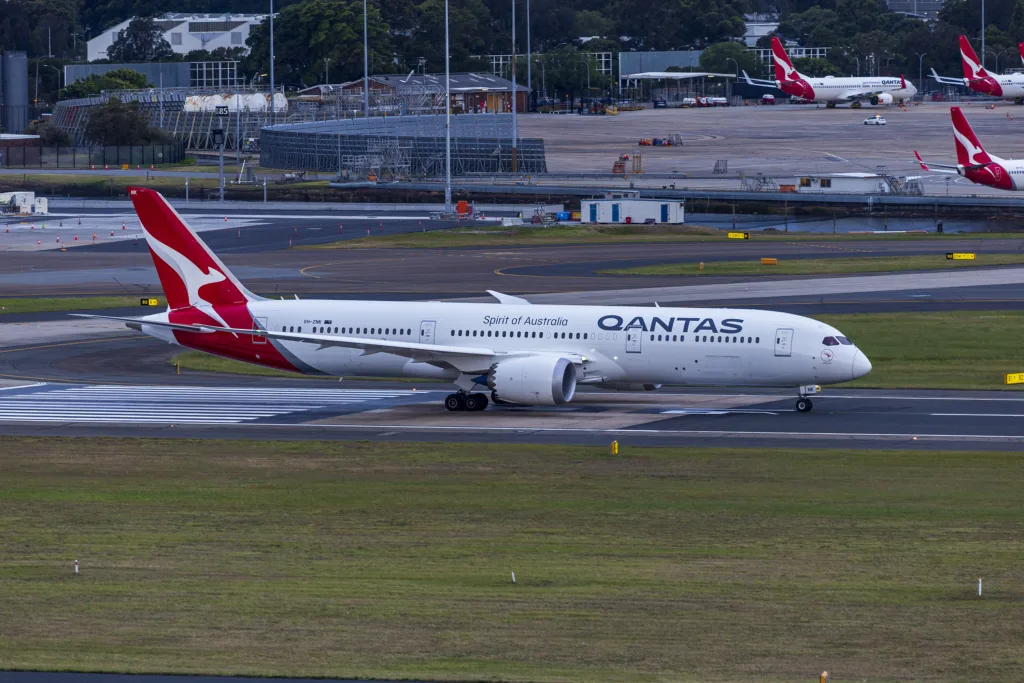
Passengers expected a long flight. Some instead spent it dealing with bites and the sight of insects. Bedbugs were reported in the economy cabin of a Qantas Boeing 787 Dreamliner operating flight QF5 from Perth to Rome on 9 October. The aircraft landed without an aviation emergency, but the episode escalated on the ground: Qantas removed the jet from service in Italy and cancelled its return flight.
Australian media carried accounts of passengers spotting insects around seats and personal belongings, while others reported itchy bites. The number affected has not been conclusively established. Some travellers were reportedly offered antihistamines. These first-hand accounts must be distinguished from the company’s confirmed response: Qantas acknowledged the issue, apologised and ordered specialist deep cleaning of the aircraft.
The QF6 service scheduled to depart Rome for Perth on 10 October was cancelled. Affected customers were provided with accommodation where needed and alternative travel arrangements, with Qantas saying it organised rebookings within 48 hours. Taking a long-haul aircraft out of service far from its Australian base can complicate crew scheduling, onward connections and fleet planning. The financial disruption is not confined to the people seated near the reported insects.
How can bedbugs become an airline problem? The insects can travel unnoticed in luggage and clothing and hide in narrow spaces, including upholstery and fittings. Their presence does not automatically prove that an aircraft has been poorly cleaned. Routine surface cleaning may not reach their hiding places, which is why effective treatment can require specialist inspection, targeted measures and monitoring before an aircraft is returned to operation.
Qantas stressed its normal cleaning and disinfection regime, including regular treatments, but an infestation or credible suspected infestation calls for a different response. The decision to ground the Dreamliner was principally about sanitation and preventing recurrence, rather than any suggestion that the aircraft was unsafe to fly from a mechanical standpoint.
The aircraft’s withdrawal from service had consequences beyond those who reported bites: return-flight passengers faced disruption and rebooking. Specialist cleaning is a hygiene and customer-care response, not evidence that the Dreamliner had an airworthiness defect. The number of people affected remains uncertain and should not be inferred from individual accounts.
Bedbugs are not generally known to transmit human disease, but bites may cause itching, swelling or other skin reactions. The sensible response for passengers who see an insect in flight is to inform cabin crew, preserve any useful evidence and check their belongings after travelling. Equally, it would be wrong to assume that every unexplained skin irritation after a flight proves a bedbug infestation.
The unusual operational lesson is that a long-range aircraft can be perfectly airworthy and still need to be withdrawn from service. The airline must safeguard cabin conditions as well as its schedule, and customers stranded hundreds of kilometres from their intended connections feel the consequences of that decision immediately.
Sources : The Guardian ; ABC Australia.