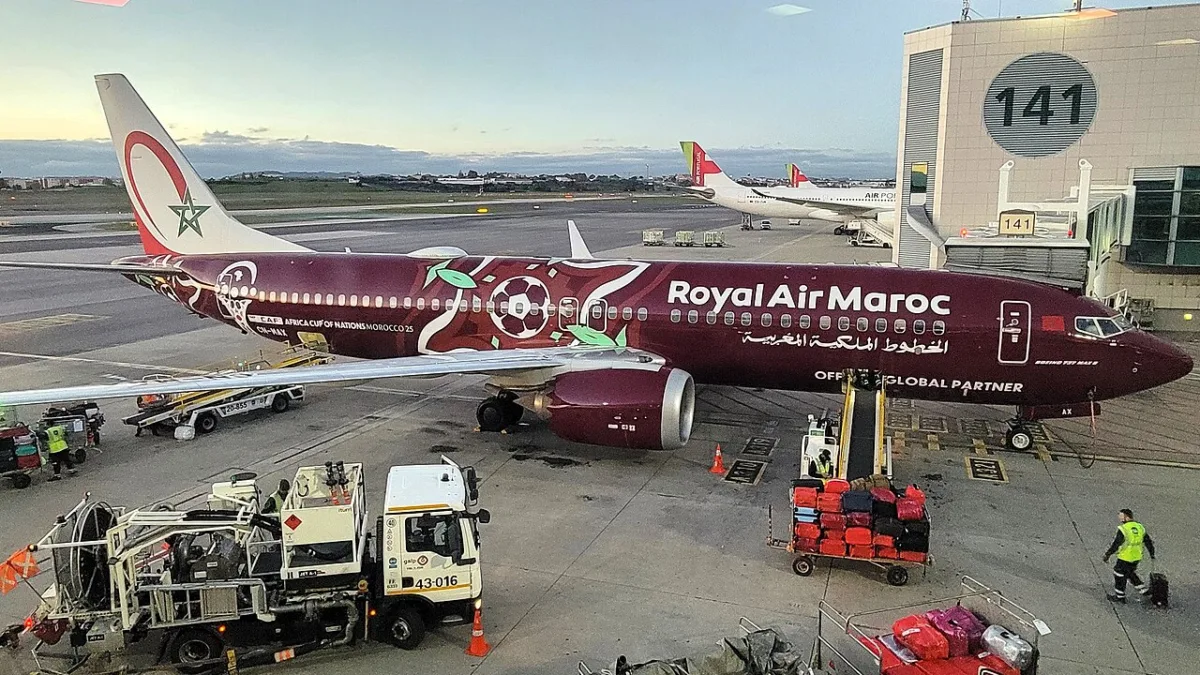
Royal Air Maroc has crossed the 70-aircraft mark with the addition of a new Boeing 737 MAX 8, CN-RHS, and its 71st aircraft is already following close behind. CN-RHT, another 737 MAX 8, was ferried to Casablanca on September 30 via Gander and is now listed as delivered and active as the Moroccan carrier accelerates fleet growth ahead of a much larger expansion cycle.
The significance goes beyond a milestone number. Royal Air Maroc is moving from gradual fleet renewal into a faster capacity build-up designed to strengthen Casablanca as a connecting hub between Africa, Europe and the Americas.
From 50 aircraft to more than 70 in five years
Royal Air Maroc operated roughly 50 aircraft in 2021. By late September 2026, the fleet had reached 70 with CN-RHS, representing growth of about 40% in five years.
The airline is targeting around 74 aircraft by the end of 2026 and 88 in 2027, according to figures reported around its current development programme. That makes the 70-aircraft milestone less an endpoint than an intermediate marker.
The 737 MAX 8 is becoming central to the narrowbody strategy
Recent growth has leaned heavily on the Boeing 737 MAX 8. RAM has added multiple aircraft in 2025 and 2026, including CN-RHR, CN-RHS and now CN-RHT.
The type offers lower fuel burn and more range than the older 737-800s that still form a large part of the narrowbody fleet. For Royal Air Maroc, that flexibility matters on European and African routes, while also supporting thinner longer sectors that can be flown without widebody economics.
More aircraft are needed to make Casablanca a stronger connecting hub
Royal Air Maroc scheduled nearly 8.2 million seats for summer 2026, up 23% year on year, across 86 international destinations. The airline is expanding simultaneously in Europe, Africa, North America and other long-haul markets.
That creates a network challenge: simply adding destinations is not enough. A hub becomes competitive when schedules create strong connecting banks, aircraft utilisation remains high and passengers can move through the airport reliably.
The real constraint is absorption, not aircraft availability
Rapid fleet growth creates pressure across the business. Every aircraft requires pilots, cabin crew, engineers, maintenance slots, spare parts, airport stands and profitable flying.
Casablanca therefore becomes as important as the aircraft themselves. If airport infrastructure, ground handling and staffing do not scale at the same pace, fleet growth can produce congestion rather than connectivity.
2026 and 2027 are the bridge years
Royal Air Maroc is using a mix of deliveries and leasing to add capacity before the much larger fleet programme expected to move into a new phase from 2028.
Under its long-term state-backed development plan, RAM ultimately aims for around 200 aircraft by 2037, a network of roughly 143 international destinations and passenger volumes above 30 million annually.
Why aircraft 71 may matter more than aircraft 70
Aircraft 70 is symbolic. Aircraft 71 is strategically more revealing. It shows that Royal Air Maroc is not pausing after reaching a round number; it is moving into a sequence of recurring deliveries.
The next test is organisational. The airline now has to prove that its crews, maintenance operation, commercial planning and Casablanca hub can scale as quickly as the fleet.
Boeing’s position keeps strengthening
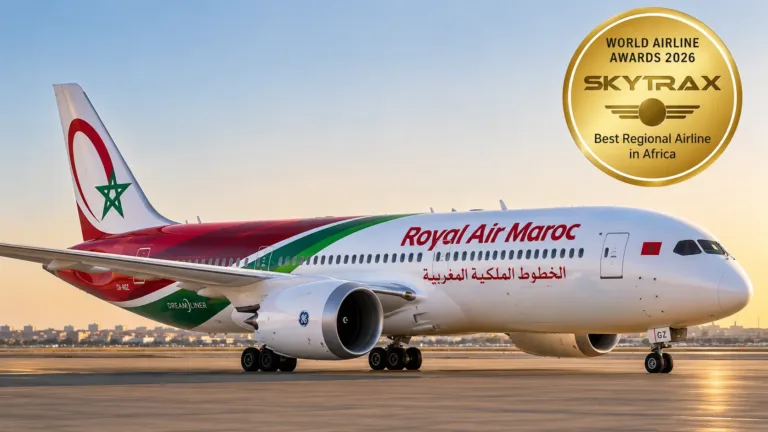
The current delivery cycle also deepens Boeing’s position at Royal Air Maroc. The 737 family dominates narrowbody operations, while the 787 is central to long-haul growth.
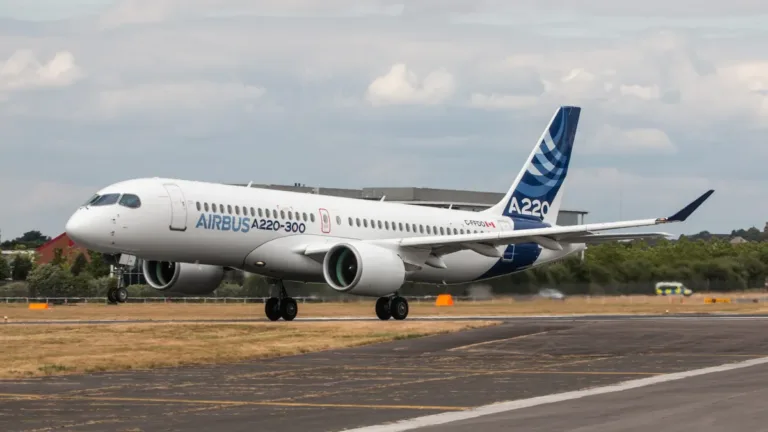
Airbus and Embraer remain relevant to RAM’s wider fleet competition, but every additional Boeing delivery increases the operational value of common training, maintenance and spare-parts systems.
Related: Royal Air Maroc: could Airbus return with the A220?
Sources
Le360: September 30, 2026
Royal Air Maroc: corporate releases and summer 2026 programme
Planespotters: CN-RHT
Photo: Royal Air Maroc Boeing 737 MAX 8 at Lisbon in November 2025. Geographer / Wikimedia Commons, CC BY-SA 4.0.