
US air traffic control outage hits Newark and Philadelphia
A major FAA telecom outage hit Newark, Philadelphia and the US Northeast on September 21. About 7,000 flights were delayed or cancelled nationwide, renewing pressure to modernise air-traffic-control infrastructure.
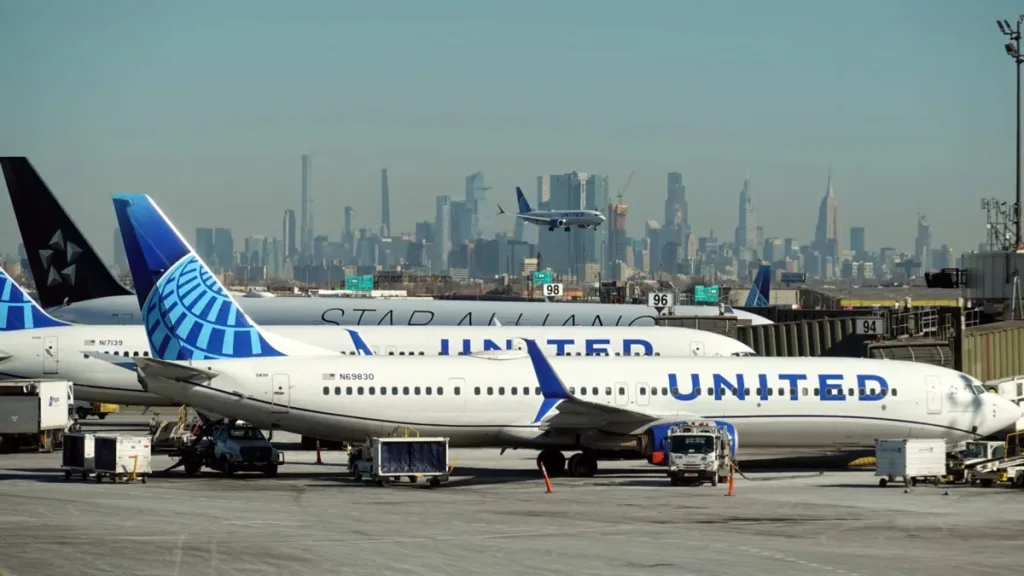
A major FAA communications outage disrupted Newark Liberty, Philadelphia, Teterboro and a much wider part of the US Northeast on September 21, 2026. Ground stops, delays and diversions lasted for hours before the network was restored.
Primary circuit failure exposed a second weakness
The FAA said several frequencies used by the Philadelphia TRACON became unavailable. A primary circuit failed and, when traffic was switched toward a backup path, crews found that the backup fibre route had also been damaged by construction work in New Jersey.
Transportation Secretary Sean Duffy initially blamed an Amtrak crew, then corrected that statement and said the work was associated with NJ Transit.
About 7,000 flights were delayed or cancelled
Reuters reported that roughly 7,000 US flights were delayed or cancelled during the day, including more than 1,400 at the major New York-area airports.
The effect extended beyond Newark and Philadelphia. Ground stops or related delays also affected JFK, LaGuardia, Teterboro and routes farther across the Northeast.
Restrictions during a communications outage are precautionary traffic-management measures, not evidence that affected aircraft lost their own navigation systems. Once the circuits recover, aircraft and crew positioning and airport capacity still determine how quickly normal schedules resume. The duration of the technical fault and the duration of passenger disruption are different measures.
Why the outage became a resilience issue
Redundancy only works when backup systems are truly independent. The simultaneous loss of a primary circuit and a damaged backup route showed how a physical infrastructure problem can defeat what appears on paper to be a resilient design.
The outage fed a wider modernisation debate
Days later, Transportation Secretary Duffy, airlines and aviation groups urged Congress to approve a new $30 billion aviation modernisation package. The proposal would add to $12.5 billion already approved in 2025 for air-traffic-control upgrades.
What passengers should remember
Restoring communications does not instantly restore schedules. Aircraft, crews and departure slots still need to be repositioned, so delays can remain long after the technical fault is fixed.
Sources
FAA; US Department of Transportation; Reuters, September 21 and 28, 2026; ATCSCC advisories.
Related: the resilience debate is not limited to the US. AeroSillage has also examined repeated NATS disruptions in the UK.
Read next
JOIN THE CONVERSATION
Let’s discuss this story.
A question, a clarification or a different perspective? Share it with us.