Updated on October 7, 2026.
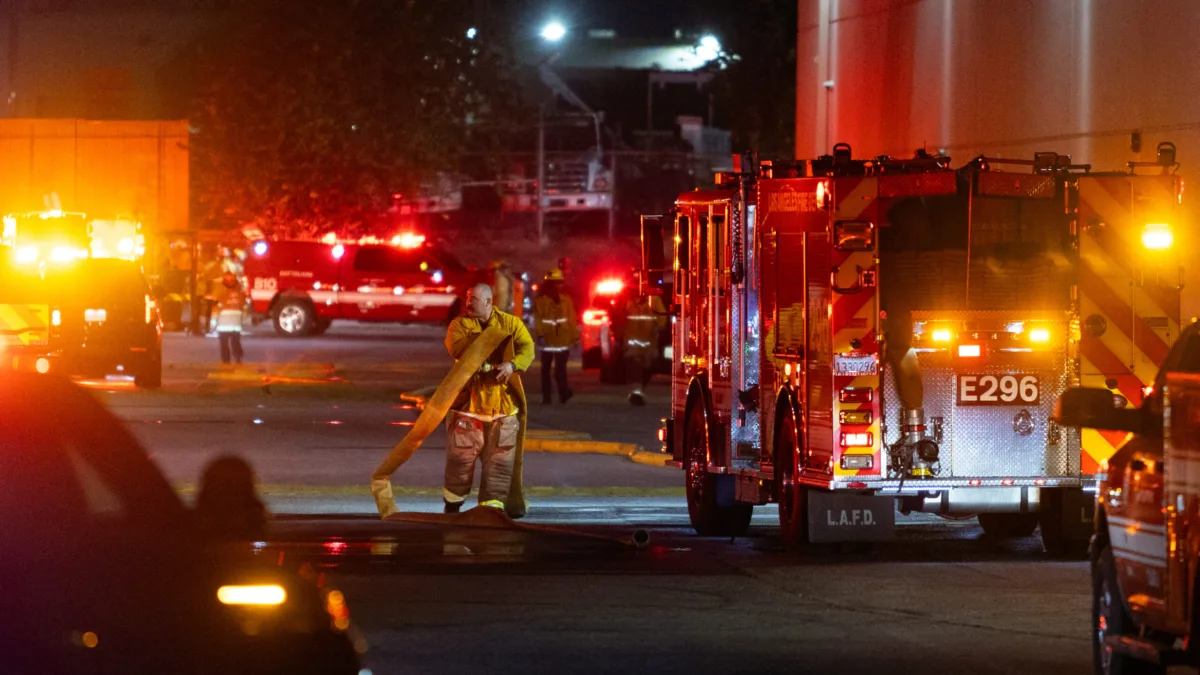
NewsChopper4, used by NBC4 Los Angeles and Telemundo 52, crashed in Chatsworth on September 15, 2026, killing three people. The NTSB preliminary report released on October 6 now provides new detail on the final seconds: changing rotor and engine sounds, cockpit warning horns, followed by a rapid right-turning descent. The probable cause has not yet been determined.
Two people on board, one fatality on the ground
The NTSB identifies the helicopter as Eurocopter AS350 B2 N358TV, operated by Angel City Air on an electronic news-gathering flight for NBC4 and Telemundo 52.
Pilot George Marciniw and aerial photojournalist Eliana Moreno were killed, along with one person on the ground.
The preliminary report now lists one minor injury on the ground, differing from initial post-accident reports that referred to two injured people on the ground.
One hour and 24 minutes over Chatsworth
According to the NTSB’s ADS-B reconstruction, the helicopter departed Whiteman Airport at about 5:24 p.m. and flew to Chatsworth to cover a fatal road accident. It remained in the area for about 1 hour and 24 minutes.
During the final minute of flight, NewsChopper4 was at about 1,700 ft mean sea level, roughly 800 ft above ground level, and had slowed to around 6 knots groundspeed.
Warning horns in the final 29 seconds
A video recorded on board by the news reporter captured ambient main-rotor and engine noise. The NTSB says those sounds were generally consistent with normal operation during most of the recording.
During the final 29 seconds, however, the recorded helicopter noise changed frequency and intermittent and continuous horns became audible. The preliminary report says those sounds were consistent with warnings including main-rotor high RPM, low rotor RPM and other aural advisories.
Those warnings are now an important investigative lead, but they do not yet establish an engine failure, transmission problem, rotor-RPM loss or any other specific malfunction.
Rapid descent while turning right
At about 6:55 p.m., ADS-B data show the helicopter beginning a rapid descent while turning right. The final ADS-B point captured it at a high rate of descent and about 38 knots groundspeed directly above the crash site.
Security cameras from nearby buildings recorded the helicopter descending rapidly before striking a metal storage container. A post-impact fire followed quickly.
Weather was visual and clear
The preliminary report describes visual meteorological conditions, clear skies and about 10 miles visibility at Whiteman Airport, roughly eight nautical miles from the accident site. That does not rule out every environmental factor, but the report does not describe poor weather at the time.
Wreckage moved for further examination
The NTSB says the fuselage was largely destroyed by fire, while the main and tail rotor assemblies remained attached or close to the wreckage. The helicopter has been moved to a secure facility for further examination.
Investigators will continue examining the engine, transmission, rotor systems, flight controls, maintenance history, ADS-B data, video evidence and the cockpit warnings recorded before impact.
What the preliminary report does not establish
A preliminary report documents facts gathered early in an investigation. It does not determine probable cause. The NTSB says all aspects of the accident remain under investigation.
The new evidence gives a much clearer picture of the final seconds of N358TV’s flight, but it still does not explain why control was lost or what caused the rotor and engine parameters to change.
Sources
NTSB preliminary report WPR26FA345, released October 6, 2026; NTSB investigation page WPR26FA345; NBC4 Los Angeles.
Leave a Reply