Catalina medical helicopter crash toll rises to three
Three people died and two survived the REACH medical helicopter crash off Catalina Island after divers recovered the missing patient's body.
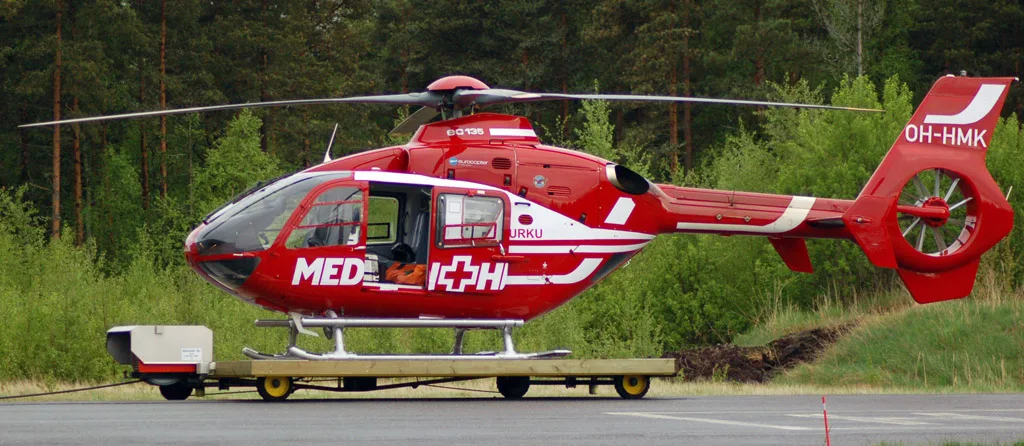
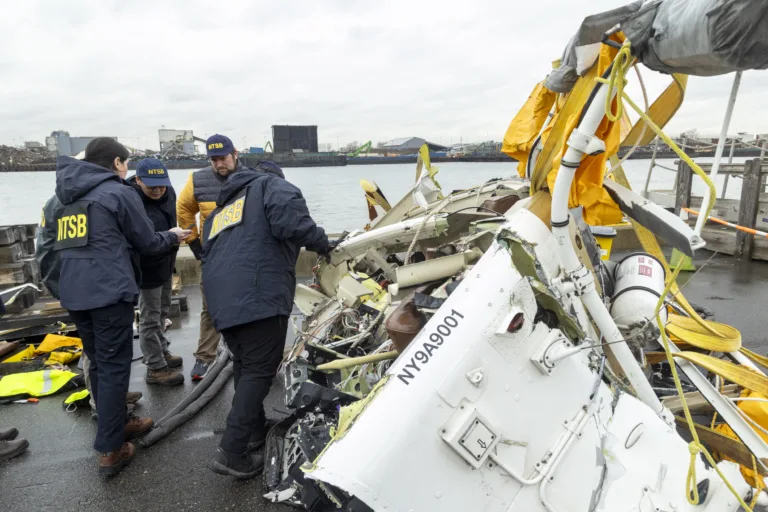
The death toll from the REACH Air Medical Services helicopter crash off Santa Catalina Island has risen to three after divers recovered the missing patient’s body from the wreckage Thursday night. Two people survived the September 30 crash. The NTSB is investigating the Eurocopter EC135 P2, and no cause has been established.
What is confirmed
Five people were aboard the medical transport flight from Catalina to the Southern California mainland. Rescuers initially recovered four occupants: the pilot and a flight nurse died, while another medical crew member and a passenger survived and were hospitalized in stable condition.
The fifth occupant was the patient being evacuated from the island after a medical emergency. Los Angeles County sheriff’s divers recovered her body from the submerged wreckage Thursday night, bringing the confirmed toll to three dead and two survivors.
The NTSB has identified the aircraft as a Eurocopter EC135 P2 and is leading the safety investigation. Investigators have not determined a cause, and no technical, operational or weather explanation should be treated as established.
Why it matters
Catalina Island relies on air transport for some time-critical medical transfers to mainland hospitals. The loss therefore affects an essential link for an island community as well as raising questions that the NTSB investigation will examine.
Recovery of the missing patient’s body updates the casualty count but does not explain the helicopter’s loss. The safety investigation must reconstruct the departure, assess the aircraft and examine any available technical evidence. The medical nature of the mission should not be used as a substitute for an established cause.
The EC135 family is widely used in emergency medical service operations. The aircraft type itself is not evidence of what caused the crash.
What comes next
Attention now shifts from the search operation to recovery and examination of the wreckage and the NTSB’s factual findings. Any conclusion about probable cause would be premature at this stage.
The confirmed death toll does not yet explain why the helicopter went down. Investigators will need to examine the aircraft, the final flight path, weather conditions, operational decisions and any available recorded data before identifying a probable cause. Until those findings are published, early assumptions should be treated with caution.
The investigation will need to distinguish the circumstances of the impact from the medical response and the factors determining survivability; neither can be established from the initial casualty figures alone.
Read next