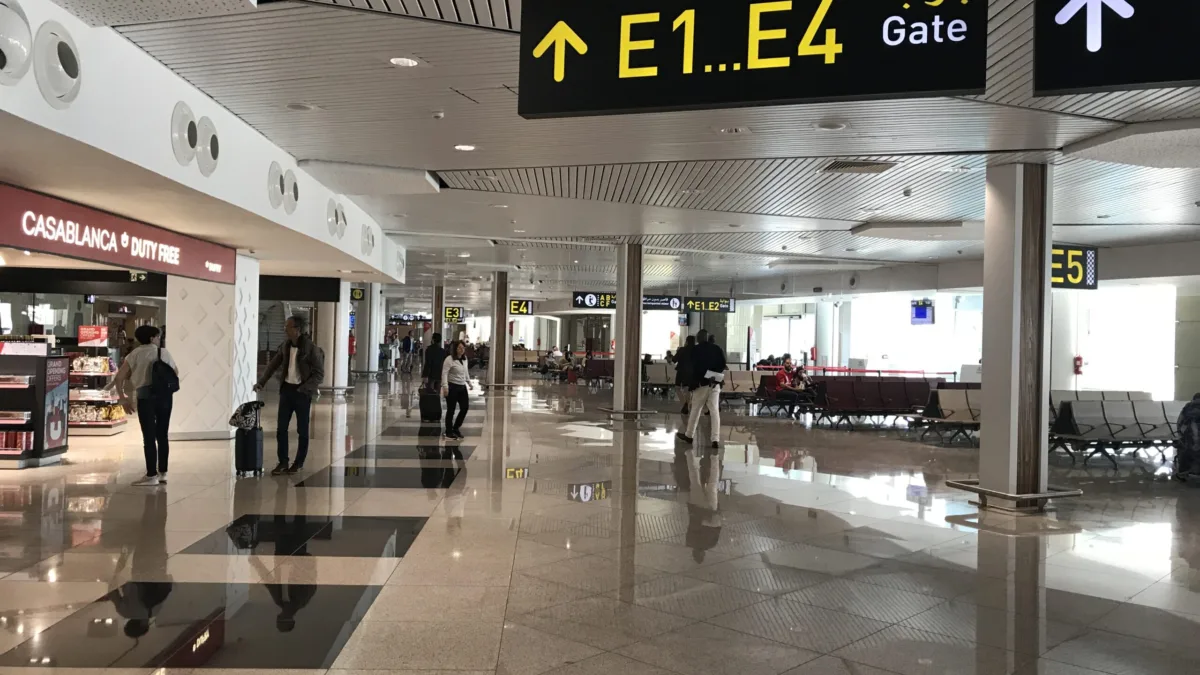
Morocco’s 36.3 million airport passengers in 2025 show that the country’s aviation challenge has shifted from traffic recovery to infrastructure resilience. Growth reached 11% in one year, supported by tourism, diaspora travel, Royal Air Maroc and expanding European low-cost capacity.
The system is becoming more competitive, not just larger
Casablanca remains the main hub, but Marrakech, Agadir, Tangier and Fez are gaining traffic through direct international services. That reduces the historic concentration of growth in one airport.
European airline competition is reshaping the market
Ryanair, easyJet, Transavia, Vueling and traditional carriers are all adding pressure on fares and frequencies. This gives passengers more choice but also forces airports to handle sharper seasonal peaks.
Casablanca’s role is different
Mohammed V must support both local demand and connecting traffic for Royal Air Maroc. Its expansion therefore has to improve transfer flows, baggage handling and peak capacity rather than simply add floor space.
Why Airports 2030 matters
The investment programme is becoming urgent because growth is already testing terminals, stands and ground access. Casablanca, Marrakech and other airports are being expanded before traffic reaches the next threshold.
The next risk is operational strain
Fast traffic growth can create longer queues, baggage delays and ground congestion if airport processes do not scale at the same speed as airline capacity.
AeroSillage view: Morocco’s aviation story is moving from demand creation to execution. The next competitive advantage will come from whether its airports can absorb growth without degrading the passenger experience.
Source
ONDA, 2025 air traffic review.
Leave a Reply