
FAA Vertiport Design Standards Proposed for Rooftops
The FAA's draft vertiport design standards cover rooftop landing areas, airport integration and charging. The comment period ends January 11, 2027.
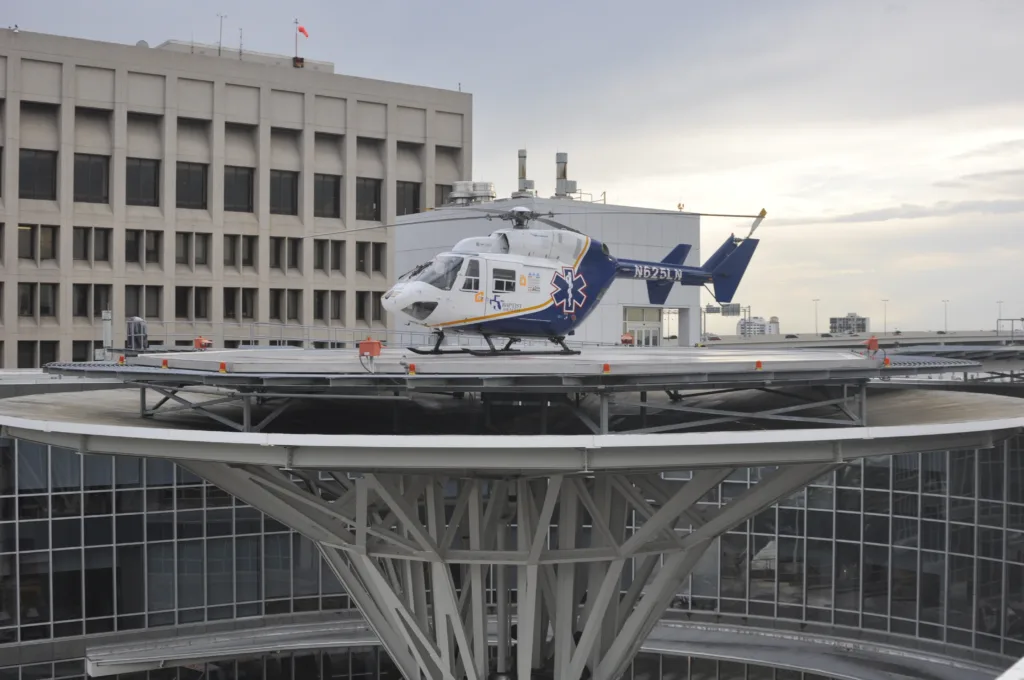
The FAA’s proposed vertiport standards would set new design guidance for rooftop air taxi landing pads, including safe approach paths, landing areas and charging equipment. Released on October 22, 2026, the draft addresses airport operators, heliport owners and developers across the United States. Comments close January 11, 2027, and the agency expects to finalize the guidance in summer 2027.
In its October 22 announcement, the FAA said the proposal combines design guidance for traditional helicopter landing sites and facilities for newer aircraft that take off and land vertically. However, the document is still a draft. It does not approve any particular rooftop, airport project or commercial passenger route.
What the FAA proposes for vertiports
The document, Draft Advisory Circular 150/5390-4, covers the space needed to land, lift off and approach safely. For example, it addresses touchdown areas, clear approach paths and surrounding safety zones. Those details help designers plan where aircraft can operate without striking nearby obstacles.
In addition, the FAA proposes guidance for lighting, painted markings and other visual aids that help pilots recognize a landing area. The draft also covers aircraft charging and fueling systems. Together, these provisions address both electric aircraft and other types of vertical-flight aircraft.
At existing airports, planners must also consider how new landing sites fit alongside runways, taxiways and other traffic. The proposed guidance addresses that coordination rather than prescribing a new passenger timetable.
Why rooftop landing pads need separate attention
Rooftop sites could place future air taxi operations closer to city centers. For example, Archer’s proposed Texas air taxi networks illustrate the urban routes developers are considering, not approved rooftop facilities. Yet a roof presents different constraints from an open field, including limited approach space and the structure beneath the landing surface. The FAA therefore includes elevated platforms and suitable building rooftops in its proposal.
Even with FAA design guidance, a building owner cannot assume a specific roof qualifies. Local construction, fire and land-use approvals are separate questions. The draft also does not authorize an operator to start carrying paying passengers.
How to comment before January 11, 2027
Airport operators, designers and other interested parties can submit feedback by January 11, 2027. The FAA’s draft advisory circulars page confirms the deadline and links to the industry letter containing submission instructions. A downloadable comment matrix lets contributors identify the draft provision, describe a proposed revision and explain their reasoning. Developers reviewing a specific rooftop proposal can use the matrix to flag clearance distances, lighting or charging provisions that need clarification. They should follow the FAA’s submission instructions in the industry letter.
Before that deadline, the FAA plans a virtual industry session on November 10, 2026, from 10 a.m. to 1:30 p.m. Eastern Standard Time. Participants can consult the agency’s industry letter for registration details. As a result, developers have an opportunity to raise practical design questions before the guidance becomes final.
What changes after the FAA finalizes the document
Once published in final form, AC 150/5390-4 will replace the FAA’s existing heliport design guidance, AC 150/5390-2D, and its supplemental vertiport guidance, Engineering Brief 105A. Until then, the October draft does not cancel either document.
The FAA is targeting summer 2027 for the finished circular. Meanwhile, data from electric-aircraft demonstrations, including the FAA-backed program in New Mexico, may help the agency refine future standards. However, rules for designing a landing facility and permission to operate a commercial air taxi service remain separate matters.
For communities and airport managers, the immediate decision is whether the proposed layout, obstacle-clearance and charging guidance works for their planned sites. Specific comments submitted by January 11 can inform the final document.
Read next



JOIN THE CONVERSATION
Let’s discuss this story.
A question, a clarification or a different perspective? Share it with us.