
New Mexico eVTOL Demonstration Begins Under FAA Program
The FAA says New Mexico began an advanced air mobility flight demonstration led by Albuquerque, with data intended to inform future rules.
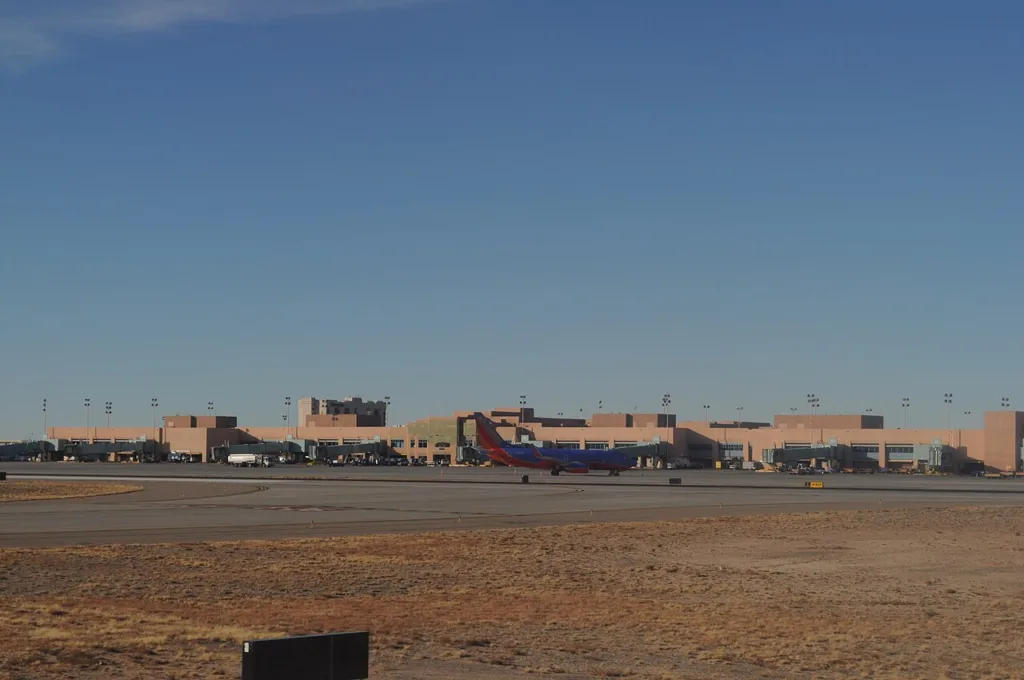
New Mexico’s eVTOL demonstration gives the FAA flight data for rules governing electric aircraft that take off and land vertically. The agency announced the Albuquerque-led test on October 19, 2026. Albuquerque’s aviation department leads the project, which the agency says will provide operational data for future aviation regulations.
The FAA’s October 19 announcement calls New Mexico the sixth location to begin demonstrations. However, its September 10 announcement had already called Texas the sixth. These two official releases give conflicting rankings. The discrepancy does not change the confirmed New Mexico test or mean that commercial air taxi service has begun.
Albuquerque joins the federal flight-test effort
The FAA and U.S. Department of Transportation are testing how new aircraft can operate within the existing aviation system. For example, participating projects address passenger travel, cargo, emergency response, aircraft that can fly without a pilot on board, and transportation for remote communities.
Albuquerque’s aviation department is the lead partner in New Mexico. Meanwhile, the FAA expects other participants to continue testing through 2026.
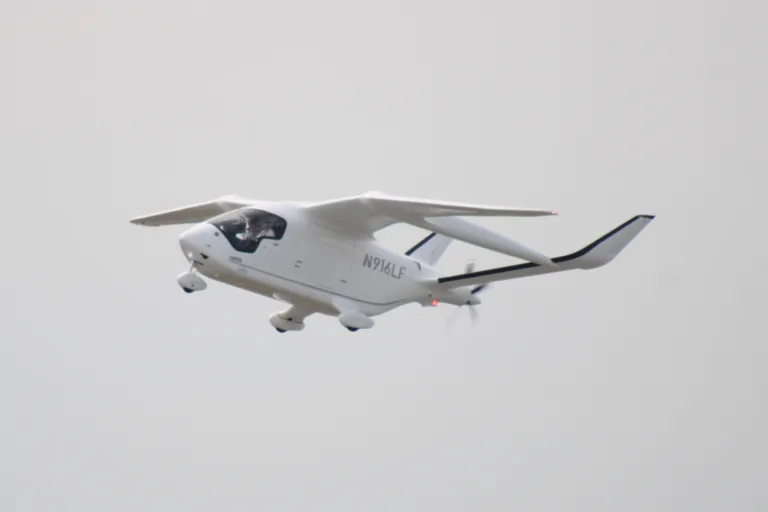
Program update, October 30: The FAA described Florida as the seventh demonstration location. The Florida Department of Transportation worked with Joby and BETA Technologies on flights around Tampa Bay, testing cargo deliveries and routes. Given the conflicting earlier rankings, the Florida count is attributed to the FAA rather than presented as an independently verified sequence. The Florida flights do not establish additional New Mexico operations or commercial passenger service.
What regulators intend to learn
The agency may use flight-test data to inform regulations for advanced air mobility. In particular, regulators need to learn how these aircraft interact with air traffic controllers, airports and existing flight procedures.
The FAA says the broader pilot program includes eight selected projects spanning 28 states. Still, approval to run a test does not certify an aircraft or launch passenger service.
No announced commercial service
For travelers, testing does not mean commercial service is available. Similarly, other FAA-backed research projects remain separate from airline certification and commercial service. AeroSillage previously covered FAA funding for JetZero engine research, which likewise does not amount to aircraft certification or scheduled service.
Federal and city updates will clarify what the experiments reveal. Before passengers can buy tickets, operators would need additional authorizations.
Read next

JOIN THE CONVERSATION
Let’s discuss this story.
A question, a clarification or a different perspective? Share it with us.