
FAA Florida eVTOL Tests Launch in Tampa Bay
Florida began FAA-backed electric aircraft demonstrations with Joby and BETA around Tampa Bay on October 30, 2026. The flights test routes and procedures, not a public air taxi service.
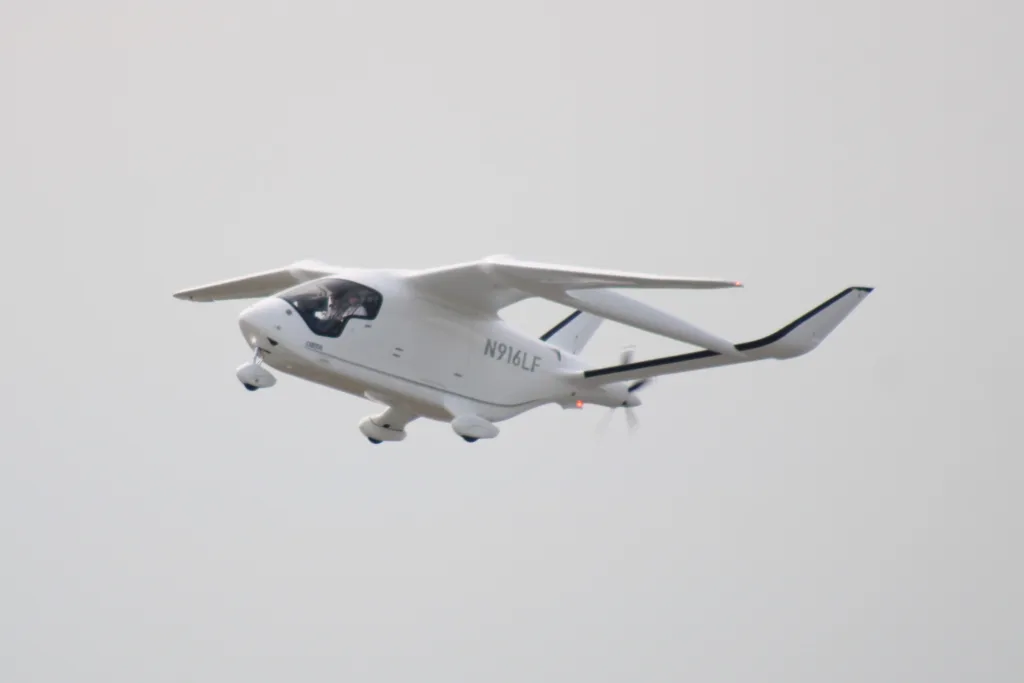
Florida’s first federal electric-aircraft demonstration flights have tested two potential Tampa Bay routes, but travelers cannot book either service. On October 30, 2026, Joby Aviation and BETA Technologies conducted demonstration flights in the Tampa Bay area with the Florida Department of Transportation as part of a Federal Aviation Administration pilot program. Their purpose is to help regulators assess future air taxi and cargo operations.
The FAA confirmed the demonstrations on October 30, making Florida the seventh location to begin flights under the Electric Vertical Takeoff and Landing Integration Pilot Program (eIPP). Regulators will use the operational data to develop future rules. For now, these flights remain tests rather than scheduled passenger services.
Joby and BETA test different routes and aircraft
Joby’s S4 electric aircraft flew from Albert Whitted Airport in St. Petersburg to Tampa International Airport. It can take off and land vertically, without a runway. BETA’s ALIA CX300, by contrast, uses a conventional runway and flew from St. Pete-Clearwater International Airport toward Tampa, according to the FAA.
Although both aircraft use electric motors, their operating needs differ. Joby’s design could use dedicated vertical landing areas, often called vertiports. Separately, Archer has proposed air taxi networks in Texas, but those plans are not operating passenger services. BETA’s runway-based aircraft relies on more familiar airport infrastructure. Those differences matter when airports plan how to handle new flights.
In its October 30 release, Joby described the cross-bay flight as the beginning of a week of Florida demonstrations. The route recalls the first scheduled commercial airline service, which connected St. Petersburg and Tampa in 1914. This time, however, the flights were demonstrations rather than ticketed airline operations.
What the FAA wants to learn from Tampa Bay
The tests examine how electric aircraft could operate alongside existing flights. Officials can assess landing sites, airport procedures and potential passenger or freight routes using the results. A separate FAA demonstration in New Mexico is gathering data under the broader program. The Florida Department of Transportation describes the flights as part of a wider state effort to prepare for advanced air mobility.
Florida belongs to one of eight projects selected nationally, with activity across 28 states. Together, the projects explore passenger transportation, cargo, emergency medical response and other potential uses. However, the program does not itself certify an aircraft for routine commercial passenger operations.
That distinction affects travelers directly. A successful trial shows that an aircraft completed a demonstration under its authorized conditions. It does not announce ticket prices, public flight schedules or a commercial launch date. BETA separately reported 14 electric flights covering nearly 700 nautical miles across Florida. That company-reported total describes a broader test effort, not 14 public passenger services.
Joby plans more Florida demonstrations
Next, Joby plans to demonstrate its aircraft at Orlando International Airport and the Shuttle Landing Facility at Kennedy Space Center. At Orlando, the company intends to fly near a dedicated landing area by Terminal C and the train station. Joby says weather and operating conditions could change the schedule.
The FAA also lists additional planned Florida testing with Electra, whose aircraft is designed for short-runway operations. As a result, the state program will examine more than one approach to electric flight.
What happens before travelers can book an air taxi
Airports and regulators can use these results to refine routes, ground facilities and operating procedures. Aircraft makers must still meet applicable certification and operating requirements before they can offer routine commercial service.
For Tampa Bay passengers, the practical takeaway is straightforward: Florida has started testing electric aircraft on recognizable routes, but no bookable air taxi service follows automatically from the October 30 flights.
Read next

JOIN THE CONVERSATION
Let’s discuss this story.
A question, a clarification or a different perspective? Share it with us.