
FAA Restricts Airbus A220 Takeoffs in Freezing Fog
The FAA is restricting Airbus A220 takeoffs when freezing fog cuts visibility below 500 feet. Its directive covers an estimated 228 U.S. aircraft and takes effect December 14, 2026.
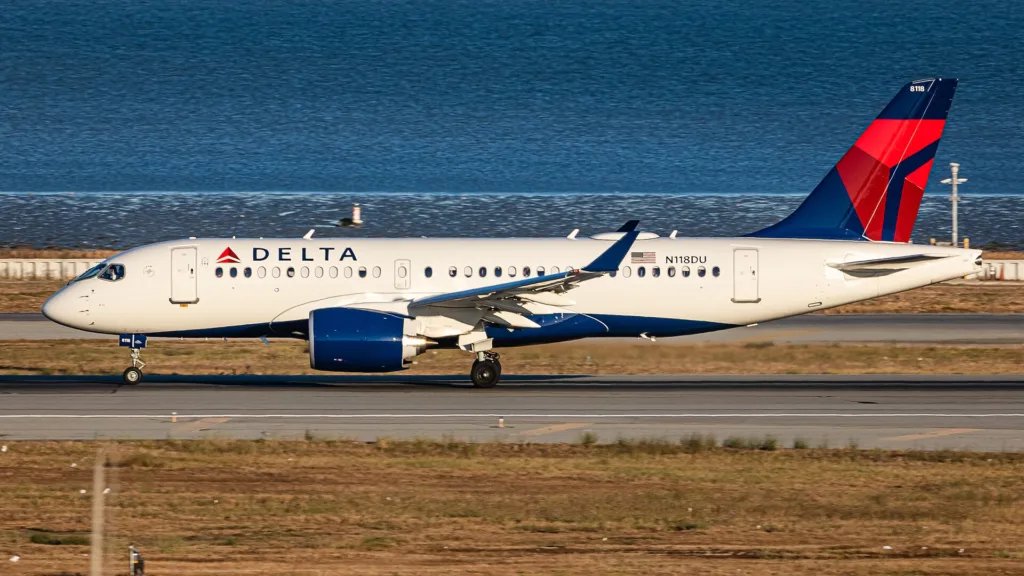
The FAA has ordered a ban on Airbus A220 takeoffs in freezing fog below 500 feet of visibility, affecting 228 U.S.-registered jets from December 14. Published November 27, the directive gives airlines seven days after its effective date to update their flight manuals.
The measure covers A220-100 and A220-300 aircraft. According to the Federal Aviation Administration’s November 27 final rule, AD 2026-24-07, the restriction applies below 150 meters of visibility in ground freezing fog. It does not ground the A220 fleet or order engine replacements.
Airlines have until December 21 to update flight manuals
U.S. operators must add the new takeoff restriction to the ice-and-rain protection section of the aircraft flight manual. The seven-day compliance window follows the rule’s December 14 effective date. Therefore, the revision deadline falls on December 21.
Flight manuals contain operating limits pilots must follow. Under the FAA rule, crews cannot begin a takeoff when freezing fog meets the prohibited visibility conditions. Instead, the flight must await acceptable conditions or another compliant operating plan.
The FAA estimates one hour of administrative work per aircraft, costing $85. Across 228 U.S. aircraft, the direct compliance estimate is $19,380. However, that calculation does not include possible delays, missed connections or airline recovery costs.
Related engine stalls prompted the A220 restriction
The directive follows engine-stall reports involving Airbus A320 aircraft in freezing fog. During some events, engines stalled while crews increased thrust for takeoff. Other reports involved the early takeoff phase.
Those A320s use Pratt & Whitney PW1100G-JM engines. Airbus A220 aircraft use related PW1500G engines, raising concern about a similar hazard. Still, the FAA has not stated that all 228 A220s experienced an engine stall.
An engine stall disrupts airflow inside a jet engine and can reduce thrust. That becomes particularly serious as an aircraft accelerates down a runway. The FAA warns that the identified condition could cause thrust loss or even shutdown of both engines.
Because the risk involves a critical phase of flight, the FAA issued the rule without its usual advance comment period. The agency will accept comments afterward. Meanwhile, airlines must comply on the published schedule.
What passengers could face in winter weather
Freezing fog consists of supercooled droplets that can freeze on contact. Its hazard differs from ordinary low visibility because icing can affect aircraft systems. The FAA’s rule targets a specific combination of freezing fog and visibility, not every foggy departure.
For passengers, the most immediate possibility is a delayed A220 departure until conditions permit takeoff. However, the directive alone provides no evidence of cancellations on a particular route. Airport weather, aircraft assignments and available alternatives will determine each disruption.
Transport Canada issued its own A220 freezing-fog directive earlier in November. AeroSillage covered Canada’s A220 restrictions and separate cabin-pressure action. Unlike that earlier Canadian decision, the new FAA directive establishes U.S. operating requirements.
Public comments are due January 11, 2027
January 11, 2027, is the FAA comment deadline for docket FAA-2026-15285. After reviewing submissions, the agency may change the directive. Nevertheless, comments do not postpone its December 14 effective date.
Travelers flying on an A220 should check their airline’s flight-status tools during winter fog events. For a separate aircraft safety decision, AeroSillage also examined FAA requirements involving Boeing 787 wing-slat warnings. Those requirements address a different hazard.
Read next
JOIN THE CONVERSATION
Let’s discuss this story.
A question, a clarification or a different perspective? Share it with us.