easyJet’s £5.7bn Apollo takeover faces union revolt across Europe
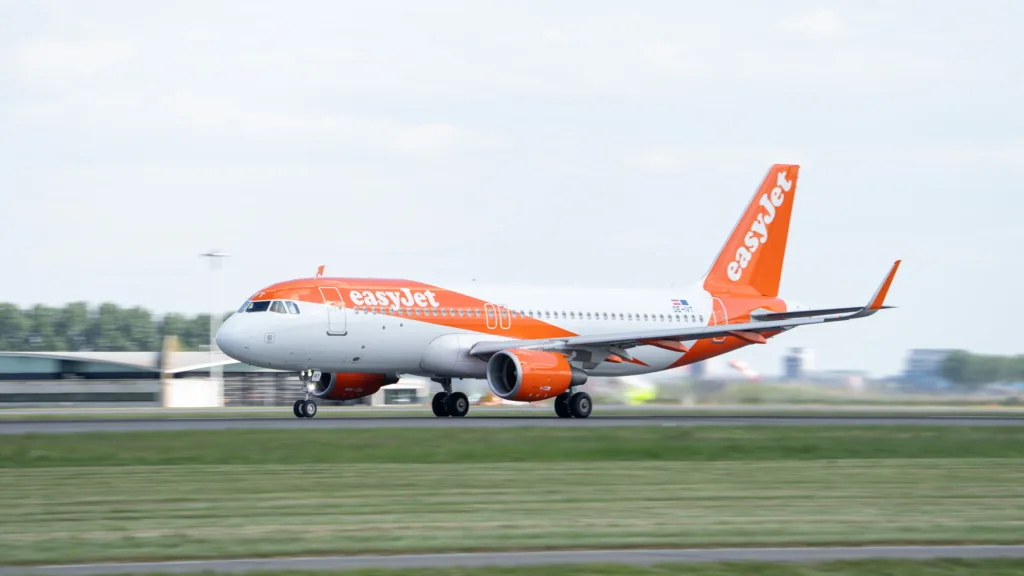
The headline price is £5.7 billion. For easyJet employees, the more important question is what happens after the deal. Documents issued on 15 October detailing Apollo Global Management’s recommended acquisition have exposed serious concerns among staff representatives across Europe. The board supports the transaction, but the proposed protections for workers are becoming a central fault line.
The European Works Council argues that the structure could weaken easyJet’s long-term resilience and expose employees to risks the stated assurances do not adequately address. Its most specific criticism concerns commitments lasting only 12 months and described as non-binding. That is a limited period in an industry where fleet investment, base strategy and employment decisions are planned years ahead.
The responses are not uniform. Employee bodies in France, Portugal and Spain stopped short of endorsing the offer, while representatives in Britain and Germany took neutral positions on the financial terms. It would therefore be misleading to describe every employee organisation as opposing the takeover. The disagreement concerns governance and the durability of protections as much as the identity of the buyer.
Apollo emerged ahead of rival interest from Castlelake over the summer, offering 715 pence per share. Court and shareholder meetings are expected in November, and easyJet continues to target completion by the end of the first quarter of 2027. The acquisition has not yet closed. Nor does the publication of a scheme document itself alter the airline’s timetables or passengers’ contracts.
Private ownership could give easyJet greater flexibility to pursue longer-term commercial changes without the same exposure to stock-market scrutiny. Apollo has discussed broadening revenues, enhancing the loyalty proposition and exploring premium products. These remain strategic ambitions rather than services already introduced to customers. Investors will also have to decide how to balance financing costs with spending on aircraft, operations and staff.
European airline ownership rules add an unusually sensitive test. A carrier operating under European licences must satisfy requirements involving ownership and effective control. The planned governance framework is intended to preserve that status despite Apollo being based in the United States. Regulators will judge whether the arrangements work in practice, not simply whether a formal board structure looks compliant.
For people holding easyJet bookings, the immediate flight plan remains unchanged. For staff, the battle over the first year’s assurances could foreshadow negotiations lasting well beyond the completion of the transaction. The defining issue is not only who buys easyJet, but how that owner will run it.
Sources : easyJet, document de l’offre Apollo ; Reuters, 15 octobre 2026.