Air India Boeing 787 diverted after false hijack alert: 306 people caught in security scare
The aircraft was safe. The warning that diverted it remains unexplained. On Wednesday, 14 October, an Air India Boeing 787-9 operating flight AI2030 from Frankfurt to New Delhi made an un
The aircraft was safe. The warning that diverted it remains unexplained. On Wednesday, 14 October, an Air India Boeing 787-9 operating flight AI2030 from Frankfurt to New Delhi made an unscheduled landing in Jaipur after an alert was interpreted as a possible hijacking. The 306 passengers and crew were subjected to a major security response before officials established that no hostile takeover had occurred.
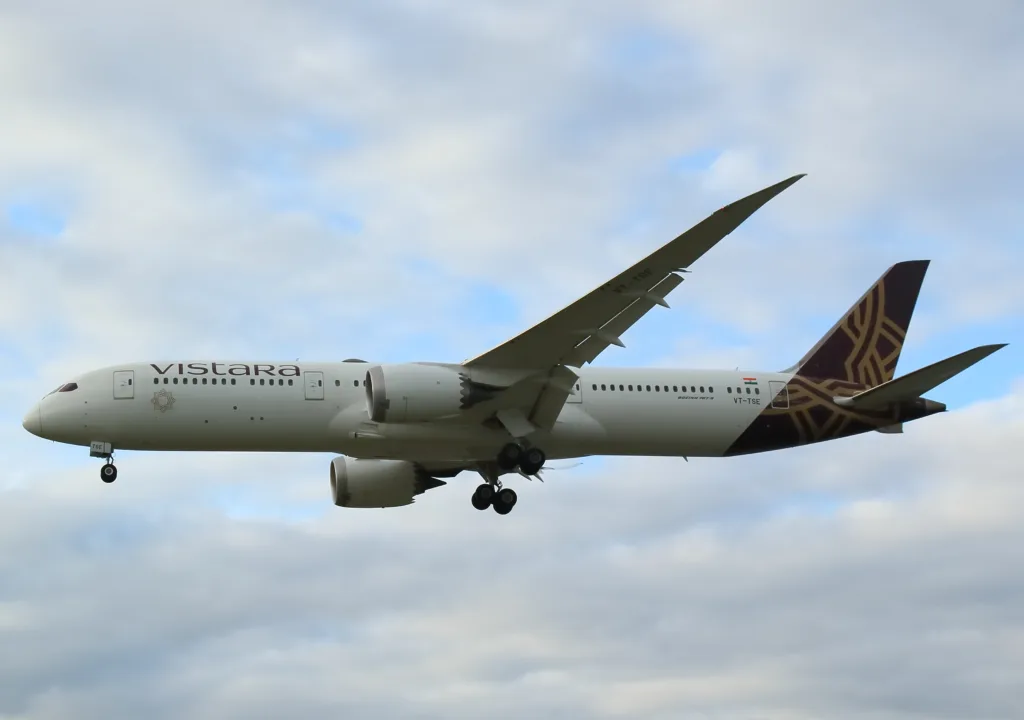
The aircraft, registered VT-TSE and still wearing its former Vistara livery, landed at Jaipur at approximately 9:35am local time and was moved to an isolation bay. Security agencies screened those on board and searched the aircraft before allowing the journey to resume. Air India described the diversion as a response to a perceived security concern. The flight subsequently continued to Delhi, several hours behind schedule.
What generated the alarm is now the central question. Transponder code 7500 is internationally associated with hijacking or unlawful interference. Initial reports suggested that the pilots had transmitted the code. Later, the Times of India reported, citing information it had obtained, that the crew had not entered 7500 at all. Instead, an alert may have been passed on through a recently installed air traffic control radar system in Mumbai. That account has not been conclusively established by investigators and should not be treated as a definitive technical finding.
The distinction matters far beyond a disputed detail. A deliberate emergency transmission, an inadvertent entry on an aircraft transponder and a misleading alert generated or transmitted by a ground system have different implications for aviation safety and security. Yet controllers cannot simply assume that an apparent hijacking signal is wrong. Their immediate responsibility is to reduce risk while the circumstances are assessed, which helps explain the diversion and isolated parking position.
A transponder indication associated with unlawful interference justifies a precautionary response, but early accounts do not establish how the alert originated. An inadvertent selection, a technical fault and a misunderstood report are different possibilities requiring different evidence. The diversion and security search confirm the authorities’ response, not an attempted hijacking. For those on board, the demonstrated consequence was a major travel disruption.
A security alert moves through several layers: flight crew, air traffic services, the diversion airport and the agencies responsible for screening. Each makes decisions on the information available at that moment, which may be incomplete. The investigation therefore needs to reconstruct both the origin of the warning and how it was relayed, without treating a precautionary response as proof of an actual threat.
For travellers, the result was a prolonged wait with limited clarity about the threat. Security responses routinely involve examination of baggage, the cabin and the identities of those on board. Information may arrive only in fragments while authorities work through different scenarios. Accounts from passengers describe confusion following the announcement that their direct journey would end unexpectedly in Jaipur.
At the time of reporting, there was no confirmed hijacking and no reported injury. The outstanding issue is whether the warning originated in the aircraft, in its communication with air traffic control or elsewhere in the monitoring chain. India’s aviation authorities are investigating. Until they publish their findings, presenting the event as an attempted hijacking would be misleading. What is established is already significant: a warning that could not be ignored disrupted an international flight and activated a full-scale security response.
Sources : The Indian Express ; Times of India ; India Today.