The American West is not a destination you simply “see.” It is a journey that unfolds through scale. Los Angeles begins with freeways and palm-lined boulevards; the Mojave strips the landscape back to rock and horizon; Route 66 slows the pace; the Grand Canyon resets your sense of distance; Monument Valley turns the road itself into part of the experience; Zion and Bryce change the colour and texture again; Las Vegas detonates in neon; Yosemite cools everything down with granite, forest and waterfalls; and San Francisco finishes the trip on the edge of the Pacific.
For a first visit, 18 to 21 days is the sweet spot. Two weeks is possible, but only if you are prepared to remove major stops. Three to four weeks lets you travel properly rather than drive continuously. This is especially relevant in 2026, when Route 66 celebrates its centennial and the historic road is receiving renewed attention across the United States.
The strongest version of this trip is not a checklist of landmarks. It is a sequence of contrasts. That is why AeroSillage recommends combining major cities, national parks, old highway towns and one or two slower nights where nothing is scheduled.
A route that actually works
Start in Los Angeles, head east through the Mojave to Calico and Barstow, then pick up historic Route 66 towards Needles, Oatman, Kingman and Seligman. From there, turn north for the Grand Canyon South Rim, continue through Navajo Country to Monument Valley, then cross into Utah for Bryce Canyon and Zion. Spend one or two nights in Las Vegas, cross towards the Sierra Nevada when road conditions allow, give Yosemite two proper nights, and finish in San Francisco.
An open-jaw flight — arriving in Los Angeles and departing from San Francisco — can save a large amount of backtracking. One-way car rental fees vary, but the time saved is often worth the comparison. Before locking in the itinerary, see our guide to when to book flights to really pay less.
| Stop | Suggested stay | Best for |
|---|---|---|
| Los Angeles | 3 nights | Griffith, Hollywood, Downtown, Pacific coast |
| Calico + Route 66 | 2 nights | Old West, Oatman, Kingman, Seligman |
| Grand Canyon | 2 nights | South Rim, changing light, hiking |
| Monument Valley | 1 night | US 163, Navajo Nation |
| Bryce + Zion | 3 nights | Hoodoos, canyon scenery, trails |
| Las Vegas | 2 nights | Strip, food, urban reset |
| Yosemite | 2 nights | Tunnel View, valley, waterfalls |
| San Francisco | 3 nights | Golden Gate, bay, Alcatraz |
Los Angeles: begin with the city, not the freeway
Los Angeles can frustrate travellers who try to treat it like a compact European city. It is better approached as a collection of districts. Three nights is a sensible start: one day for Hollywood and Griffith Park, one for the west side and the coast, and one for Downtown or a neighbourhood-led itinerary.
Griffith Observatory is the best orientation point. The Hollywood Sign sits behind the hills while Downtown rises far to the southeast, making the city’s scale instantly clear. Santa Monica and Venice provide the classic Pacific contrast, while Downtown offers Grand Central Market, Broadway’s historic core and the cultural district around Walt Disney Concert Hall.
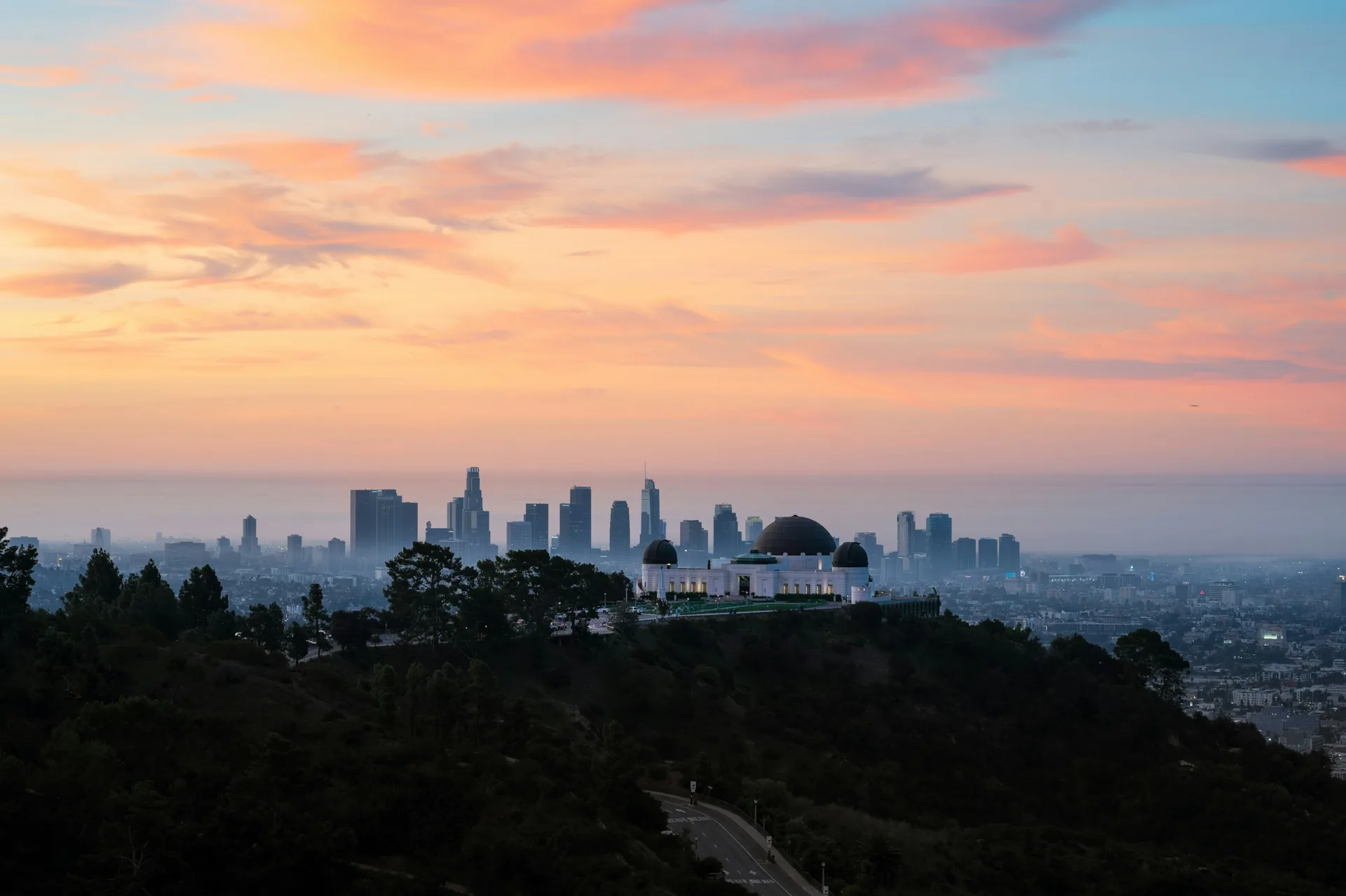
Where you stay matters more than almost anywhere else on this route. West Hollywood works well for restaurants and central access; Santa Monica is better for the beach but usually costs more; Hollywood is convenient for first-time sightseeing but varies dramatically from block to block. Always check parking fees before booking.
Calico and Route 66: the road trip finds its character
East of Los Angeles, the urban sprawl finally gives way to desert. Calico Ghost Town, founded during California’s silver-mining era, is deliberately theatrical today, but it still works as a visual and historical transition into the old West. The wooden façades, dry hills and period atmosphere make it a worthwhile stop before Barstow.
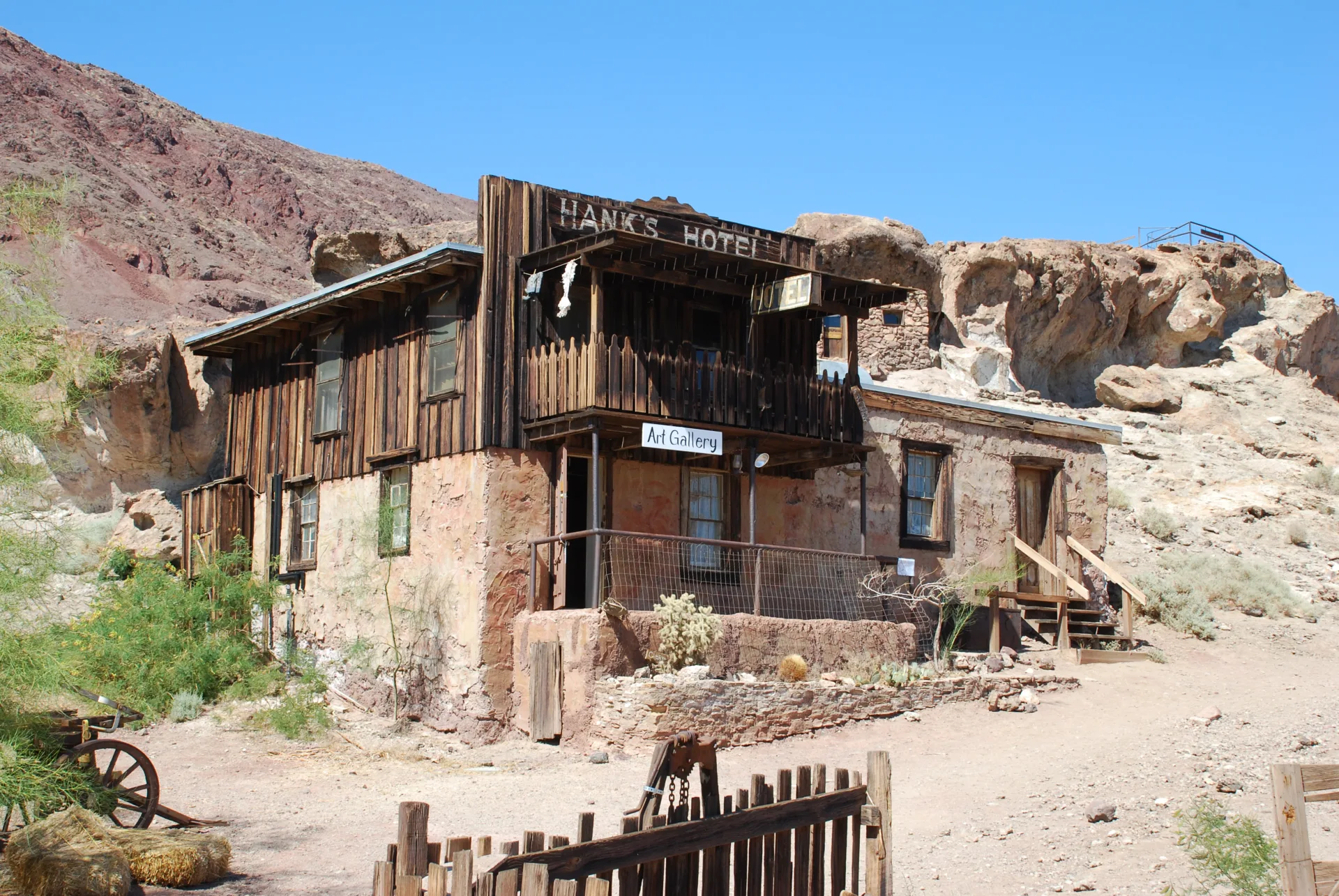
From here, historic Route 66 becomes the story. The old highway is no longer one continuous road, but large sections survive across California and Arizona. Amboy, Needles, Oatman, Kingman and Seligman are among the most rewarding stops. What makes the route memorable is not just the famous shield painted on the asphalt; it is the old motels, neon signs, gas stations, diners and long stretches where the Interstate feels like a different century.
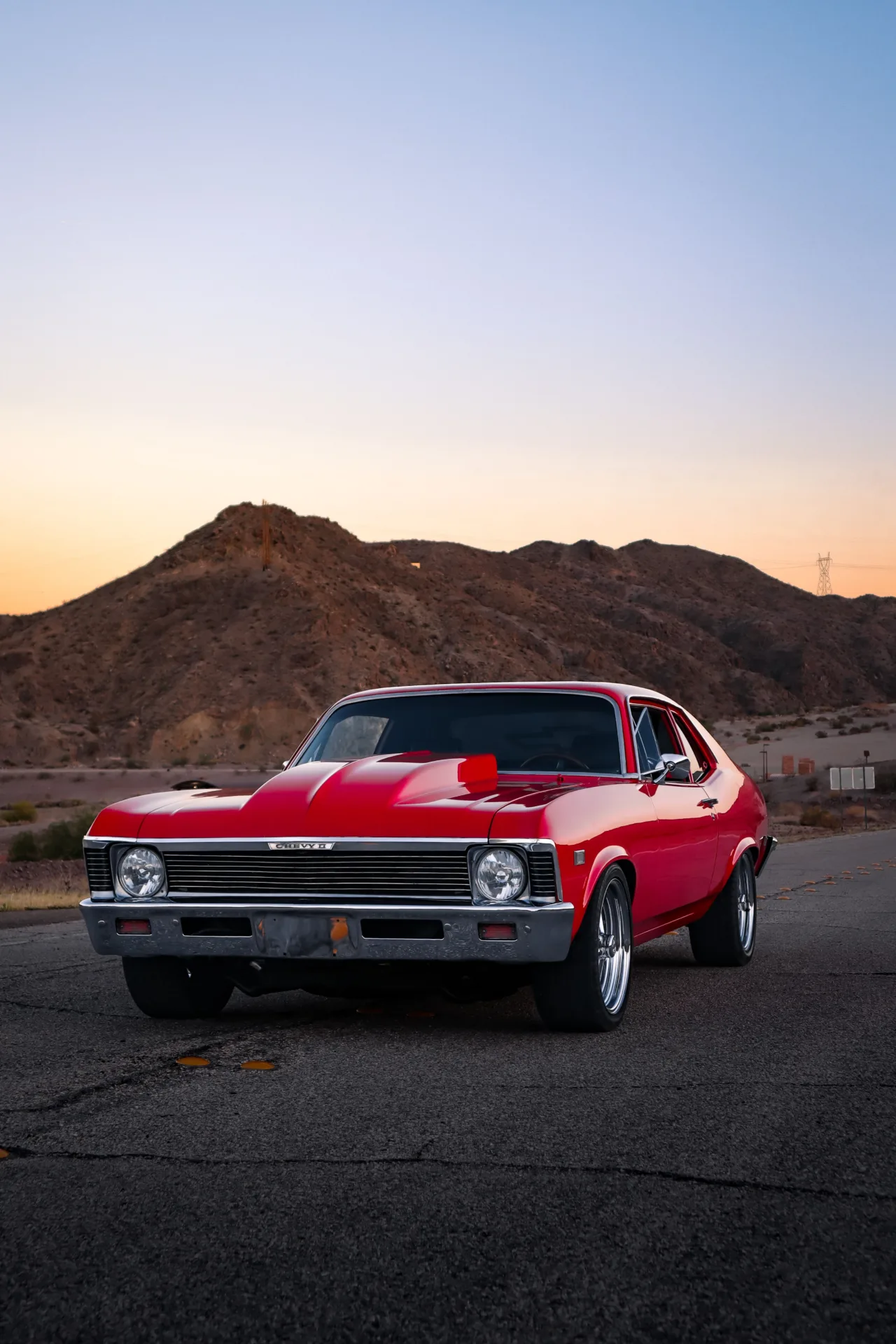
In 2026 the Mother Road turns 100. The National Park Service and the Route 66 Centennial Commission are marking the anniversary throughout the year. That makes this an unusually good time to include the western section in a larger Southwest itinerary, but the best way to experience it is still to slow down rather than race from sign to sign.
Grand Canyon: stay long enough to see the light change
The South Rim is the most practical choice for a first visit. It is open year-round, has the strongest visitor infrastructure and is easier to integrate with Route 66. One night is the minimum; two is better if you plan to hike below the rim.
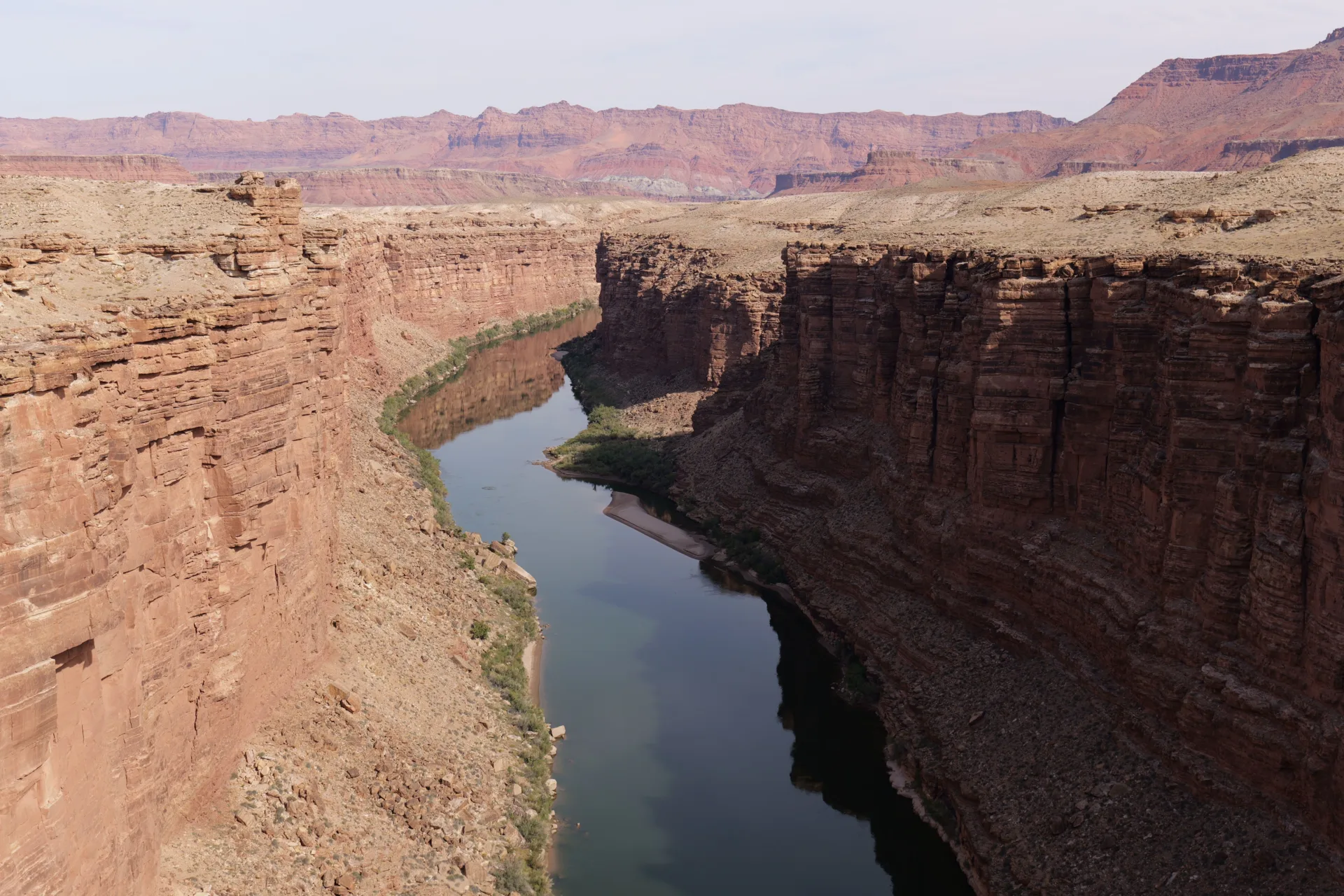
The South Rim sits at roughly 7,000 feet, so temperatures and exertion can surprise travellers arriving from the desert. Even short walks require water and appropriate layers. Hiking down is deceptively easy; the climb back is where people get into trouble.
There is also an important 2026 budget change. Non-U.S. residents aged 16 and over now face a $100 nonresident surcharge at 11 major national parks, including Grand Canyon, Yosemite, Zion and Bryce Canyon, unless covered by an eligible annual pass. The America the Beautiful Non-Resident Annual Pass costs $250 in 2026 and can make obvious financial sense on a multi-park road trip.
Monument Valley: more than a film location
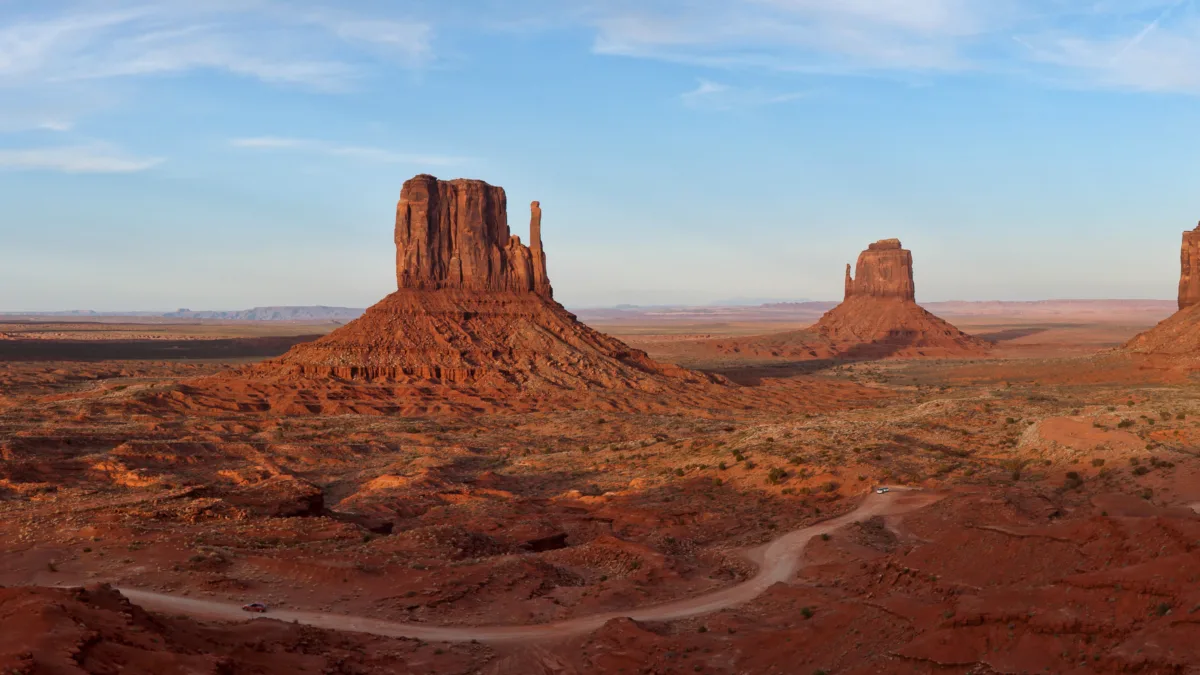
Monument Valley is where the route becomes almost mythic. The US 163 approach is one of the most recognisable road scenes in America, but the landscape is also part of the Navajo Nation. That matters. This is not simply an empty backdrop; it is living cultural land.
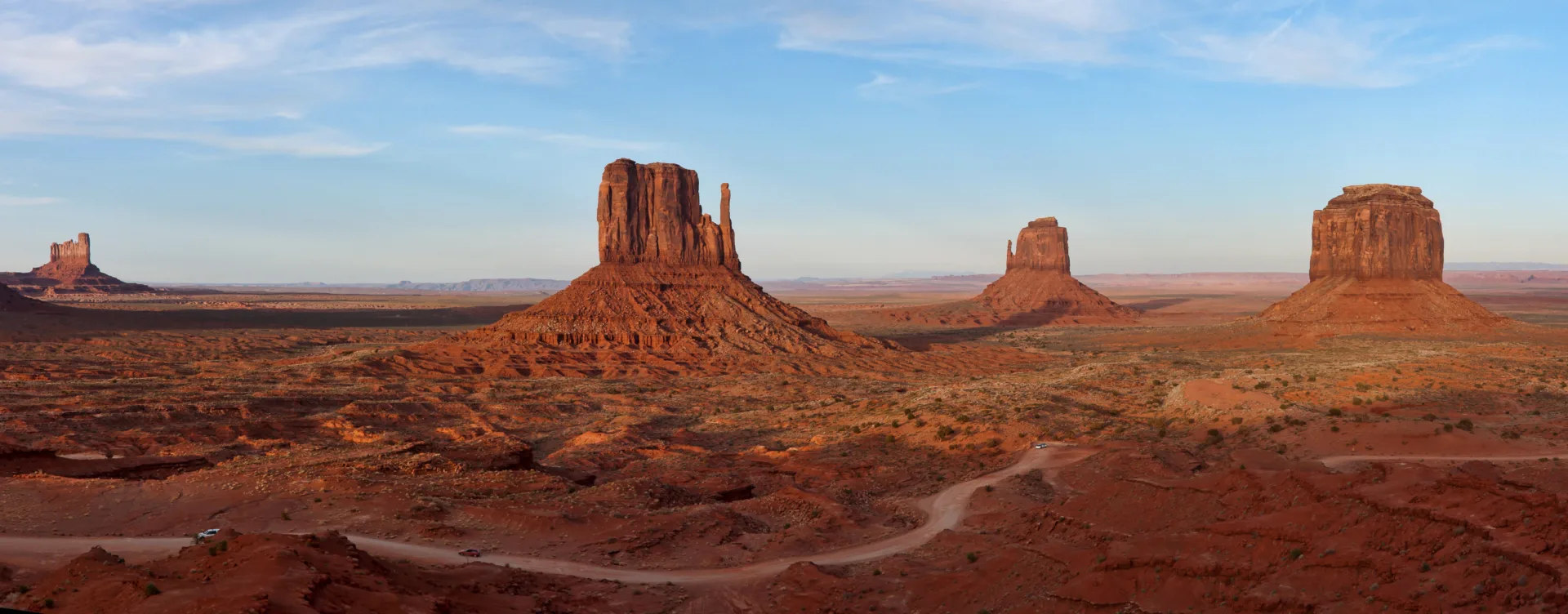
Stay at least one night in or near the valley if your schedule allows. The difference between arriving at midday with tour traffic and seeing the landscape in quieter hours is enormous. Guided Navajo tours can also add context and access to areas that self-drive visitors do not see.
Forrest Gump Point, north of the main valley, is a famous photo stop on US 163. Use the roadside pull-outs and stay off the live carriageway. The image is not worth standing in the middle of a highway.
Bryce and Zion: build in altitude, weather and shuttle time
Bryce Canyon is compact enough for a focused day, but it deserves an overnight stay if you want to walk among the hoodoos rather than view them only from above. The 2026 shuttle operates seasonally from April into October and is included with park admission.
Zion is a different experience: narrower, greener and more vertical. The Zion Canyon shuttle is central to most visits during operating periods. In 2026 service resumed on March 7, with different seasonal schedules through the year. No separate shuttle ticket or reservation is needed, though park admission is still required.
Popular hikes need more preparation than social media suggests. Angels Landing requires a permit, and conditions in The Narrows can change quickly with water levels and weather. Always check the park’s current trail information before committing a day.
Las Vegas: one deliberate dose of excess
Las Vegas works brilliantly in this itinerary because it is the exact opposite of everything around it. After sandstone, dark skies and small desert towns, the Strip feels almost unreal. One or two nights is enough for most road trips.

Do not underestimate walking distances. Resorts are huge, pedestrian crossings are indirect and a hotel that looks next door may involve a long route through bridges, casinos and shopping galleries. It is usually easier to park the car and explore the central Strip on foot or by rideshare.
Compare the final hotel price, not the headline rate. Resort fees, parking and taxes can materially change the cost. Vegas can be affordable or very expensive depending on dates, conventions and major events.
Death Valley is optional — and sometimes it should stay that way
Death Valley is visually extraordinary, but it should never be included simply because the map places it between Las Vegas and California. Extreme heat can make summer visits dangerous, and long walks are inappropriate in severe conditions. In hotter months, follow National Park Service guidance and keep the day short.
The onward route to Yosemite also depends on Sierra Nevada road openings. High passes close in winter and may remain inaccessible into spring. Build the itinerary around current road status, not a routing app that assumes every mountain road is open.
Yosemite: give the valley two nights
Yosemite is one of the few places on this journey where arriving later than expected feels particularly wasteful. Tunnel View gives the classic first panorama — El Capitan, Bridalveil Fall and Half Dome in one frame — but the park becomes much more rewarding once you leave the viewpoint and spend time on the valley floor.
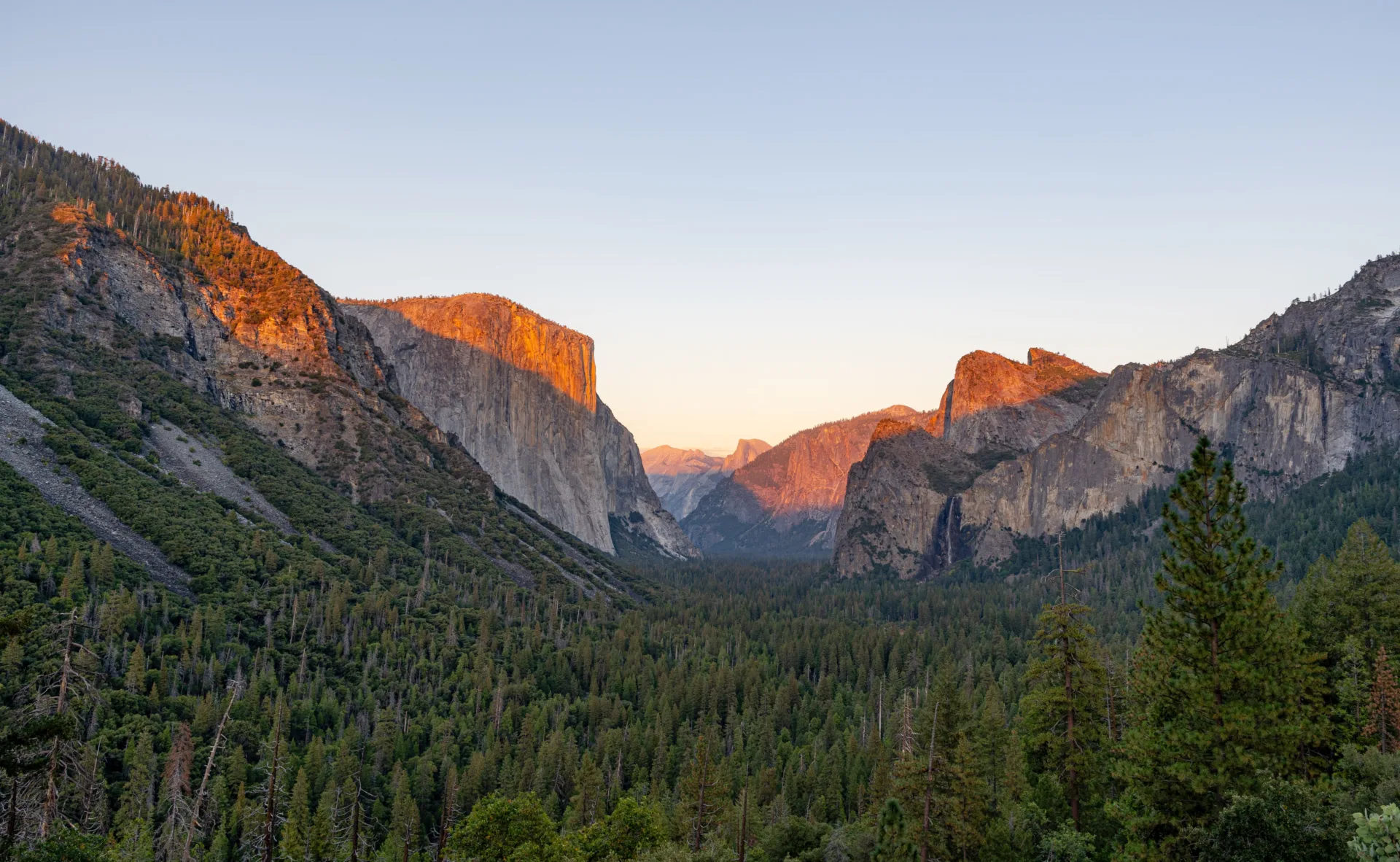
For 2026, Yosemite does not require a vehicle reservation to enter the park. Accommodation and campgrounds remain highly competitive, however, and specific activities still require permits. Sleeping overnight in a vehicle is only allowed in a registered campsite.
Spring usually brings stronger waterfalls but uncertain high-elevation road access. Summer offers broader access but heavier crowds. September and early October are often a strong compromise, although waterfall volume may be lower.
San Francisco: finish the trip without the car
San Francisco is the ideal final stop because you can return the rental car and switch to walking, public transport and ferries. Three nights is enough for a strong first impression: Embarcadero and the Ferry Building, North Beach, Chinatown, Mission, the hills, cable cars and one full bay-focused day.
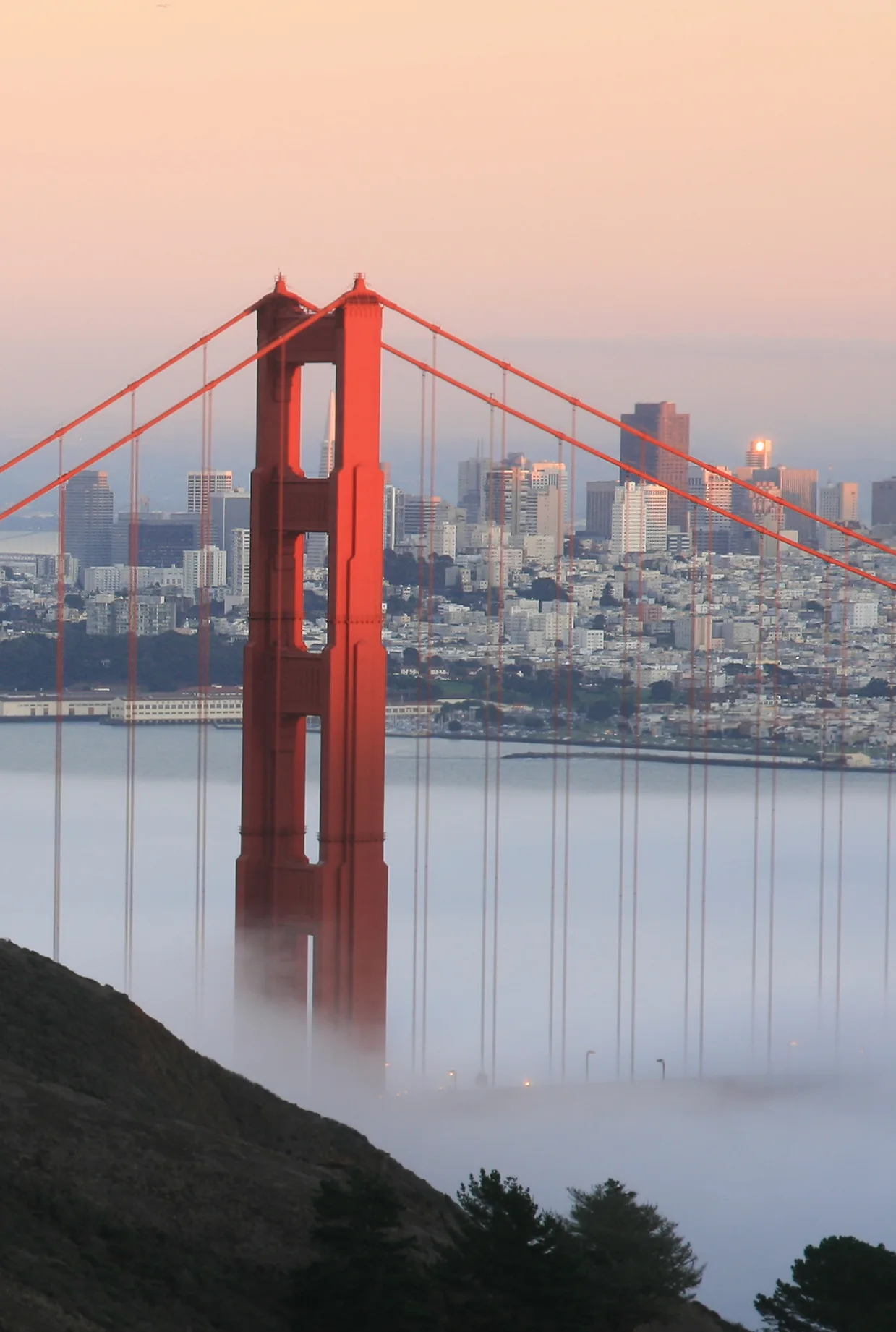
The Golden Gate Bridge is only one part of the panorama. The city becomes more compelling when the bridge, Alcatraz, the skyline and the wider bay are seen together. If Alcatraz is important to you, book through the official concessionaire well ahead of peak dates.
How long should you spend?
Three weeks is the best balance for a first trip. A practical outline is: three nights Los Angeles; one Calico/Barstow or Kingman night; one dedicated Route 66 night; two Grand Canyon nights; one Monument Valley night; one Bryce night; two Zion nights; two Las Vegas nights; one Sierra transition night; two Yosemite nights; three San Francisco nights, with one flexible buffer night.
With 14 days, remove entire sections rather than shaving every stop. With 25 to 28 days, add Sedona, Page, Sequoia & Kings Canyon, Monterey or Big Sur, depending on seasonal road conditions.
Car rental, driving and fuel
A standard car is sufficient for most couples. An intermediate SUV can be more comfortable for four adults with luggage, but it is not necessary for normal paved roads. Do not assume an SUV means off-road permission: rental contracts often prohibit unpaved driving regardless of vehicle type.
Foreign-licence rules vary by state and rental company. USAGov advises visitors to check whether an International Driving Permit is required for the states they will visit and to carry the original licence issued by their home country. Travellers from the UK, Ireland, Australia and other left-driving countries should also allow time to adjust to right-hand traffic, especially after a long-haul flight.
In the desert, fuel discipline matters. Fill up before remote sections, download offline maps and carry water. Mobile coverage is not guaranteed between major towns.
For overseas visitors, it is worth treating arrival day as part of the itinerary rather than dead time. A long-haul flight followed immediately by a four-hour desert drive is a poor start to a road trip. Pick up the car, settle into Los Angeles and leave the city after a proper night’s sleep. If you are travelling with children or older relatives, plan a two-night base every few days instead of changing hotels every evening.
A small cooler is one of the most useful purchases on the trip. Supermarkets in Los Angeles, Las Vegas and larger Arizona towns make it easy to stock water, fruit and breakfast food before entering park country, where choice narrows and prices rise. This also gives travellers with dietary requirements more control than relying on whatever is available beside the next highway exit.
What should the trip cost?
For two adults, excluding long-haul flights, a comfortable three-week road trip typically needs a working budget of around $5,500 to $9,000. That covers mid-range accommodation, a standard car or compact SUV, fuel, meals, park access and some paid attractions. Premium hotels in Yosemite, Las Vegas or San Francisco can push the figure much higher.
The hidden costs are predictable once you know where to look: one-way rental fees, urban parking, resort fees, taxes added at checkout and the new national-park pricing structure for non-U.S. residents.
Remember that displayed prices in the United States often exclude sales tax, and tipping remains part of the service economy. Restaurant meals, rideshares, valet parking and some hotel services can therefore cost more than the menu or booking screen first suggests. A realistic daily budget should include a margin rather than being built only from prepaid reservations.
Families should also check room occupancy rules carefully. Two queen beds can be good value for four people, but rooms near national parks sell quickly and premium locations may charge significantly more for the same basic standard. Booking the scarce park nights first, then building the city stays around them, is usually smarter than booking chronologically.
Entry rules and travel documents
Entry requirements depend on nationality. Citizens of Visa Waiver Program countries — including the UK, Ireland, France, Germany, many other European countries, Australia, New Zealand, Japan, South Korea and Qatar — may be able to travel for tourism for up to 90 days without a visa if they meet all VWP conditions and hold an approved ESTA before travel. Previous travel history or dual nationality can affect eligibility.
Travellers who are not eligible for the Visa Waiver Program should check the appropriate visitor visa requirements with the U.S. Department of State. Do not rely on a commercial ESTA or visa intermediary when official government information is available.
Strong medical and roadside coverage is sensible. U.S. healthcare costs can be high, and rental-car insurance terms vary considerably between markets and credit cards.
Keep digital copies of your passport, insurance, car-rental agreement and key bookings somewhere separate from your main phone. Download airline, rental and offline mapping apps before leaving the city. In remote sections of Utah and Arizona, a paper note with the next hotel address and emergency numbers is still useful when reception disappears.
Best time to go
May to June and September to October usually offer the best overall balance. The deserts are generally less punishing than midsummer, while high-elevation parks are more likely to be accessible than in winter or early spring.
July and August can work for families tied to school holidays, but expect heavier crowds, higher hotel rates and potentially extreme heat in the Mojave and lower desert areas. Winter can be beautiful at Grand Canyon and Bryce, but it turns this into a very different trip and removes some Sierra crossings from the equation.
The AeroSillage take
The West is best when you stop trying to “complete” it. A great road trip leaves enough space for a detour, a late start after sunrise, an extra hour at a viewpoint or a meal in a town you had never heard of before that day. The iconic places matter, but the journey works because the transitions between them are equally memorable.
In 2026, Route 66’s centennial adds a once-in-a-generation layer to the itinerary, while the new nonresident park fees make advance planning more important than before. Buy the right pass, book the scarce nights first, leave buffer time for road conditions — and let the rest of the route breathe.
Sources and verification
National Park Service: Route 66 Centennial, Grand Canyon, Bryce Canyon, Zion, Yosemite and 2026 nonresident entrance fees; U.S. Department of State: Visa Waiver Program and ESTA; USAGov: driving in the United States as a non-citizen; San Bernardino County Parks: Calico Ghost Town. Information checked on October 7, 2026. Road access, permits, shuttle schedules, fees and entry requirements can change; verify official sources before departure.