Sardinia is easy to mistake for a beach-only island. It is better than that. Alghero gives you a walkable historic city with sea-facing ramparts, La Pelosa delivers the translucent water people fly for, the north is carved into granite coves, the east coast feels wilder, and Cagliari adds a proper city break at the southern end. The best first trip is not a frantic lap of the island. It is a seven to ten day holiday built around one or two regions.
For English-speaking travellers, the smartest starting point is often to choose the airport first and the hotel second. Alghero, Olbia and Cagliari serve very different parts of the island, and the 2026 network makes all three realistic gateways from the UK and wider Europe.
Why Sardinia is more than a Mediterranean beach break
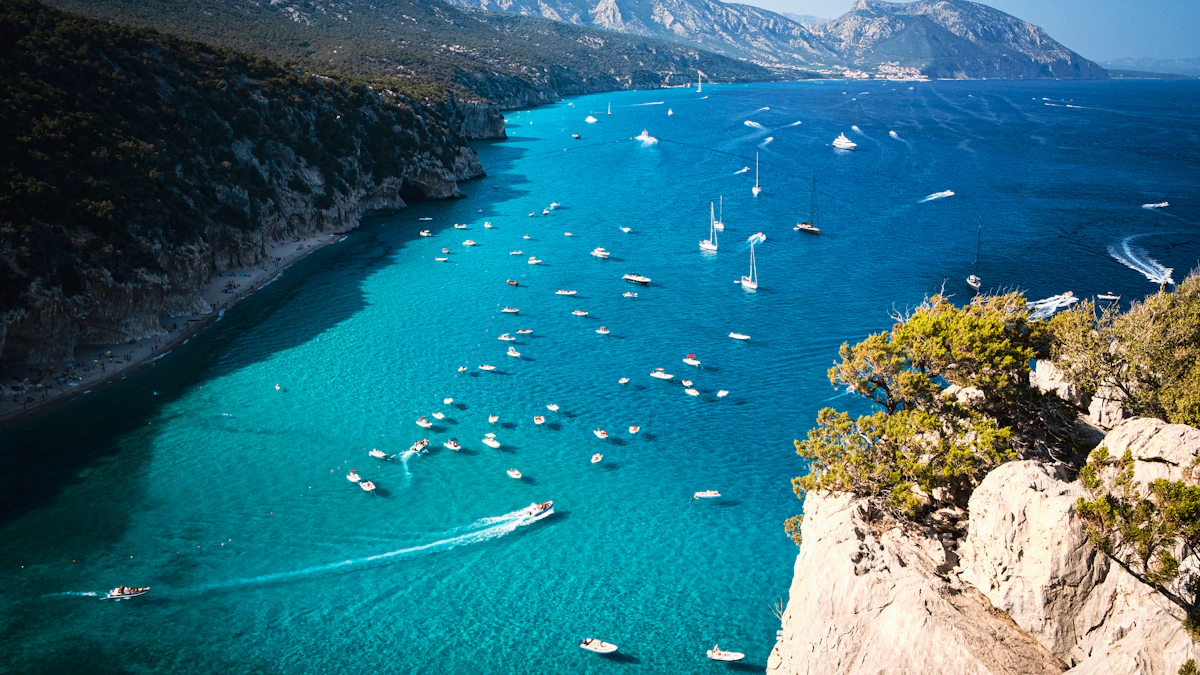
Sardinia works because the scenery keeps changing. The north-west around Alghero and Stintino combines an old town, beaches and limestone cliffs. The Gallura and Costa Smeralda area is polished, expensive and visually spectacular. The east coast is more dramatic and road-trip friendly. Cagliari mixes history, food and the long Poetto beach.
That variety also explains why the island feels bigger than expected. Distances on a map can look modest, but a good Sardinia holiday includes slow coastal roads, swimming stops and lunches that last longer than planned. Trying to cover everything in four days usually misses the point.
Alghero: where Sardinia’s old town meets the sea
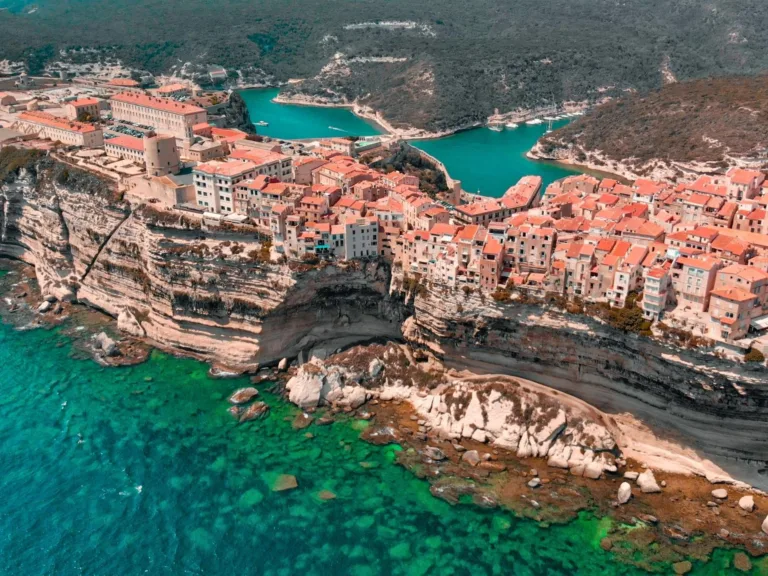
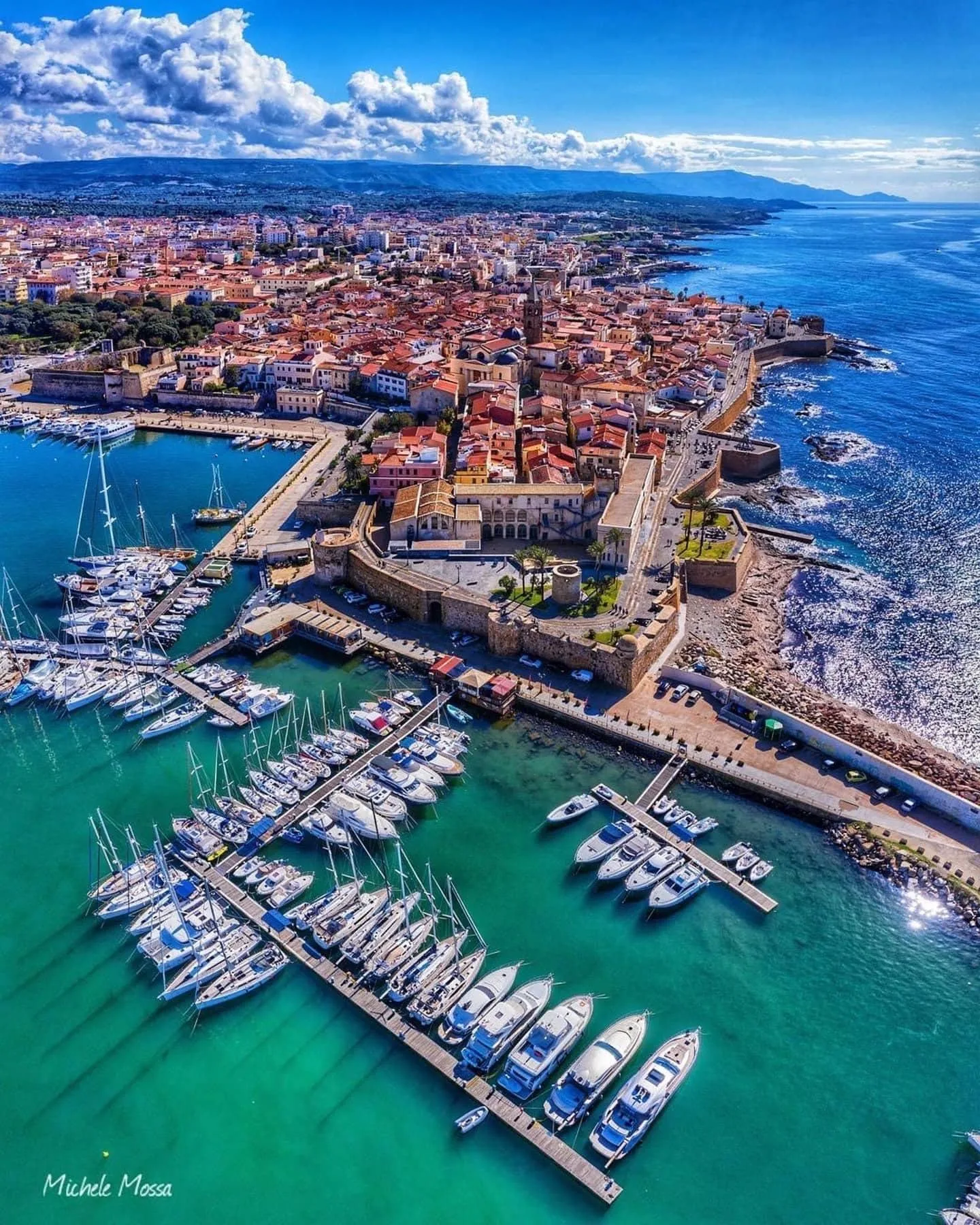
If one place had to convince a first-time visitor to book Sardinia, Alghero would be an unusually strong choice. It feels like a real town rather than a resort: a compact historic centre, Catalan traces, sea walls made for sunset walks, restaurants you can reach on foot and beaches close enough for an easy split between sightseeing and swimming.
The evening is the moment that makes the case. Walk the ramparts as the light softens over the Mediterranean, stay in the old town for dinner and you get something many island resorts cannot offer: a genuinely atmospheric city after the beach day ends.
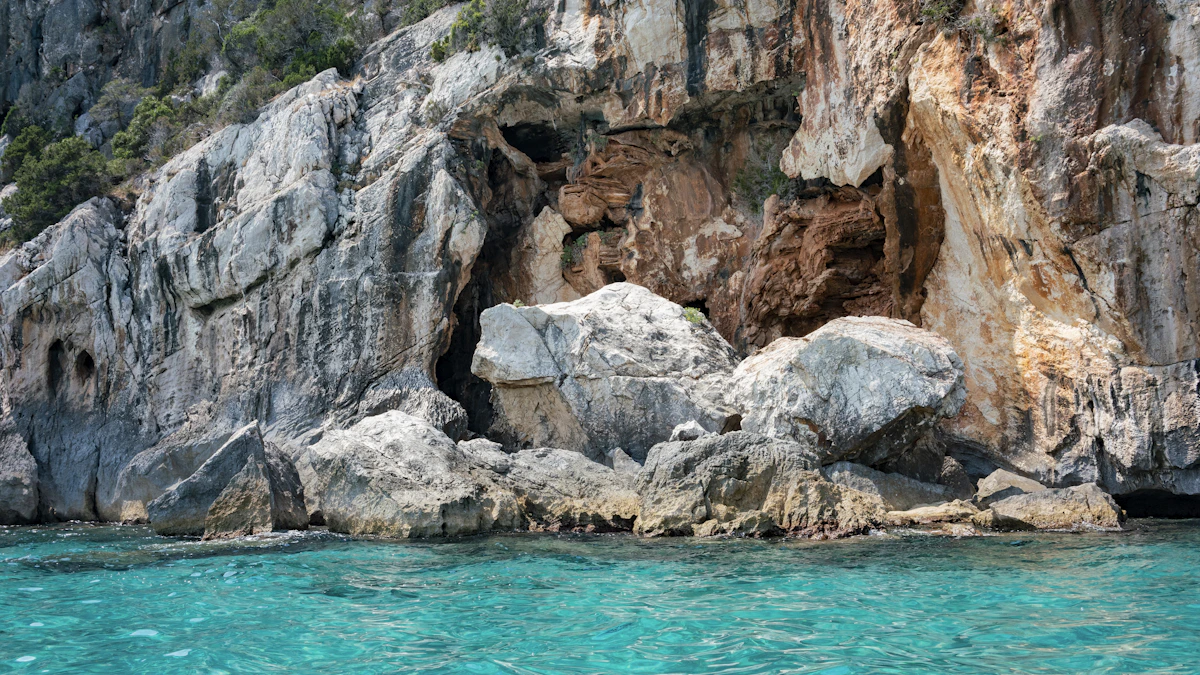
Alghero also works brilliantly as a base. Stintino and La Pelosa lie to the north. Capo Caccia and the protected Porto Conte landscape sit nearby. Neptune’s Grotto can be reached by sea from Alghero or via the famous cliff staircase with more than 650 steps. The official Italian tourism portal describes the cave as one of the natural highlights of north-west Sardinia, with underground halls, stalactites and the saltwater Lake Lamarmora.
Air access is another reason to take Alghero seriously. Its 2026 summer network included London Stansted, Dublin and Cork, alongside Paris, Brussels and a broad Italian domestic network. For UK or Irish travellers planning to stay in the north-west, flying straight into Alghero is far more efficient than landing at the opposite end of the island.
La Pelosa, Capo Testa and the northern coast
La Pelosa, near Stintino, is one of Sardinia’s most recognisable beaches. The official Italian tourism portal highlights its pale sand, shallow turquoise water and natural protection from stronger seas. It is also extremely popular, so summer visitors should check access rules, parking and reservation requirements before setting off.
Further north-east, Capo Testa replaces soft sand with wind-shaped granite and clear coves. It is a strong stop before moving into Gallura and the Costa Smeralda region.
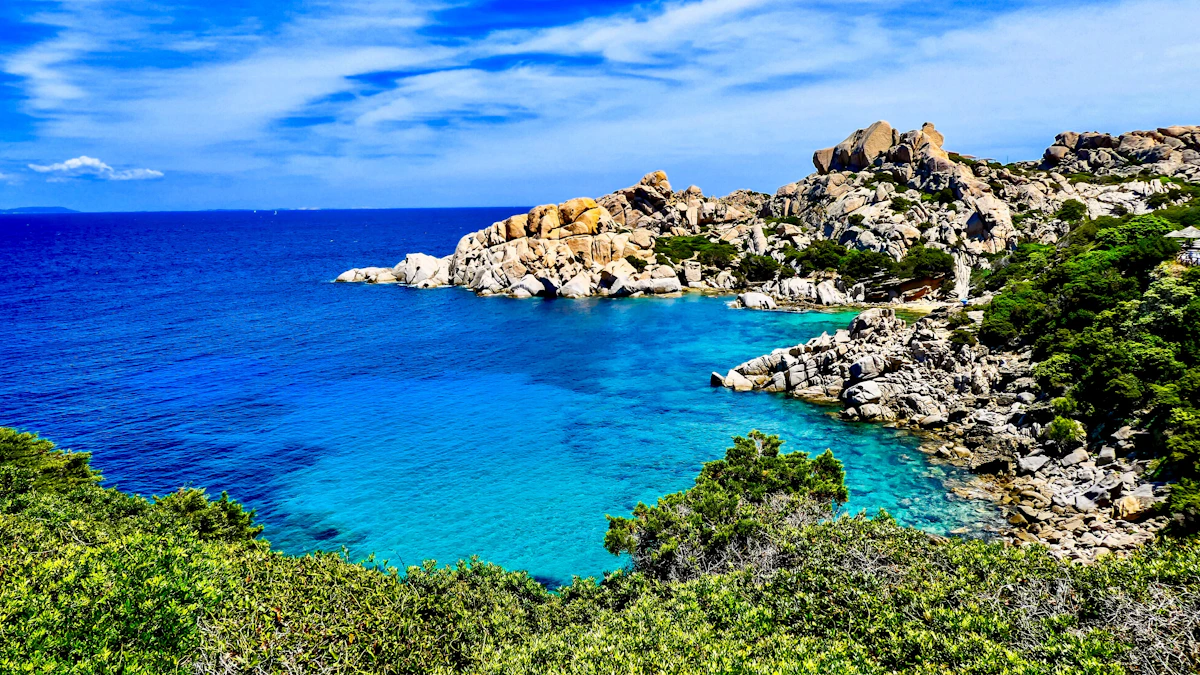
The Costa Smeralda deserves a day even if you do not want a luxury holiday. Porto Cervo is only part of the story. The coves, low granite headlands and bright water are the real reason to explore the area. Staying elsewhere and visiting for the day is a sensible way to control costs.
Which Sardinia airport should you choose?
Alghero (AHO) is best for Alghero, Stintino and the north-west. Olbia (OLB) is the obvious gateway for Costa Smeralda, La Maddalena, San Teodoro and the north-east. Cagliari (CAG) makes sense for the capital, Villasimius and the south.
Olbia had an especially wide 2026 network, including London Heathrow, Gatwick and Stansted as well as Dublin and many European cities. British Airways, easyJet and Jet2 all appeared in the airport’s summer operation. For travellers from the United States, Olbia’s summer schedule also included a New York JFK service, making the north-east unusually accessible for a Mediterranean island. Canadian travellers will more often connect through London, Rome, Milan, Paris or another major European hub.
A car is the right choice for most first trips. The exception is a short stay based entirely in Cagliari or Alghero with organised day tours. For a proper beach-and-road-trip holiday, the flexibility is worth it.
When to go, where to stay and how much time to allow
June and September are the strongest all-round months for many travellers: beach weather, long days and generally less pressure than peak August. July and August deliver the fullest summer atmosphere but also the highest prices and the greatest demand for famous beaches and rental cars.
For seven nights, the cleanest first itinerary is four nights in Alghero and three around Olbia or San Teodoro. For ten nights, add two or three nights around Cagliari or spend longer on the east coast rather than racing across the whole island.
Budget swings are large. Sardinia can feel reasonable outside peak season, but Costa Smeralda hotels, beachfront stays and automatic rental cars become expensive quickly in July and August. Booking accommodation and the car early often matters more than shaving a small amount off the airfare.
Cagliari gives the trip a different ending
Cagliari is often treated as an airport, which undersells it. The capital has a hilltop historic core, excellent food, lagoon landscapes with flamingos and the long Poetto beach. It is one of the easiest places on the island to combine city life and the sea without getting back in the car every hour.
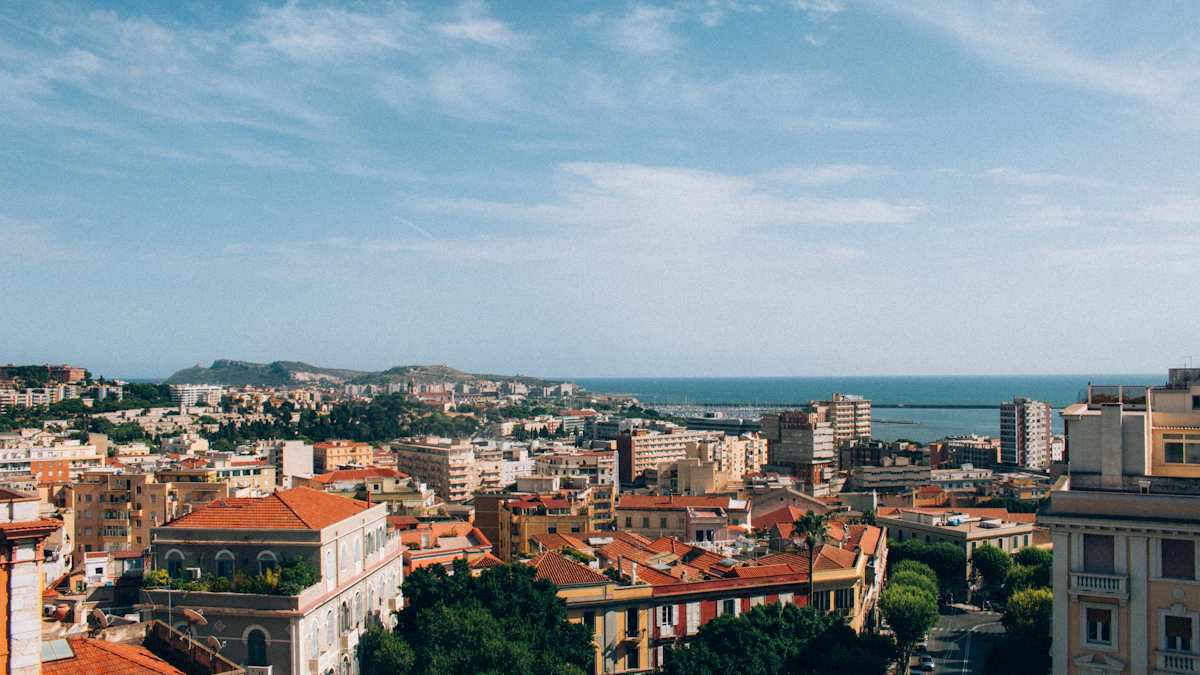
East of Cagliari, Villasimius and Capo Carbonara offer beaches and coves that can anchor an entire southern holiday. Families who dislike changing hotels may prefer this approach: one base, city access and several excellent beach days within reach.
Who should choose Sardinia?
Couples should look closely at Alghero, where the old town and sunset atmosphere give the evenings as much character as the beaches. Families are better off choosing one region and avoiding an over-ambitious island circuit. Solo travellers will get the most from Sardinia if they enjoy driving, photography, small towns and beach days rather than relying on nightlife alone.
For airfare timing, see AeroSillage’s guide on when to book flights to really pay less.
The AeroSillage choice
For a first Sardinia holiday, we would start with four nights in Alghero. Give one day to La Pelosa, one to Capo Caccia and Porto Conte, and keep one evening free simply to walk the sea walls and eat in the old town. Then move east for three nights around Olbia or San Teodoro.
The island’s strongest sales pitch is not just turquoise water. It is the ability to swim in it during the afternoon and still finish the day somewhere that feels like a real Mediterranean town. Alghero captures that balance better than anywhere else on the island.
Sources
Italia.it, Neptune’s Grotto; Italia.it, Stintino and La Pelosa; Italia.it, Costa Smeralda; Italia.it, Cagliari; Alghero Airport network; Olbia Airport; Cagliari Airport. Checked in October 2026. Airline schedules remain subject to change.
Photo credits: Anthony Roberts, Lindita L, Massimo Virgilio and James Butterly / Unsplash.